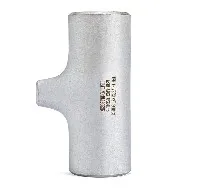
Installing stainless steel reducers in a complex pipeline network requires a combination of technical knowledge, careful planning, and precise execution. As a trusted supplier of stainless steel reducers, I understand the challenges and intricacies involved in this process. In this blog post, I will share some valuable insights and practical tips on how to install stainless steel reducers effectively in a complex pipeline network.


Understanding the Basics of Stainless Steel Reducers
Before diving into the installation process, it's essential to have a clear understanding of what stainless steel reducers are and their role in a pipeline system. Stainless steel reducers are pipe fittings used to connect two pipes of different diameters. They come in various types, including concentric and eccentric reducers, each designed for specific applications.
Concentric reducers have a centered bore, which allows for a smooth flow of fluid or gas through the pipeline. They are commonly used in applications where a straight and uniform flow is required. On the other hand, eccentric reducers have an offset bore, which is useful for preventing the accumulation of sediment or air pockets in the pipeline. They are often used in applications where the fluid or gas contains solids or where a change in elevation is necessary.
Planning the Installation
Proper planning is crucial for a successful installation of stainless steel reducers in a complex pipeline network. Here are some key steps to consider:
1. Review the Pipeline Design
Carefully review the pipeline design to determine the exact location and type of reducers required. Consider factors such as the flow rate, pressure, temperature, and the type of fluid or gas being transported. Ensure that the reducers are compatible with the existing pipeline materials and specifications.
2. Measure and Mark the Installation Points
Accurately measure and mark the installation points for the reducers on the pipeline. Use a measuring tape, level, and marking tool to ensure precise placement. Pay attention to the alignment and orientation of the reducers to ensure proper flow and connection.
3. Gather the Necessary Tools and Materials
Collect all the tools and materials required for the installation, including wrenches, pipe cutters, welding equipment (if necessary), and sealing materials. Make sure the tools are in good working condition and the materials are of high quality.
4. Prepare the Pipeline
Clean the ends of the pipes where the reducers will be installed to remove any dirt, debris, or rust. Use a wire brush or sandpaper to ensure a smooth and clean surface. If welding is required, prepare the pipes for welding by beveling the edges.
Installation Process
Once the planning is complete, it's time to start the installation process. Here are the general steps for installing stainless steel reducers:
1. Connect the Reducers to the Pipes
Align the reducer with the pipe and insert it into the end of the pipe. Use a wrench to tighten the connection, ensuring a secure fit. If welding is required, follow the appropriate welding procedures to join the reducer to the pipe. Make sure the weld is strong and leak-free.
2. Check the Alignment and Orientation
After connecting the reducers, check the alignment and orientation to ensure that the flow is smooth and unobstructed. Use a level and a straightedge to verify that the reducers are properly aligned. Make any necessary adjustments before proceeding.
3. Seal the Connections
Apply a suitable sealing material, such as Teflon tape or pipe joint compound, to the threads or joints of the reducers to prevent leaks. Make sure the sealing material is evenly applied and covers the entire surface.
4. Test the System
Once the installation is complete, test the pipeline system to ensure that it is functioning properly. Pressurize the system and check for any leaks or abnormalities. If any issues are detected, immediately shut down the system and make the necessary repairs.
Troubleshooting and Maintenance
Even with proper installation, issues may arise during the operation of the pipeline system. Here are some common problems and their solutions:
1. Leaks
If a leak is detected, first check the connections and seals. Tighten any loose connections or replace the sealing material if necessary. If the leak persists, it may be due to a damaged reducer or pipe. In this case, the damaged component should be replaced.
2. Flow Restrictions
If there is a flow restriction in the pipeline, check for any blockages or obstructions. Remove any debris or sediment that may be causing the restriction. If the problem persists, it may be due to a misaligned or damaged reducer. In this case, the reducer should be realigned or replaced.
3. Corrosion
Stainless steel is highly resistant to corrosion, but it can still be affected by certain environmental factors. If corrosion is detected, clean the affected area and apply a corrosion-resistant coating. If the corrosion is severe, the affected component may need to be replaced.
Regular maintenance is essential to ensure the long-term performance and reliability of the pipeline system. Inspect the reducers and the pipeline regularly for any signs of wear, damage, or corrosion. Replace any worn or damaged components promptly to prevent further problems.
Conclusion
Installing stainless steel reducers in a complex pipeline network requires careful planning, precise execution, and regular maintenance. By following the steps outlined in this blog post, you can ensure a successful installation and a reliable pipeline system. As a supplier of high-quality stainless steel reducers, I am committed to providing you with the best products and support. If you have any questions or need assistance with your pipeline installation, please feel free to contact me. I look forward to helping you with your next project.
References
- ASME B31.3 - Process Piping Code
- ASTM A403 - Standard Specification for Wrought Austenitic Stainless Steel Piping Fittings
- MSS SP-43 - Wrought and Fabricated Butt-Welding Fittings
In addition to stainless steel reducers, we also offer a wide range of other stainless steel pipe fittings, such as 316 Stainless Steel Pipe Tee, Stainless Steel Tee, and Stainless Steel Reducer Tee. If you are interested in purchasing these products or have any other inquiries, please don't hesitate to contact us for further discussion and negotiation. We are dedicated to providing you with the best solutions for your pipeline needs.