


Stainless Steel Flange
Your Professional Stainless Steel Flange Supplier!
Zhejiang Mingli Pipe Industry Co., Ltd. was established in 1994 and has more than 30 years of experience in the production and processing of stainless steel pipes,it is a leading domestic professional supplier of stainless steel pipes and fittings.
Large Production Scale
Our factory covers an area of 10,000+㎡, with 60+ production equipment, 70+ sets of supporting molds, 800+ tons of standing inventory in the factory, and an annual production capacity of 5,000+ tons.
Various Production Standards
Our company's pipe products are produced in accordance with American standards ASTM A733/A865, German standards DIN2982/DIN2986, British standards BS EN10241, and Japanese standards JISB2302.
Sold Overseas
Our products are exported to Israel, Germany, Italy, South Korea, the United States, the Middle East, Canada, France and other countries, and are well received by customers.
Quick Response
We promise to respond to your inquiries within 24 hours to ensure that you receive the information and support you need in a timely manner.


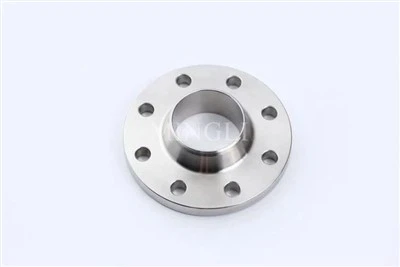
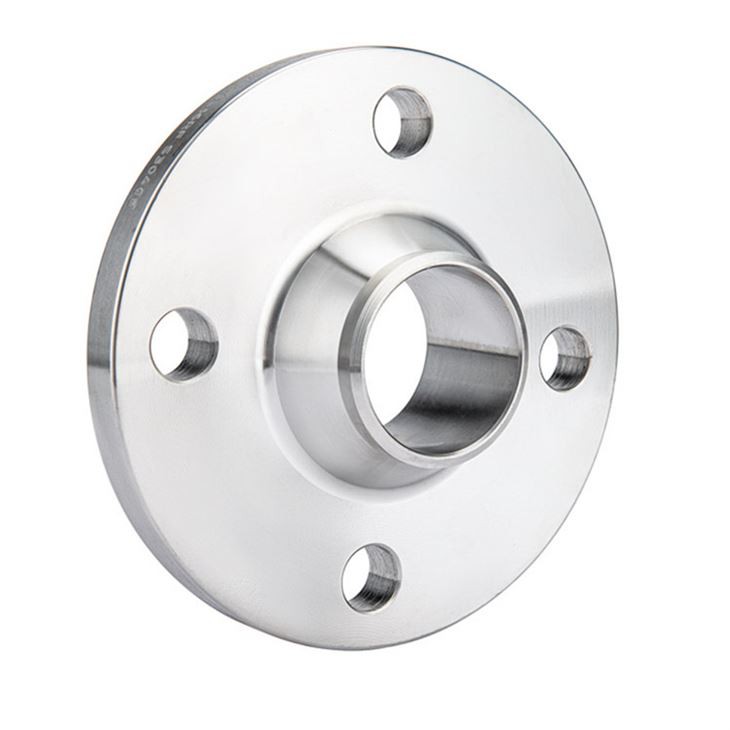


Features of Stainless Steel Flange
High Corrosion Resistance
Stainless steel flanges have high corrosion resistance and can resist various corrosive media such as strong acids and strong alkalis.
01
High Strength
Stainless steel flanges have high strength and can withstand high pressure and high temperature.
02
Easy to Clean
Stainless steel flanges have a smooth surface and are easy to clean and maintain.
03
High Temperature Resistance
Stainless steel flanges are able to work at high temperatures and have good hot rolling properties.
04
Low Reactivity
Stainless steel flanges have low reactivity and will not chemically react to the working medium.
05
Connection Method of Stainless Steel Flange
Threaded Connection
The flanges are fixed together by threaded fitting, which is suitable for low-pressure pipeline systems.

Clamping Connection
The flanges are fastened together using a clamp, which is often used in detachable pipeline systems for easy maintenance and replacement.
Welded Connection
Stainless steel flanges are connected to pipelines by welding, which is suitable for high-pressure or high-temperature working conditions. After welding, inspection is generally required to ensure the welding quality.


Flat Connection
Put two flat flanges close together and seal them with gaskets, which is common in liquid and gas transportation.
Flange Connection
Connect through the flange part of the flange. This method is suitable for large-diameter pipelines and can effectively withstand greater pressure.

Oval flange Connection
This flange is usually used for special processes or requirements and should be selected based on the specific design.
Oil and Gas Industry
Stainless steel flanges are commonly used in oil and gas delivery systems, and can withstand high temperature and high pressure environments to prevent leakage.
Chemical Industry
During the transportation of chemicals, stainless steel flanges can resist corrosion and adapt to various chemicals.
Paper and Textile Industry
These industries use stainless steel flanges to connect pipes and equipment to withstand the high temperature and pressure in the production process.
Building And Construction
In construction projects, flanges are used to connect pipes, structural parts, etc.
Food And Beverage Industry
Due to hygiene requirements, stainless steel flanges are widely used in food and beverage processing and delivery systems to ensure that the product is not contaminated.
Water Treatment Equipment
Stainless steel flanges are used to connect different components in water treatment systems and have good sealing performance and durability.
Pharmaceutical Industry
In the pharmaceutical industry, stainless steel flanges can prevent contamination while meeting strict hygiene standards.

Customization of Stainless Steel Flange
Cutting
Cut the prepared stainless steel sheet into the required flange shape, usually round.
Punching
Punch holes around the flange, and the hole diameter and hole spacing are designed according to industry standards or customer requirements to facilitate connection with pipes or other equipment.
Surface Treatment
Grind and polish the flange to remove burrs and oxide layers, and improve its appearance and corrosion resistance.
Inspection
Inspect the size and appearance of the flange to ensure that it meets the design requirements, and perform non-destructive testing (such as ultrasonic testing or magnetic particle testing, etc.) if necessary.
Packaging and Transportation
Qualified flanges need to be properly packaged to prevent damage during transportation and ensure that they are in the best condition when delivered to customers.
Material Preparation
Choose the appropriate stainless steel material (such as 304, 316, etc.) according to the specific application requirements and working environment.
Welding
In some cases, the flange needs to be connected to other parts by welding. Before welding, the welding surface needs to be treated to ensure cleanliness and symmetry.
Forming
Use a punch or die to form the cut plate to obtain the required thickness and shape. Sometimes heat treatment is required to improve the strength of the flange.
Installation of Stainless Steel Flange
Preparation
Confirm the installation location and environment to ensure that the stainless steel reducer is suitable for use. Check the required materials and tools, including reducers, welding machines, wrenches, sealing materials, etc.
Marking Location
Determine the installation location of the reducer and mark it according to the pipeline design drawings.
Cutting the Pipe
If necessary, cut the pipe to the appropriate length and ensure that the cut surface is smooth and flat.
Welding or Threaded Connection
For welding connections, weld according to the welding process to ensure that the weld is symmetrical and firm. For threaded connections, use suitable sealing materials, such as raw tape, to avoid water or air leakage.

Protection and Maintenance
After installation, stainless steel pipes should be properly protected to avoid secondary damage. Regularly check the use of reducers and do a good job of maintenance.
Inspection and Testing
Perform a pressure test after installation to check for water leaks or other problems. Ensure that all connections are firm and the device is normal.
Connecting the Reducer
Butt the reducer with other pipes to ensure the correct installation position. If it is a welding method, ensure that the welding surface fits tightly.
Cleaning the Surface
Use sandpaper or a strong cleaning agent to clean the connection surface of the pipe to ensure that there are no impurities such as oil, rust, etc. to improve the welding quality.
Certificate


Frequently Asked Questions
As one of the most professional stainless steel flange manufacturers in China, we're featured by quality products and good service. Please rest assured to wholesale customized stainless steel flange made in China here from our factory.
stainless steel lap joint flange, stainless steel 304 flange, stainless steel durable flange