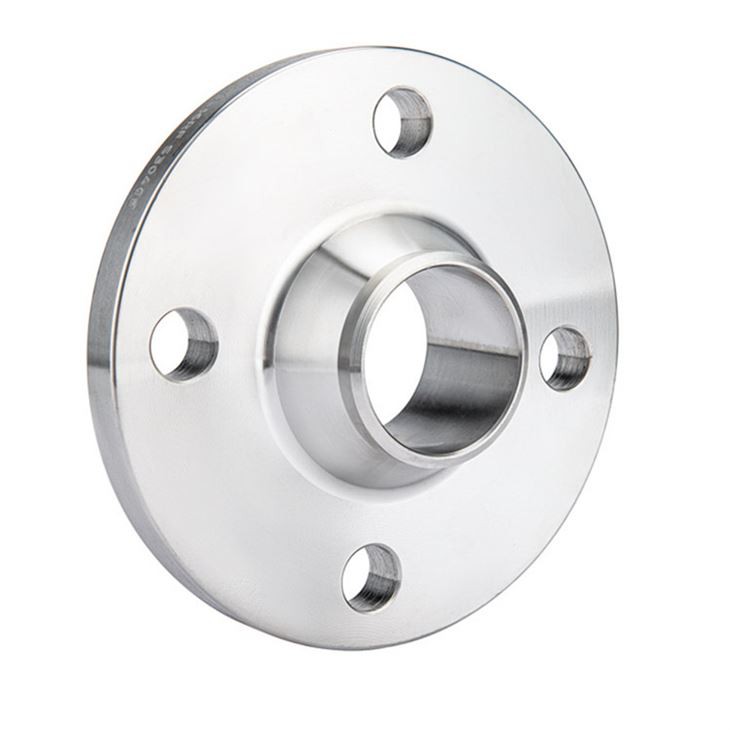
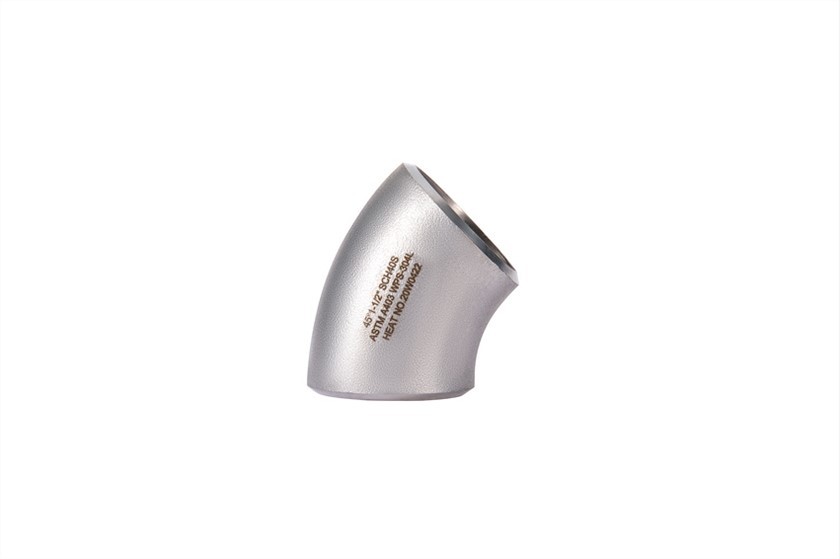
Stainless pipe flanges connect with pipe and fittings to form a piping system that delivers air, water, natural gas, oil, and steam in plumbing applications and food and dairy processing. Flanges provide easy access for cleaning, inspection, and modification.
Benefits of Stainless Pipe Flanges
Corrosion resistance
Liquid and gas flow in oil pipelines will often cause internal corrosion within the piping systems. Corrosion remains a huge concern within the oil and gas industry, as it costs the u.S. Economy approximately $9 billion every year. Stainless steel is highly resistant to corrosion compared to other metals. This makes this material an ideal choice for pipe flanges and fittings.
Versatility
Stainless steel is highly versatile. Different materials such as nickel, molybdenum, or nitrogen can be added to enhance the properties of stainless steel. You can utilize the different standard dimensions and specifications to order stainless pipe flanges for a variety of environments. This allows the pipe flanges to fit a wider range of applications both indoors and outdoors.
Strength
Any system is only as strong as its weakest part. Weld fittings and joints are traditionally weak points for any liquid and gas flow equipment. The addition of titanium and molybdenum increases its tensile strength, reducing the chance of warping or deformation. Alternatives such as aluminum are soft and may not work under high temperatures or pressure.
Temperature and pressure tolerance
Stainless pipe flanges fittings can withstand high pressure and temperatures depending on the metal grade used. Astm a182 flanges can handle extreme temperatures of about 500 to 800 degrees celsius. Astm, api, or ansi classifications may provide an excellent guideline to the right pressure class for your application.
Value
Stainless steel fittings are highly durable. Your pipe flanges may last for decades, supporting liquid and gas flow within your piping system. Stainless steel is a reliable material that is easy to maintain. Its stain and corrosion resistance properties mean that you may not have to replace the industrial long weld neck flanges for years to come.
Sustainability
Stainless pipe flanges fittings have a naturally shiny and elegant finish. You may not have to coat or line the flanges to protect them from corrosion. This actually makes this material a more environmentally responsible choice in the long run. Additionally, this metal is 100% recyclable if you decide to replace your bolts and flanges. Approximately 50% of all stainless steel produced nationally comes from recycled scrap metal, meaning that these flange fittings can help you reduce your overall carbon footprint for a project.
Easy inspection
Pipe flanges linking equipment and valves provide an easy point of access for cleaning and repairs. With stainless steel being rust and corrosion resistant, the flanges provide easy access for inspection, modification, or cleaning. This can allow you to save time and money overall.

Welding Stainless Steel Pipe Flange
Product Introduction A stainless steel pipe flange connection is a removable connection. Two stainless steel pipe flanges that have holes can be bolted together so that they are tightly joined and sealed with gaskets. Depending on the connected parts, stainless steel pipe flanges for containers...

Stainless steel pipe flange connection is a detachable connection.stainless steel pipe flanges with holes can be bolted so that the two stainless steel pipe flanges are tightly connected and sealed with gaskets between the stainless steel pipe flanges.According to the connected parts can be divided into container stainless steel pipe flange and pipe stainless steel pipe flange.
Why Choose Us
Cutting-edge technology
Our team is committed to delivering high-quality services to our clients. We use the latest technologies and tools to ensure that our services exceed your expectations.
Experience and expertise
Our company has been in business for many years and has amassed significant expertise and experience to provide quality services to our clients.
Quality
The company strength is abundant, the heavy credit, keep the contract, guarantee product quality, product variety is complete, the price is reasonable, with many varieties management characteristic and the meager profit but high turnover principle, has won the trust of customers.
Pipeline Systems: Stainless pipe flanges are widely used in pipelines for various industries, including oil and gas, chemical processing, and water treatment. They allow for easy assembly and disassembly of pipe sections, making maintenance and repairs more accessible.
Pressure Vessels: They are used in the construction of pressure vessels, such as boilers and tanks. They ensure a tight seal to contain high-pressure fluids or gases safely.
Petrochemical Industry: In refineries and chemical plants, ss flanges are crucial for connecting pipes, valves, and equipment that handle corrosive and high-temperature materials.
Food and Beverage Industry: They are preferred in the food and beverage industry due to their hygienic properties. They are used in the construction of processing equipment and pipelines.
Shipbuilding: Stainless pipe flanges are used extensively in shipbuilding for their resistance to saltwater corrosion. They connect various components in a ship's piping systems.
Power Generation: Power plants, including nuclear, fossil fuel, and renewable energy facilities, use ss flanges to connect pipes and valves in critical systems.
Aerospace: They are used in aircraft and aerospace applications where high strength and resistance to extreme temperatures are required.
Construction: In construction, ss flanges are used in building HVAC systems, plumbing, and fire protection systems to connect pipes and ensure a secure and leak-free installation.
Wastewater Treatment: Stainless pipe flanges are used in wastewater treatment plants to connect pipes and components in various treatment processes.
Pharmaceutical Industry: Pharmaceutical manufacturing facilities use stainless pipe flanges to connect sanitary piping systems, ensuring the purity and integrity of the products being produced.
Automotive: In the automotive industry, stainless pipe flanges find application in exhaust systems, providing a durable and corrosion-resistant connection between exhaust pipes and components.
Oil and Gas Exploration: Stainless pipe flanges are used in offshore drilling rigs and onshore facilities to connect pipes and valves in the extraction and transportation of oil and gas.
Chemical Processing: Stainless pipe flanges are crucial in chemical processing plants to connect pipes carrying corrosive and hazardous chemicals.
Instrumentation: They are used in instrumentation and control systems to connect various sensors, transmitters, and equipment in industrial processes.
Water Supply and Distribution: Stainless pipe flanges are employed in municipal water supply systems and water treatment plants to connect pipes and control the flow of water.
The Different Types of Stainless Pipe Flanges


Stainless Steel Weld Neck Flanges: SS Weld neck flanges are designed to be butt-welded to pipes and provide a high strength, leak-proof connection. They are commonly used in high-pressure applications, such as oil and gas pipelines, and are preferred where frequent dismantling is not required.
Stainless Steel Slip-On Flanges: SS Slip-on flanges are designed to slip over the end of a pipe and are then welded in place. They are easy to install and are often used in low-pressure applications, such as water and gas pipelines.
Stainless Steel Blind Flanges: SS Blind flanges are designed to be used to close off the end of a pipe or valve. They are commonly used in piping systems that need to be isolated or where maintenance is required.
Stainless Steel Socket Weld Flanges: SS Socket weld flanges are designed to be socket-welded to the end of a pipe. They provide a strong, leak-proof connection and are commonly used in high-pressure applications, such as chemical and petrochemical industries.
Stainless Steel Threaded Flanges: SS Threaded flanges are designed to be screwed onto the end of a pipe. They are commonly used in low-pressure applications, such as water and gas pipelines, and are easy to install and dismantle.
Stainless Steel Lap Joint Flanges: SS Lap joint flanges are designed to be used with a lap joint stub end, which is inserted into the flange. They are commonly used in systems where frequent dismantling is required, such as in the food and beverage industry.
Stainless Steel Orifice Flanges: SS Orifice flanges are designed to be used in systems that require measurement of flow rate. They have a small hole in the center, which can be used to insert an orifice plate, providing an accurate measurement of the flow rate.
Stainless Steel Spectacle Blind Flanges: SS Spectacle blind flanges are designed to be used in systems where isolation or flow diversion is required. They consist of two metal discs, one with a hole and the other without, and can be rotated to allow or block the flow of fluid.
The Role of Stainless Pipe Flanges
Stainless pipe flanges play a pivotal role in connecting pipes, valves, and other equipment, ensuring a secure and leak-free connection. They serve several key functions, including:
Connecting Pipes
Stainless pipe flanges are used to join two pipes or pipe components, creating a strong and reliable connection. This connection is vital for fluid transport, be it in industrial applications, petrochemical plants, or residential plumbing.
Providing Easy Access
Flanges are equipped with bolt holes, allowing for easy installation and maintenance. When maintenance or repairs are needed, flanges make it simpler to disassemble and reassemble the piping system.
Enhancing Strength and Stability
Flanges provide additional support and stability to the piping system, particularly in high-pressure applications. They distribute the load evenly, preventing stress concentration and potential pipe failures.
Sealing and Leak Prevention
The tight sealing offered by flanges is essential for preventing leaks, making them suitable for applications where leakage can be disastrous, such as in the chemical, oil, and gas industries and many more.
Top 5 Tips To Choose the best Stainless Pipe Flanges
Material Grade: The first and most crucial aspect to consider when choosing stainless pipe flanges is the material grade. Stainless steel is available in various grades, each with its own unique properties and characteristics. The most commonly used grades for flanges are 304 and 316 stainless steel. Both of these grades offer excellent corrosion resistance and durability. However, 316 stainless steel is more resistant to chloride-induced corrosion, making it ideal for applications in environments with high chloride levels, such as marine and coastal areas. Consider the specific requirements of your application and choose a flange made from the appropriate material grade for optimal performance.
Flange Type and Standards: There are several types of stainless pipe flanges available, including slip-on, blind, weld neck, socket weld, and threaded flanges. Each type has its own advantages and use cases. It is crucial to identify the flange type that best suits your application and ensure that it complies with relevant industry standards, such as ANSI and ASTM Choosing flanges that meet these standards ensures their quality, reliability, and compatibility with other components, providing a safe and efficient installation.
Size and Pressure Rating: Another important factor to consider when choosing stainless pipe flanges is the size and pressure rating. Flanges come in different sizes, ranging from half-inch to several feet in diameter. It is essential to accurately determine the required size based on the pipe dimensions and application requirements. Additionally, consider the pressure rating, which indicates the maximum pressure the flange can withstand without failure. Choosing the correct size and pressure rating is crucial to ensure a leak-free and efficient system.
End Connection: The end connection of a flange plays a vital role in its installation and performance. The two most common types of end connections are raised face (RF) flanges and flat face (FF) flanges. RF flanges have a raised surface that aligns with the sealing gasket, providing a better sealing arrangement. On the other hand, FF flanges have a flat surface, which is suitable for non-metallic gaskets. Consider the type of gasket and sealing system you will be using and choose the appropriate end connection for optimal sealing and performance.
Quality Assurance and Supplier Reputation: Lastly, when selecting stainless pipe flanges, ensure that you choose a reputable supplier that provides high-quality products. Look for suppliers who have a track record of manufacturing reliable flanges and have comprehensive quality control processes in place. A reliable supplier will also be able to offer technical assistance and guidance in selecting the best flanges for your specific needs.
Our Factory
Zhejiang Mingli Management Co., Ltd. was founded in 1994 with a registered capital of 50 million. We have more than 30 years of experience in production and processing of stainless steel pipelines. The factory area is 10,000+㎡, with 60+ sets of production equipment and 70+ sets of supporting molds. Our factory has a standing inventory of 800+ tons, and the annual production capacity can reach 5,000+ tons. We support OEM/ODM, processing according to the drawings, and also provide surface treatment such as sandblasting, sand rolling, mirror surface etc.


Our Certificates
Get certificate: ISO9001 certification, (TS) special equipment production license, DAS certification


Asked Questions
Hot Tags: stainless pipe flanges, China stainless pipe flanges manufacturers, factory, stainless steel ring type joint flange, stainless steel stud hole flange, stainless steel structural flange, stainless steel pipe flange, stainless steel weld neck flange, stainless steel hvac flange