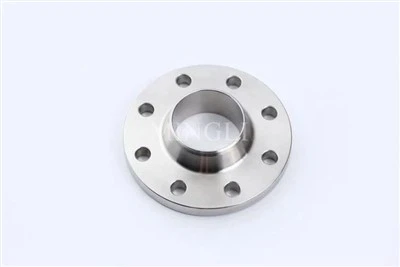
A welding stainless steel pipe flange, or high-hub flange, is a high stress-containing flange with a long and strong neck. They are usually used in severe service applications including high-pressure and high-temperature conditions. The bore of the flanges adjusts the internal bore of the connected pipe.
Benefits of Welding Stainless Steel Pipe Flange
Welding stainless steel pipe flanges are corrosion-resistant
Internal corrosion often occurs in oil pipeline systems due to the liquid and gas flow. It is a concern for the oil and gas industry.
Compared to other common carbon steel options, stainless steel is highly corrosion resistant, making it a top choice for pipe fittings and flanges in this industry when media is a concern.
Welding stainless steel pipe flanges are versatile
Stainless steel is known for its ability to become flexible and can be modified by adding various materials such as nickel, nitrogen, or molybdenum to enhance its properties.
There are standard dimensions and specifications available for ordering welding stainless steel pipe flanges that can be used in various indoor and outdoor environments, making them suitable for a wide range of applications.
Welding stainless steel pipe flanges provide strength to Equipment
The weakest part of any system can affect its overall strength. In the case of liquid and gas flow equipment, the weld fittings and joints are considered vulnerable areas.
To improve their toughness and reduce the risk of warping or distortion, adding titanium or molybdenum is essential. It is not advisable to use alternatives like aluminum, as flange weight cannot withstand high temperatures or pressure.
Welding stainless steel pipe flanges can withstand high temperatures and Pressure
Stainless steel flange fittings can resist high temperatures and pressure that vary according to the grade of metal used. For instance, the proper flange and flange wall thickness in the ASTM A182 category can withstand corrosion, as well as extreme temperatures reaching 500 to 800 degrees Celsius.
To determine the appropriate pressure class for your specific application, guidelines provided by ASTM, API, or ANSI classifications may be useful.
To summarize, welding stainless steel pipe flanges come in various metal grades that provide varying levels of resilience to high temperature and pressure conditions.
Welding stainless steel pipe flanges offer Value
The strong and enduring stainless-steel fittings can keep your piping system functioning for years without replacement. They are reliable and easy to maintain, with resistance to stains and corrosion, making them highly durable.
It ensures that the industrial long weld neck flanges will last for a long time, thus providing support for fluid and gas flow.
Welding stainless steel pipe flanges offer sustainability
Stainless steel flange fittings have a naturally shiny and refined appearance that does not require additional coating or lining for protection against corrosion, making them an environmentally responsible choice.
If you select a substitute for your bolts and flanges, remember that this material can be recyclable. About half of the stainless steel produced domestically is obtainable from recycled material, making these flange fittings an excellent choice for minimizing the environmental impact of a job.
Welding stainless steel pipe flanges allow easy inspection
Pipe flanges are convenient locations for maintenance and cleaning due to their connection to equipment and valves.
Using stainless steel, which is resistant to rust and corrosion, allows for uncomplicated inspections, alterations, and cleaning, thus leading to significant savings in time and money.
When selecting welding stainless steel pipe flanges, it is essential to choose a material that can withstand the demanding nature of the oil and gas industry, making resilient and long-lasting stainless steel an excellent option.

Welding Stainless Steel Pipe Flange
Product Introduction A stainless steel pipe flange connection is a removable connection. Two stainless steel pipe flanges that have holes can be bolted together so that they are tightly joined and sealed with gaskets. Depending on the connected parts, stainless steel pipe flanges for containers...

Stainless steel pipe flange connection is a detachable connection.stainless steel pipe flanges with holes can be bolted so that the two stainless steel pipe flanges are tightly connected and sealed with gaskets between the stainless steel pipe flanges.According to the connected parts can be divided into container stainless steel pipe flange and pipe stainless steel pipe flange.
Why Choose Us
Cutting-edge technology
Our team is committed to delivering high-quality services to our clients. We use the latest technologies and tools to ensure that our services exceed your expectations.
Experience and expertise
Our company has been in business for many years and has amassed significant expertise and experience to provide quality services to our clients.
Quality
The company strength is abundant, the heavy credit, keep the contract, guarantee product quality, product variety is complete, the price is reasonable, with many varieties management characteristic and the meager profit but high turnover principle, has won the trust of customers.
Material Grade: The first and most crucial aspect to consider when choosing welding stainless steel pipe flanges is the material grade. Stainless steel is available in various grades, each with its own unique properties and characteristics. The most commonly used grades for flanges are 304 and 316 stainless steel. Both of these grades offer excellent corrosion resistance and durability. However, 316 stainless steel is more resistant to chloride-induced corrosion, making it ideal for applications in environments with high chloride levels, such as marine and coastal areas. Consider the specific requirements of your application and choose a flange made from the appropriate material grade for optimal performance.
Flange Type and Standards: There are several types of welding stainless steel pipe flanges available, including slip-on, blind, weld neck, socket weld, and threaded flanges. Each type has its own advantages and use cases. It is crucial to identify the flange type that best suits your application and ensure that it complies with relevant industry standards, such as ANSI (American National Standards Institute) and ASTM (American Society for Testing and Materials). Choosing flanges that meet these standards ensures their quality, reliability, and compatibility with other components, providing a safe and efficient installation.
Size and Pressure Rating: Another important factor to consider when choosing welding stainless steel pipe flanges is the size and pressure rating. Flanges come in different sizes, ranging from half-inch to several feet in diameter. It is essential to accurately determine the required size based on the pipe dimensions and application requirements. Additionally, consider the pressure rating, which indicates the maximum pressure the flange can withstand without failure. Choosing the correct size and pressure rating is crucial to ensure a leak-free and efficient system.
End Connection: The end connection of a flange plays a vital role in its installation and performance. The two most common types of end connections are raised face (RF) flanges and flat face (FF) flanges. RF flanges have a raised surface that aligns with the sealing gasket, providing a better sealing arrangement. On the other hand, FF flanges have a flat surface, which is suitable for non-metallic gaskets. Consider the type of gasket and sealing system you will be using and choose the appropriate end connection for optimal sealing and performance.
Quality Assurance and Supplier Reputation: Lastly, when selecting welding stainless steel pipe flanges, ensure that you choose a reputable supplier that provides high-quality products. Look for suppliers who have a track record of manufacturing reliable flanges and have comprehensive quality control processes in place. A reliable supplier will also be able to offer technical assistance and guidance in selecting the best flanges for your specific needs.
Carbon steel
It is steel alloyed usually with carbon. The high strength and hardness increase with carbon content, lower melting point, and ductility. This is the most common material grade.
Alloy steel
It is steel alloyed with one or more elements that change or enhance the properties of steel. Common alloys include chromium, molybdenum, nickel, vanadium, and manganese.
Stainless steel
It is steel alloyed with chromium in amounts above 10%. Chromium enables stainless steel to have a much higher corrosion resistance than carbon steel which rusts readily from air and moisture exposure.
Cast irons
Iron when it is alloyed with silicon, carbon, and several other alloys makes cast iron. Silicon forces carbon out of the iron and forms a black graphite layer on the exterior of the metal. Cast irons have good machinability, castability, and fluidity.
Aluminum
It is a low-density, ductile, and malleable metal with medium strength. It has better corrosion resistance compared to any other typical alloy and carbon steel. It is most useful during flange construction that requires low weight and strength.
Brass
It is an alloy of zinc and copper and often comes with additional elements such as tin or lead. It is characterized by good conductivity, cold ductility, high-temperature ductility, and good strength.
PVC
Polyvinyl chloride or PVC is a thermoplastic polymer that is easy to assemble, durable, and inexpensive. It is resistant to both biological and chemical corrosion. The addition of plasticizers makes it more flexible and soft.
Maintenance Tips For Welding Stainless Steel Pipe Flange
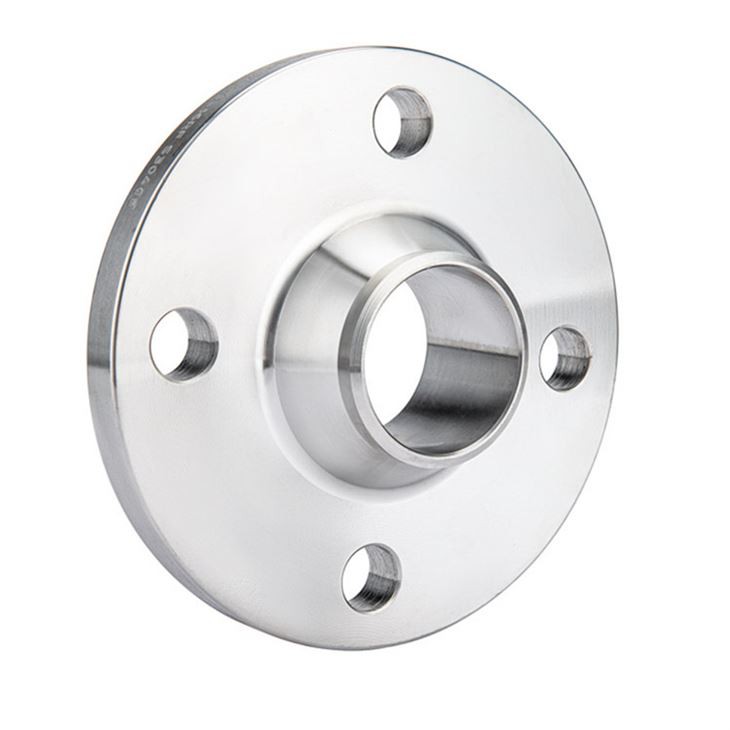
Regular cleaning
Regular cleaning is one of the most important maintenance practices for welding stainless steel pipe flange. Over time, dirt, debris, and contaminants can accumulate on the flange surfaces, leading to corrosion and reduced performance.
Use mild detergents: When cleaning welding stainless steel pipe flange, use mild detergents or cleaning agents specifically designed for stainless steel. Avoid harsh chemicals that can damage the protective oxide layer.
Avoid abrasive materials: Use soft brushes or cloths to clean the flanges and avoid abrasive materials that can scratch the surface. Scratches can become potential sites for corrosion.
Rinse thoroughly: After cleaning, rinse the flanges thoroughly with clean water to remove any residue from the cleaning agents. This prevents chemical buildup that can lead to corrosion.
Regular cleaning enhances the appearance of welding stainless steel pipe flange, protects them from corrosion, and ensures optimal performance.
Inspection for corrosion and damage
Regularly inspecting welding stainless steel pipe flange is crucial for identifying corrosion, damage, or wear signs. Catching these issues early can prevent more significant problems down the line.
Check for rust and discoloration: Despite their corrosion resistance, welding stainless steel pipe flange can still develop rust under certain conditions. Look for signs of rust or discolouration on the flange surfaces.
Inspect seals and gaskets: Check the seals and gaskets for wear and tear. Damaged seals can lead to leaks and compromise the integrity of the flange connection.
Examine bolt tightness: Ensure the bolts and nuts securing the flanges are tight. Loose bolts can lead to leakage and misalignment of the piping system.
Regular inspection allows you to address potential issues before they escalate, ensuring the reliability and safety of your piping systems.
Lubrication of bolts and joints
Proper lubrication of bolts and joints is essential to ensure smooth operation and prevent galling, a condition where metal surfaces adhere to each other due to friction.
Use anti-seize lubricants: Apply anti-seize lubricants to the bolts and threads to prevent galling and facilitate easy disassembly during maintenance.
Avoid over-lubrication: While lubrication is essential, over-lubrication can attract dirt and debris, leading to increased wear. Apply the lubricant sparingly and wipe off any excess.
Lubrication is critical in maintaining the integrity and functionality of welding stainless steel pipe flange, particularly in high-temperature and high-pressure applications.
Monitor environmental conditions
The environment in which welding stainless steel pipe flange operate can significantly impact their performance and longevity. Monitoring and managing environmental conditions can help prevent corrosion and other issues.
Control temperature and humidity: Extreme temperatures and high humidity can accelerate corrosion. Maintain stable environmental conditions to minimize stress on the flanges.
Protect from chemical exposure: If the flanges are exposed to corrosive chemicals, consider using protective coatings or barriers to shield them from direct contact.
Regularly assess environmental changes: Periodically assess changes in the operating environment that may affect the flanges, such as new chemicals introduced into the system.
Understanding the specific environmental factors that affect your welding stainless steel pipe flange can guide you in implementing protective measures that extend their lifespan.
Scheduled maintenance and replacement
Implementing a scheduled maintenance program ensures that welding stainless steel pipe flange are regularly inspected, cleaned, and repaired. Knowing when to replace worn-out components is crucial for maintaining system integrity.
Set a maintenance schedule: Develop a maintenance schedule based on the manufacturer's recommendations and the specific conditions of your application.
Replace worn components: If inspection reveals significant wear or damage, replace the affected components promptly to prevent system failure.
Document maintenance activities: Keep detailed records of all maintenance activities, including inspections, repairs, and replacements. This documentation can help identify trends and plan future maintenance activities.
A proactive approach to maintenance extends the life of welding stainless steel pipe flange and enhances the safety and efficiency of your entire piping system.
Our Factory
Zhejiang Mingli Management Co., Ltd. was founded in 1994 with a registered capital of 50 million. We have more than 30 years of experience in production and processing of stainless steel pipelines. The factory area is 10,000+㎡, with 60+ sets of production equipment and 70+ sets of supporting molds. Our factory has a standing inventory of 800+ tons, and the annual production capacity can reach 5,000+ tons. We support OEM/ODM, processing according to the drawings, and also provide surface treatment such as sandblasting, sand rolling, mirror surface etc.


Our Certificates
Get certificate: ISO9001 certification, (TS) special equipment production license, DAS certification


Asked Questions
Hot Tags: welding stainless steel pipe flange, China welding stainless steel pipe flange manufacturers, factory, steel 45 degree elbow, 1 inch stainless steel fittings, stainless steel npt pipe fittings, pvc plumbing pipe fitting, ss elbow 90 degree stainless steel elbow, male threaded coupling fittings