


Stainless steel reducer tees can be widely used in pipeline projects in petrochemical, petroleum, liquefied gas, fertilizer, power plant, nuclear power plant, shipbuilding, papermaking, pharmaceutical, food hygiene, urban construction and other industries. It is made of high-quality stainless steel material with exquisite appearance and smooth surface. It resists corrosion caused by water, heat, salt water, acids, minerals and peaty soils. This reducing tee can meet the strict certification required by current piping systems, with high strength and stainless steel corrosion resistance, suitable for various industries and environments. If you need a more high-pressure reducing tee to meet more stringent industrial applications, we can also customize it according to your needs.
Features
1. This stainless steel tee is a pipe joint with strength, fatigue, corrosion resistance and temperature compliance, suitable for pipeline engineering in many fields.
2. Thanks to sophisticated equipment and advanced molding technology, this reducing tee has excellent dimensional accuracy, making it less likely to leak.
3. Since it is made of non-porous and smooth stainless steel, this reducing tee will not cause leakage and is very easy to maintain.
4. This stainless steel reducer tee can not only withstand the impact of high water pressure, but also will not cause damage to the sanitation in the pipeline or pollute the water quality.
More Details
Forming process: Forging; cold pressing; mandril forming
Size range: Seamless, DN15 - DN600 (1/2" - 24"); Welded, DN15 - DN1200 (1/2" - 48")
Manufacturing standard:
-National standard: GB/T12459, GB/T13401, HG/T21635, HG/T21631
-American standard: ASME/ANSI B16.9 MSS SP43
-Japanese standard: JIS B 2311/2220
-German standard: DIN2605/2616/2615/2617
-Russian standard: GOST 17375/17376 and so on
Non-standard customized processing drawings are also acceptable
Pressure rating: SCH5S-SCH160; XXS
Material: Stainless steel OCr18Ni9 grade, 0Cr18Ni9Ti, 1Cr18Ni9Ti; 304, 304L, 316, 316L, 316Ti, 317, 317L, 321, 321H; 1.4301, 1.4306, 1.4401, 1.4435, 1.4571, 1.4436, 1.4438, 1.4541; 08X18H10(0X18H10), 03X18H11(000X18H11), 03X17H14M2 (000X17H13M2), 08X18H10T(0X18H10T) and so on
Dual phase stainless steel ASTM A815-S31803,S32205,S32750,S32760
Super stainless steel ASTM 904L,B366-N08904,A403-WP317,317L,254SMO(UNS S31254)

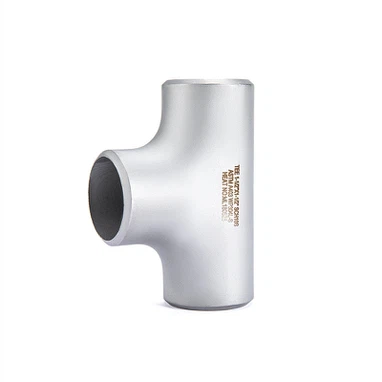
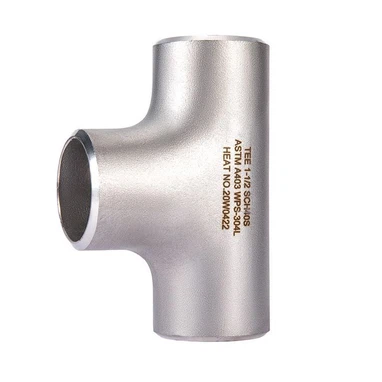
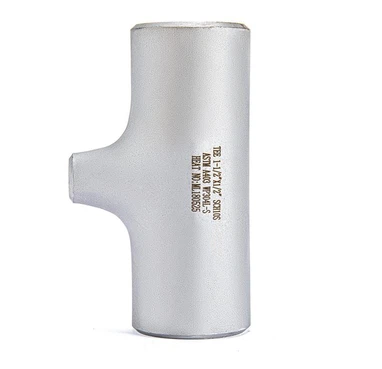
What is Stainless Steel Reducer Tee
A stainless steel reducer tee is a pipe fitting that allows for a change in pipe diameter while also splitting the flow in two different directions. It typically features three openings, with one larger diameter inlet and two smaller diameter outlets. The larger inlet connects to a larger diameter pipe, while the smaller outlets connect to smaller diameter pipes. This fitting is commonly used in piping systems where the flow needs to be redirected or where different pipe sizes must be connected. The use of stainless steel ensures durability and resistance to corrosion, making it suitable for a wide range of industrial applications.
Why Choose Us
Quality assurance
We work diligently to ensure that our products meet the highest standards of quality and performance. We follow industry trends, encourage feedback from our customers, and replace defective products, no questions asked.
Rich production experience
Our company has many years of production work experience. The concept of customer-oriented and win-win cooperation makes the company more mature and stronger.
After-sale service
Our terms of work have always been fixed within the work process and one can be assured about the guarantee of the work as we are there 24/7 business hours during the time your project is being worked is on.
Professional team
Our professional team collaborate and communicate effectively with one another, and are committed to delivering high-quality results. They are capable of handling complex challenges and projects that require their specialized expertise and experience.
Advantages of Stainless Steel Reducer Tee
1. Environmentally friendly
Stainless steel is a recyclable material, making stainless steel reducer tees an environmentally friendly choice for piping systems. The recyclability of stainless steel reduces the environmental impact of the piping system and contributes to sustainability efforts.
2. Corrosion resistance
Stainless steel reducer tees offer excellent corrosion resistance, making them suitable for use in a variety of environments, including corrosive and high-temperature conditions. This corrosion resistance helps to ensure the longevity and reliability of the piping system.
3. Versatility
Stainless steel reducer tees are versatile fittings that can accommodate different pipe sizes and configurations. They allow for the seamless connection of pipes with varying diameters, facilitating the efficient flow of fluids or gases in the piping system. This versatility makes them suitable for a wide range of applications across various industries.
4. Durability
Stainless steel is known for its durability and strength, providing the reducer tee with the ability to withstand high-pressure applications and mechanical stresses without compromising its structural integrity. This durability contributes to the longevity of the piping system and reduces the need for frequent maintenance or replacement.
5. Hygienic properties
Stainless steel reducer tees are hygienic and easy to clean, making them ideal for use in industries such as food and beverage, pharmaceuticals, and healthcare. The smooth surface of stainless steel prevents bacterial growth and contamination, ensuring product purity and compliance with sanitation standards.
What are The Primary Functions of a Stainless Steel Reducer Tee in a Piping System?
The primary function of a stainless steel reducer tee in a piping system is to facilitate the transition between pipes of different diameters while also splitting the flow in two different directions. This fitting allows for the efficient redirection of fluids or gases within the system, accommodating changes in pipe size and configuration. By connecting pipes of varying diameters, the reducer tee enables the seamless integration of different sections of the piping system, ensuring smooth and uninterrupted flow. Additionally, it provides flexibility in routing pipelines and optimizing space utilization, making it an essential component for ensuring the proper functioning and efficiency of the overall piping system.
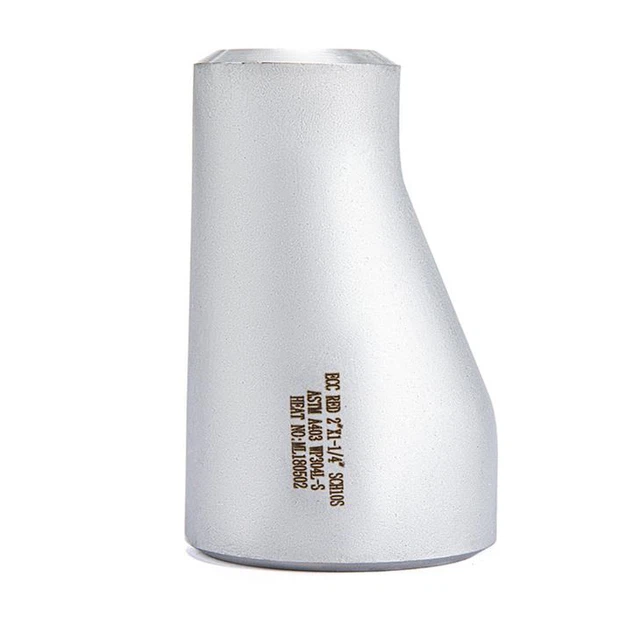

Stainless steel reducer tees are designed to withstand high-pressure applications due to the inherent strength and durability of stainless steel. The robust construction of these fittings ensures that they can effectively handle the elevated pressures commonly encountered in industrial piping systems. Stainless steel's resistance to corrosion and mechanical stresses further enhances the suitability of reducer tees for high-pressure environments.
1. Proper alignment
During installation, ensure that the stainless steel reducer tee is aligned correctly with the existing piping system to maintain uniform flow and prevent obstructions or restrictions. Use alignment guides or markers to ensure precise positioning before securing the fittings in place.
2. Adequate support
Provide adequate support for the stainless steel reducer tee and surrounding pipes to prevent sagging, misalignment, or stress concentration. Use appropriate hangers, brackets, or supports at regular intervals to distribute the weight evenly and minimize mechanical stresses on the fittings.
3. Leak-free sealing
Ensure leak-free sealing of the joints between the stainless steel reducer tee and adjoining pipes by using compatible sealing materials such as gaskets, O-rings, or sealing compounds. Tighten bolts or clamps evenly and to the manufacturer's recommended torque specifications to achieve proper compression and sealing.
4. Welding procedures
If welding is required during installation, follow industry-standard welding procedures and techniques to ensure strong and durable joints. Clean the welding surfaces thoroughly to remove any contaminants, use suitable welding electrodes or filler materials compatible with stainless steel, and maintain proper welding parameters to achieve sound welds without defects or contamination.
What Welding Methods are Commonly Used to Join Stainless Steel Reducer Tees?
Commonly used welding methods to join stainless steel reducer tees include TIG (Tungsten Inert Gas) welding, MIG (Metal Inert Gas) welding, and stick welding. TIG welding, known for its precision and control, is often preferred for stainless steel due to its ability to produce high-quality, clean welds with minimal spatter and distortion. MIG welding offers high efficiency and productivity, making it suitable for larger diameter pipes and thicker materials. Stick welding, also known as shielded metal arc welding (SMAW), is a versatile method suitable for field installations and repairs, although it may produce more spatter and require additional cleaning. Each welding method has its advantages and limitations, and the choice depends on factors such as material thickness, accessibility, and project requirements.

Ensure proper alignment and fitment of the components to minimize gaps or misalignment that could lead to leaks. Use appropriate sealing materials such as gaskets, O-rings, or sealing compounds specifically designed for stainless steel piping systems. These sealing materials help create a tight and reliable seal between the reducer tee and adjoining pipes. Apply even and adequate torque to fasteners such as bolts or clamps to ensure proper compression of the sealing elements without over-tightening, which could damage the components. Regular inspection and maintenance of the joints are also essential to detect and address any potential leaks promptly.
1. Concentric reducer tee
In a concentric reducer tee, the centerline of the inlet and outlet pipes are aligned, resulting in a gradual reduction in diameter from one end of the tee to the other. This type of reducer tee is commonly used when there is a need to maintain an even flow rate or pressure within the piping system while reducing the pipe size.
2. Eccentric reducer tee
An eccentric reducer tee features an offset centerline between the inlet and outlet pipes, resulting in a more pronounced reduction in diameter on one side of the tee compared to the other. This type of reducer tee is typically used when there is a requirement to prevent air or gas pockets from forming in the piping system, or to facilitate drainage in horizontal piping runs.
Stainless steel reducer tees are typically fabricated from high-quality stainless steel alloys, renowned for their exceptional corrosion resistance, durability, and mechanical strength. The most commonly used stainless steel grades for reducer tees include 304, 316, and 316L, among others, each offering unique properties suited to different application requirements. These materials are chosen for their ability to withstand harsh environmental conditions, high temperatures, and corrosive substances, ensuring the longevity and reliability of the piping system.

What Surface Finishes are Available for Stainless Steel Reducer Tees?

Common surface finishes include polished, brushed, satin, and mill finishes. Polished finishes offer a mirror-like appearance and are often used in architectural and decorative applications where visual appeal is important. Brushed finishes have a uniform directional grain pattern, providing a matte appearance and hiding scratches and fingerprints well, making them suitable for high-traffic areas. Satin finishes offer a smooth, low-gloss surface that is easy to clean and maintain, making them ideal for sanitary or hygienic applications. Mill finishes are the standard finish produced during manufacturing and have a slightly rough texture, often requiring further processing or finishing for specific applications.
1. Construction and architecture
In construction and architectural applications, reducer tees are utilized in plumbing, drainage, and HVAC systems for residential, commercial, and institutional buildings, providing reliable transitions between pipes of different sizes.
2. Industrial processes
In industrial settings, reducer tees are utilized in piping systems for conveying liquids, gases, or solids in various processes, including chemical processing, petrochemical plants, refineries, and pharmaceutical manufacturing facilities.
3. Water treatment
In water treatment plants and facilities, reducer tees are utilized to connect pipes of different sizes in water distribution systems, treatment processes, and wastewater management systems, ensuring the efficient flow and treatment of water.
4. Food and beverage industry
In the food and beverage industry, stainless steel reducer tees are used in piping systems for conveying fluids and ingredients in food processing, dairy production, breweries, and beverage manufacturing, where hygiene and corrosion resistance are critical.
5. Marine and offshore applications
In marine and offshore environments, stainless steel reducer tees are employed in piping systems for shipbuilding, offshore oil and gas platforms, and marine vessels, where they withstand corrosive seawater and harsh environmental conditions.
How to choose The Appropriate Size of Stainless Steel Reducing Tee?
Determine the flow rate or volume of fluid that the piping system needs to accommodate. Select the sizes of the inlet and outlet pipes based on this flow requirement, ensuring that the reducing tee can handle the desired flow without causing excessive pressure drop or velocity issues. Consider the compatibility of the reducing tee with the existing piping system, including the diameter and material of the pipes.

These materials include other grades of stainless steel such as 304, 316, and 321, as well as carbon steel, galvanized steel, PVC (polyvinyl chloride), CPVC (chlorinated polyvinyl chloride), copper, brass, and various alloys. The versatility of stainless steel reducing tees allows them to seamlessly connect pipes of different materials, facilitating transitions between dissimilar piping systems while ensuring reliable and leak-free joints. Proper sealing methods and installation techniques are essential to ensure compatibility and performance when connecting stainless steel reducing tees with pipes made from different materials.
Process of Stainless Steel Reducer Tee
1. Material selection
The process begins with selecting high-quality stainless steel materials, typically grades such as 304, 316, or other suitable alloys, based on the application requirements and desired properties.
2. Forming
The selected stainless steel material is then formed into the desired shape using specialized machinery and processes. This may involve processes such as hot or cold forming, forging, or machining to create the basic shape of the reducer tee.
3. Reducing and shaping
Once the basic shape is formed, the reducer tee undergoes further processing to reduce the diameter of one or more of its branches. This can be achieved through methods such as machining, swaging, or extrusion to create the tapered or reduced openings required for the tee.
4. Sizing and dimensional control
After welding (if applicable), the reducer tee undergoes sizing and dimensional control processes to ensure uniformity in diameter, wall thickness, and overall dimensions. This ensures that the finished product meets the required specifications and standards.
5. Surface finish
Finally, the stainless steel reducer tee may undergo surface finishing processes such as polishing, buffing, or passivation to enhance its appearance, improve corrosion resistance, and meet aesthetic or functional requirements.
Components of Stainless Steel Reducer Tee
The components of a stainless steel reducer tee typically consist of the main body of the tee, which includes the larger inlet and two smaller outlets. The main body is manufactured from stainless steel material and may feature tapered or reduced openings to facilitate the transition between pipes of different sizes. Depending on the design and application, reducer tees may also include welded joints or seamless construction to connect the branches securely. Sealing components such as gaskets or O-rings may be used to ensure leak-free connections between the tee and adjoining pipes.
To install a stainless steel reducing tee, begin by ensuring proper alignment of the tee with the existing piping system. Use alignment guides or markers to position the tee accurately. Next, securely attach the tee to the pipes using appropriate fastening methods such as welding, threading, or compression fittings. Ensure leak-free sealing at the joints by using compatible sealing materials such as gaskets or sealing compounds. Tighten bolts or clamps evenly and to the recommended torque specifications to achieve proper compression of the sealing elements without over-tightening. Finally, provide adequate support for the tee and surrounding pipes to prevent sagging or stress concentration.
Maintenance Tips for Stainless Steel Reducer Tee
Regular inspection
Conduct periodic visual inspections of the reducer tee and surrounding piping system to check for signs of corrosion, leaks, or damage. Look for any indications of surface deterioration, such as discoloration, pitting, or rust spots. Early detection of issues allows for timely repairs or replacements, preventing potential failures and minimizing downtime.
Proper cleaning
Clean the stainless steel reducer tee regularly to remove surface contaminants, dirt, or debris that can accumulate over time. Use mild detergent or soap with warm water and a soft cloth or sponge to gently scrub the surface. Avoid abrasive cleaners or scouring pads that can scratch or damage the stainless steel finish. Rinse thoroughly with clean water and dry with a soft towel to prevent water spots or staining.
Passivation
Periodically passivate the stainless steel reducer tee to restore its corrosion resistance properties and remove any surface contaminants or iron deposits that may have accumulated during use. Passivation involves treating the stainless steel surface with an acid solution or other passivating agent to promote the formation of a protective oxide layer. Follow manufacturer recommendations and industry standards for passivation procedures to ensure effective results.
Proper handling and storage
Handle stainless steel reducer tees with care to avoid scratches, dents, or other damage that can compromise their integrity. Use appropriate lifting equipment or handling methods to prevent dropping or mishandling during transportation or installation. Store the reducer tees in a clean, dry environment away from sources of moisture, humidity, or corrosive substances. Use protective covers or packaging to shield the fittings from physical damage and contaminants while in storage.

Things to Note When Using Stainless Steel Reducer Tee
Ensure that the reducer tee is compatible with the specific application requirements and environmental conditions, including temperature, pressure, and corrosive substances. Secondly, carefully inspect the tee for any defects or damage before installation to prevent potential issues. Thirdly, follow industry-standard installation practices and guidelines to ensure proper alignment, sealing, and support of the tee within the piping system. Regular inspection and maintenance of the tee are crucial to detect and address any leaks, corrosion, or structural issues promptly.
Working Principle of Stainless Steel Reducer Tee
The working principle of a stainless steel reducer tee lies in its ability to facilitate the transition between pipes of different sizes while maintaining fluid flow. By connecting a larger diameter pipe to one end of the tee and smaller diameter pipes to the other ends, the tee allows for the redirection or distribution of fluids within a piping system. The tapered or reduced openings of the tee ensure smooth flow transitions, minimizing turbulence and pressure drops. This design enables the tee to effectively adapt to varying flow rates and accommodate changes in piping configurations, making it a versatile component in piping systems across various industries.
The Difference Between Stainless Steel Reducer Tee and Other Types of Pipe Fittings
The primary difference between stainless steel reducer tees and other types of pipe fittings lies in their functionality and configuration. While fittings like elbows, couplings, and crosses serve specific purposes such as changing direction, connecting pipes, or branching off lines, reducer tees specifically facilitate a reduction in pipe diameter while splitting the flow in two different directions. This unique design allows for the transition between pipes of different sizes while maintaining flow continuity. Unlike other fittings that may only change direction or connect pipes of the same size, stainless steel reducer tees offer versatility in adapting to varying pipe sizes within a piping system.
The factory area is 10,000+㎡, with 60+ sets of production equipment and 70+ sets of supporting molds. Our factory has a standing inventory of 800+ tons, and the annual production capacity can reach 5,000+ tons. We support OEM/ODM, processing according to the drawings, and also provide surface treatment such as sandblasting, sand rolling, mirror surface etc.

FAQ
Q: What is a stainless steel reducer tee?
Q: What are the advantages of using stainless steel reducer tees in piping systems?
Q: How do stainless steel reducer tees differ from regular tees?
Q: What are the common sizes available for stainless steel reducer tees?
Q: What industries commonly use stainless steel reducer tees?
Q: How do you install stainless steel reducer tees?
Q: Can stainless steel reducer tees be used in high-pressure applications?
Q: What surface finishes are available for stainless steel reducer tees?
Q: Are stainless steel reducer tees compatible with other materials?
Q: How do you prevent corrosion in stainless steel reducer tees?
Q: Can stainless steel reducer tees be recycled?
Q: What factors should be considered when selecting stainless steel reducer tees?
Q: How do you maintain stainless steel reducer tees?
Q: Can stainless steel reducer tees be used in corrosive environments?
Q: What are the different types of stainless steel reducer tees?
Q: How do you select the appropriate size of stainless steel reducer tees?
Q: Can stainless steel reducer tees be used for hot water applications?
Q: Are stainless steel reducer tees suitable for underground piping systems?
Q: What are the advantages of using a stainless steel reducer tee over a traditional elbow plus tee combination?
Q: What is the typical pressure rating for stainless steel reducer tees?
Hot Tags: stainless steel reducer tee, China stainless steel reducer tee manufacturers, factory, propane gas line fittings, malleable fittings, hose pipe nipple fitting, stainless steel tee warranty, stainless steel tee reynolds number, 1 pvc coupling fittings


