The pressure rating of stainless pipe fittings is a crucial factor that determines their suitability for various applications. As a trusted supplier of Stainless Pipe Fittings, I understand the significance of providing high-quality products with accurate pressure ratings. In this blog, I will delve into what pressure rating means, how it is determined, and why it matters in the selection of stainless pipe fittings.
What is Pressure Rating?
Pressure rating refers to the maximum amount of pressure that a pipe fitting can safely withstand under specific conditions. It is typically expressed in pounds per square inch (psi) or bars. This rating is not a fixed value but depends on several factors, including the material of the fitting, its design, temperature, and the type of fluid or gas it will carry.
For stainless pipe fittings, the pressure rating is especially important because they are often used in demanding environments where high pressures are involved. These environments can range from industrial manufacturing plants to chemical processing facilities and even in some high - end residential plumbing systems.
Factors Affecting Pressure Rating
Material
Stainless steel is a popular choice for pipe fittings due to its excellent corrosion resistance, strength, and durability. Different grades of stainless steel have different mechanical properties, which directly impact the pressure rating. For example, 304 stainless steel is a common grade known for its good corrosion resistance and moderate strength. On the other hand, 316 stainless steel contains molybdenum, which enhances its corrosion resistance in more aggressive environments and also provides slightly higher strength, potentially leading to a higher pressure rating.
Design
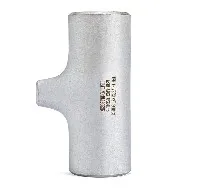
The design of the pipe fitting plays a significant role in determining its pressure - bearing capacity. For instance, a well - engineered Stainless Steel Reducer Tee is designed to smoothly transition the flow of fluid or gas between pipes of different diameters while maintaining structural integrity under pressure. The wall thickness of the fitting is also a critical design factor. Thicker walls can generally withstand higher pressures as they provide more resistance to deformation.
Temperature
Temperature has a profound effect on the pressure rating of stainless pipe fittings. As the temperature increases, the strength of stainless steel decreases. This means that a fitting that can handle a certain pressure at room temperature may not be able to withstand the same pressure at elevated temperatures. Manufacturers usually provide pressure - temperature rating charts for their products to help users select the appropriate fitting for their specific operating conditions.
Fluid or Gas Type
The type of fluid or gas flowing through the pipe fitting can also affect its pressure rating. Some fluids, such as corrosive chemicals, can weaken the stainless steel over time, reducing its pressure - bearing capacity. Additionally, the density and viscosity of the fluid or gas can influence the pressure distribution within the fitting, which in turn affects its overall performance under pressure.
How Pressure Ratings are Determined
Manufacturers use a combination of theoretical calculations and practical testing to determine the pressure ratings of stainless pipe fittings.
Theoretical Calculations
Engineers use mathematical models based on the principles of mechanics and materials science to calculate the stress and strain that a fitting will experience under different pressure conditions. These calculations take into account factors such as the material properties, wall thickness, and geometry of the fitting. For example, the hoop stress formula is commonly used to calculate the stress in the circumferential direction of a pipe or fitting, which is a critical factor in determining its pressure - bearing capacity.
Practical Testing
In addition to theoretical calculations, manufacturers also conduct extensive testing on their products. This includes hydrostatic testing, where the fitting is filled with a liquid (usually water) and pressurized to a specified level to check for leaks or deformation. The fitting is then inspected visually and sometimes using non - destructive testing methods such as ultrasonic testing or X - ray inspection to ensure its integrity.
Importance of Correct Pressure Rating
Selecting stainless pipe fittings with the correct pressure rating is essential for several reasons.
Safety
Using fittings with an insufficient pressure rating can lead to catastrophic failures, such as pipe bursts or leaks. These failures can pose serious safety risks to personnel, damage equipment, and cause environmental pollution. For example, in a chemical processing plant, a pipe burst due to an under - rated fitting can release hazardous chemicals, endangering the lives of workers and the surrounding community.
Performance
Fittings that are properly rated for the operating pressure ensure optimal performance of the piping system. They can maintain a consistent flow of fluid or gas without excessive pressure drops or leaks, which is crucial for the efficient operation of industrial processes or plumbing systems.


Cost - Effectiveness
While it may be tempting to choose cheaper, lower - rated fittings to save costs, this can actually lead to higher long - term costs. Frequent failures and replacements of under - rated fittings can result in downtime, repair costs, and lost productivity. On the other hand, investing in high - quality, correctly rated fittings can provide long - term reliability and cost savings.
Examples of Pressure Ratings in Different Applications
Industrial Applications
In industrial settings such as oil refineries or power plants, high - pressure piping systems are common. Stainless pipe fittings used in these applications often have high pressure ratings, sometimes exceeding 1000 psi. For example, Stainless Steel Tee Fittings used in steam lines need to be able to withstand high pressures and temperatures, and they are carefully selected based on the specific operating conditions of the system.
Residential Applications
In residential plumbing systems, the pressure ratings are generally lower compared to industrial applications. However, it is still important to use fittings with the appropriate rating. For example, in a high - rise building, the water pressure can be relatively high, and using under - rated fittings can lead to leaks and water damage over time.
Chemical Processing
Chemical processing plants require pipe fittings that can withstand not only high pressures but also the corrosive effects of chemicals. 304 Stainless Steel Reducer Tee may be used in some less aggressive chemical environments, while more corrosive applications may require higher - grade stainless steel fittings with appropriate pressure ratings.
Conclusion
The pressure rating of stainless pipe fittings is a complex but essential aspect of their performance and safety. As a supplier of Stainless Pipe Fittings, I am committed to providing products with accurate pressure ratings and high - quality standards. When selecting pipe fittings for your project, it is crucial to consider all the factors that affect the pressure rating and choose the right fitting for your specific application.
If you are in need of high - quality stainless pipe fittings with the correct pressure ratings for your project, I invite you to contact me for more information and to discuss your specific requirements. I am here to assist you in making the best choice for your piping system.
References
- ASME B16.9 - Factory - Made Wrought Steel Buttwelding Fittings
- ASTM A403 - Standard Specification for Wrought Austenitic Stainless Steel Piping Fittings
- Manufacturer's product catalogs and technical data sheets