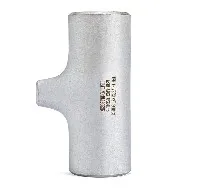
Hey there! As a supplier of Stainless Steel Stub Ends, I know how crucial it is to ensure their sealing performance. In this blog, I'm gonna share some practical tips and insights on how to achieve that.
Understanding the Basics of Sealing Performance
First things first, let's talk about what sealing performance means in the context of stainless steel stub ends. A good seal is essential to prevent leaks, which can lead to all sorts of problems, from minor annoyances to major safety hazards. When we're talking about sealing, we're looking at how well the stub end can maintain a tight connection with other pipes or fittings, even under different pressures, temperatures, and chemical environments.
The material of the stainless steel itself plays a big role. High - quality stainless steel has better corrosion resistance, which means it can withstand the test of time and harsh conditions without degrading and compromising the seal. For example, grades like 304 and 316 stainless steel are popular choices because they offer a good balance of strength and corrosion resistance.
Proper Installation
One of the most important factors in ensuring sealing performance is proper installation. You can have the best - quality stub ends, but if they're not installed correctly, the seal won't hold up.
Alignment
When installing a stainless steel stub end, make sure it's perfectly aligned with the mating pipe or fitting. Even a slight misalignment can cause uneven stress on the seal, leading to leaks over time. Use alignment tools if necessary to ensure everything is in place. For instance, a laser alignment tool can be really helpful in large - scale piping systems.
Torque
Applying the right amount of torque is crucial. If you overtighten the bolts or fasteners, you can damage the sealing surface of the stub end or the gasket. On the other hand, if you don't tighten them enough, the seal won't be tight enough to prevent leaks. Refer to the manufacturer's specifications for the correct torque values. Usually, a torque wrench is used to ensure accurate tightening.
Gasket Selection
The gasket is an important part of the sealing system. It fills the gaps between the stub end and the mating surface, creating a tight seal. Choose a gasket material that is compatible with the fluid or gas being transported, as well as the temperature and pressure conditions. For example, if you're dealing with high - temperature applications, a graphite - based gasket might be a good choice. If it's a chemical - rich environment, a fluoropolymer gasket could be more suitable.
Surface Preparation
The surface of the stainless steel stub end also needs to be properly prepared. A rough or dirty surface can prevent a good seal from forming.
Cleaning
Before installation, clean the sealing surface of the stub end thoroughly. Remove any dirt, grease, rust, or debris. You can use a solvent or a cleaning agent specifically designed for stainless steel. After cleaning, dry the surface completely to avoid any moisture that could affect the seal.
Surface Finish
The surface finish of the stub end can also impact sealing performance. A smoother surface generally provides a better seal. However, the level of smoothness required depends on the application. In some cases, a very fine finish might be necessary, while in others, a slightly rougher finish can still work well as long as the gasket can conform to it.
Maintenance and Inspection
Sealing performance isn't just about the initial installation. Regular maintenance and inspection are also important to ensure the seal continues to hold up over time.
Regular Checks
Periodically check the stub ends for any signs of leaks, such as wet spots, hissing sounds, or changes in pressure. If you notice any issues, address them immediately. You can use leak - detection tools like ultrasonic leak detectors or pressure gauges to identify problems early.
Gasket Replacement
Over time, gaskets can wear out or degrade. Replace the gaskets at regular intervals, especially if they're showing signs of wear, such as cracks or compression set. This can help prevent leaks and extend the life of the sealing system.
Compatibility with Other Components
Stainless steel stub ends are often part of a larger piping system. They need to be compatible with other components in the system, such as Stainless Steel Tee and Stainless Steel Reducer Tee and Stainless Steel Reducer Tee.
Material Compatibility
Make sure that the materials of all the components in the system are compatible with each other. For example, if you're using a stainless steel stub end with a carbon steel pipe, there could be a risk of galvanic corrosion, which can damage the seal. In such cases, use insulating gaskets or coatings to prevent this from happening.
Size and Dimension Compatibility
Ensure that the size and dimensions of the stub end match those of the other components in the system. Using mismatched parts can lead to poor sealing performance. Check the specifications of all the components carefully before installation.


Environmental Considerations
The environment in which the stainless steel stub ends are used can also affect sealing performance.
Temperature
Extreme temperatures can cause the stainless steel and the gasket to expand or contract. This can lead to changes in the seal. In high - temperature applications, use materials that can withstand the heat without losing their sealing properties. In cold - temperature applications, make sure the gasket material doesn't become brittle.
Chemical Exposure
If the stub ends are exposed to chemicals, choose a stainless steel grade and gasket material that are resistant to those chemicals. For example, in a chemical - processing plant, you might need to use a high - alloy stainless steel and a chemical - resistant gasket.
Testing
Before putting the piping system into operation, it's a good idea to conduct some tests to ensure the sealing performance of the stainless steel stub ends.
Pressure Testing
A pressure test is a common way to check for leaks. Apply a pressure slightly higher than the normal operating pressure to the system and monitor for any pressure drops or leaks. If there are any issues, find and fix them before starting normal operation.
Helium Leak Testing
For applications where a very high level of sealing performance is required, such as in the aerospace or semiconductor industries, helium leak testing can be used. Helium is a very small molecule, so it can detect even the smallest leaks.
In conclusion, ensuring the sealing performance of stainless steel stub ends requires attention to detail at every step, from installation to maintenance. By following these tips, you can significantly improve the reliability of your piping system.
If you're in the market for high - quality stainless steel stub ends or have any questions about sealing performance, feel free to reach out. We're here to help you find the best solutions for your piping needs. Let's start a conversation about your procurement requirements and see how we can work together to ensure your systems are leak - free and efficient.
References
- Piping Handbook, McGraw - Hill
- ASME B31.3 Process Piping Code
- API Standards for Piping Components