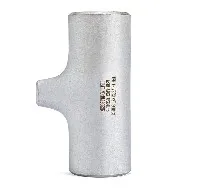
As a supplier of butt weld reducer tees, I understand the critical importance of fire resistance in various industrial applications. A butt weld reducer tee is a crucial component in piping systems, used to connect pipes of different diameters and change the direction of flow. In environments where fire hazards are present, such as chemical plants, refineries, and power generation facilities, enhancing the fire - resistance of these tees is not just a safety measure but also a regulatory requirement. In this blog, I will share some effective ways to improve the fire - resistance of a butt weld reducer tee.
Material Selection
The choice of material is the first and most fundamental step in enhancing fire - resistance. Stainless steel is a popular choice for butt weld reducer tees due to its excellent corrosion resistance and relatively good fire - resistance properties. Among stainless steels, grades like 316 and 304 are widely used.
316 Stainless Steel Pipe Tee is known for its high molybdenum content, which provides better corrosion resistance in harsh environments. It also has good fire - resistance characteristics. The chromium in 316 stainless steel forms a passive oxide layer on the surface, which can protect the underlying metal from oxidation and degradation at elevated temperatures.
Similarly, 304 Stainless Steel Reducer Tee is another commonly used grade. It contains a significant amount of chromium and nickel, which contribute to its fire - resistance. At high temperatures, the chromium oxide layer helps to slow down the oxidation process, preventing the tee from losing its structural integrity quickly.
Stainless Steel Reducer Tee suppliers often offer a range of materials to meet different fire - resistance requirements. For applications where extremely high fire - resistance is needed, materials like duplex stainless steel or nickel - based alloys can be considered. These materials have even better high - temperature strength and oxidation resistance compared to standard stainless steels.
Surface Treatment
Surface treatment can also play a vital role in improving the fire - resistance of a butt weld reducer tee. One common surface treatment method is applying a fire - resistant coating. Fire - resistant coatings are designed to insulate the tee from high temperatures and prevent the spread of fire. These coatings can be classified into intumescent and non - intumescent types.
Intumescent coatings expand when exposed to heat, forming a thick, insulating char layer. This char layer acts as a barrier, reducing the heat transfer to the underlying metal and protecting the tee from thermal damage. Non - intumescent coatings, on the other hand, provide a more stable and continuous layer of protection. They are often used in applications where a more uniform and long - lasting fire - protection is required.
Another surface treatment option is passivation. Passivation is a chemical process that removes free iron from the surface of the stainless steel tee and enhances the formation of the passive oxide layer. A well - passivated surface can improve the corrosion and fire - resistance of the tee by preventing the initiation of oxidation at the surface.
Welding Quality
The quality of the butt weld is crucial for the overall fire - resistance of the reducer tee. A poor weld can create weak points in the tee, which are more likely to fail under high - temperature conditions. Therefore, it is essential to ensure that the welding process is carried out by experienced welders using appropriate welding techniques and equipment.
Pre - welding preparations, such as cleaning the surfaces to be welded and proper joint design, are important steps. The use of suitable welding consumables that match the base material of the tee is also critical. For example, when welding 316 stainless steel, the welding rod or wire should also be made of 316 stainless steel or a compatible material.
Post - welding heat treatment can further improve the fire - resistance of the weld. Heat treatment can relieve residual stresses in the weld and improve the microstructure of the welded area, making it more resistant to high - temperature deformation and oxidation.
Design Optimization
The design of the butt weld reducer tee can also impact its fire - resistance. A well - designed tee should have a smooth internal surface to reduce the accumulation of debris and prevent the formation of hot spots. The wall thickness of the tee should be carefully selected based on the expected operating conditions and fire - resistance requirements.
In addition, the shape and size of the tee can affect its fire - performance. For example, a tee with a more streamlined shape can reduce the resistance to fluid flow and minimize the chances of overheating. Designers should also consider the placement of the tee in the piping system. Tees located in areas with higher fire risks, such as near heat sources or in areas prone to fire spread, may require additional fire - protection measures.
Testing and Certification
To ensure the fire - resistance of the butt weld reducer tee, it is necessary to conduct regular testing and obtain relevant certifications. Fire - resistance testing can be carried out in accordance with international standards, such as ASTM E119 or ISO 834. These tests simulate real - fire conditions and measure the time it takes for the tee to lose its structural integrity or to allow excessive heat transfer.
Certifications from recognized organizations can provide assurance to customers that the tee meets the required fire - resistance standards. For example, a tee with a UL (Underwriters Laboratories) fire - resistance rating indicates that it has passed rigorous testing and can be safely used in fire - prone environments.
Maintenance and Inspection
Regular maintenance and inspection are essential to keep the butt weld reducer tee in good fire - resistant condition. Maintenance activities may include cleaning the tee to remove any dirt or debris that could affect its performance, checking the integrity of the fire - resistant coating, and inspecting the welds for signs of damage or corrosion.
Inspection should be carried out at regular intervals, and any issues identified should be addressed promptly. For example, if the fire - resistant coating is damaged, it should be repaired or reapplied. If there are signs of corrosion or weld defects, appropriate repair or replacement measures should be taken.
In conclusion, improving the fire - resistance of a butt weld reducer tee requires a comprehensive approach that includes material selection, surface treatment, welding quality control, design optimization, testing, and maintenance. As a supplier, I am committed to providing high - quality butt weld reducer tees that meet the most stringent fire - resistance requirements. If you are in need of butt weld reducer tees for your project, I encourage you to contact me for more information and to discuss your specific needs. We can work together to ensure that you get the right tee with the best fire - resistance performance for your application.


References
- ASME Boiler and Pressure Vessel Code, Section VIII, Division 1
- ASTM International standards related to stainless steel materials and fire - resistance testing
- ISO standards for piping components and fire - protection