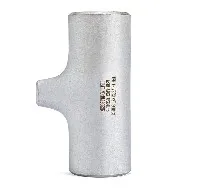
The pressure rating of butt weld fittings is a critical aspect that directly influences their performance and safety in various piping systems. As a supplier of butt weld fittings, I understand the importance of providing clear and accurate information about pressure ratings to our customers. In this blog post, I will delve into what the pressure rating of butt weld fittings is, how it is determined, and why it matters in real - world applications.

Understanding Pressure Rating
The pressure rating of butt weld fittings refers to the maximum amount of pressure that a fitting can safely withstand under specific conditions. It is typically expressed in units such as pounds per square inch (psi) or megapascals (MPa). This rating is not just a random number; it is a carefully calculated value based on multiple factors related to the fitting's design, material, and manufacturing process.
When a butt weld fitting is subjected to pressure beyond its rated capacity, it can lead to catastrophic failures such as leaks, bursts, or structural damage. These failures can have severe consequences, including property damage, environmental pollution, and even endangerment of human lives. Therefore, understanding and adhering to the pressure rating is of utmost importance for anyone involved in the design, installation, or maintenance of piping systems.
Factors Affecting Pressure Rating
Material Properties
The material from which the butt weld fitting is made plays a crucial role in determining its pressure rating. Different materials have different mechanical properties, such as tensile strength, yield strength, and ductility. For example, stainless steel is a popular choice for butt weld fittings due to its excellent corrosion resistance and high strength. Stainless Steel Tee and Stainless Steel Reducer Tee made from high - quality stainless steel grades can withstand relatively high pressures. The chemical composition of the material also affects its performance under pressure. For instance, alloys with specific elements can enhance the material's resistance to creep and fatigue, which are important factors when the fitting is exposed to long - term or cyclic pressure.
Wall Thickness
The wall thickness of the butt weld fitting is another significant factor. A thicker wall can generally withstand higher pressures because it provides more material to resist the internal forces exerted by the fluid or gas within the piping system. During the manufacturing process, the wall thickness is carefully controlled to meet the required pressure rating. However, it's important to note that simply increasing the wall thickness is not always the most cost - effective or practical solution. Designers need to balance the wall thickness with other factors such as the overall weight of the piping system and the available space.
Design and Geometry
The design and geometry of the butt weld fitting can also impact its pressure rating. For example, a well - designed fitting with smooth transitions and proper radii can distribute the pressure more evenly, reducing stress concentrations. Fittings with complex geometries or sharp corners may experience higher stress levels, which can lower their pressure - bearing capacity. Additionally, the type of butt weld joint used (such as a full - penetration weld) can affect the integrity of the fitting and its ability to withstand pressure.
Determination of Pressure Rating
The pressure rating of butt weld fittings is determined through a combination of theoretical calculations and practical testing. Standards organizations such as the American Society of Mechanical Engineers (ASME) and the International Organization for Standardization (ISO) have developed comprehensive codes and standards that provide guidelines for calculating pressure ratings based on the material, wall thickness, and design of the fittings.
These calculations take into account factors such as the allowable stress of the material at a given temperature, the safety factor, and the expected service conditions. For example, ASME B16.9 provides rules for the manufacture and pressure rating of factory - made wrought butt - welding fittings.
In addition to theoretical calculations, physical testing is also conducted to verify the pressure rating. This may involve subjecting the fitting to hydrostatic testing, where it is filled with a liquid (usually water) and pressurized to a specified level for a certain period of time. The fitting is then inspected for any signs of leakage or deformation. Non - destructive testing methods such as ultrasonic testing and radiographic testing may also be used to detect any internal defects that could affect the pressure rating.
Importance of Pressure Rating in Applications
Industrial Applications
In industrial settings such as oil and gas refineries, chemical plants, and power generation facilities, butt weld fittings are used in high - pressure piping systems. These systems transport various fluids and gases, including corrosive chemicals, flammable substances, and high - temperature steam. Adhering to the correct pressure rating is essential to ensure the safe and reliable operation of these facilities. For example, in an oil refinery, a Stainless Steel Reducer Tee used in a high - pressure pipeline must be able to withstand the pressure exerted by the flowing crude oil or refined products. Failure to use a fitting with the appropriate pressure rating could lead to a leak or explosion, causing significant damage to the facility and endangering the lives of workers.
Commercial and Residential Applications
Even in commercial and residential buildings, pressure ratings are important. For instance, in a building's plumbing system, butt weld fittings are used to connect pipes that carry water or gas. A fitting with an insufficient pressure rating could result in leaks, which can cause water damage to the building's structure and fixtures. In heating, ventilation, and air - conditioning (HVAC) systems, proper pressure - rated fittings are necessary to ensure the efficient and safe operation of the system.

How We Ensure Quality Pressure - Rated Fittings
As a supplier of butt weld fittings, we take several steps to ensure that our products meet the required pressure ratings. First, we source high - quality materials from reputable suppliers. We conduct strict quality control checks on the incoming materials to verify their chemical composition and mechanical properties.
During the manufacturing process, we follow industry - standard procedures and use advanced manufacturing techniques to ensure the proper wall thickness and design of the fittings. Our production facilities are equipped with state - of - the - art machinery and equipment, and our skilled workers are trained to produce fittings with high precision.

After production, each fitting undergoes a series of tests, including hydrostatic testing and non - destructive testing. We also maintain detailed records of the manufacturing and testing processes for each fitting, allowing us to provide traceability and quality assurance to our customers.

Contact Us for Your Fitting Needs
If you are in the market for high - quality butt weld fittings with accurate pressure ratings, we invite you to contact us. Our team of experts can assist you in selecting the right fittings for your specific application, taking into account factors such as pressure requirements, material compatibility, and budget. Whether you need Stainless Steel Tee, Stainless Steel Reducer Tee, or other types of butt weld fittings, we have the products and knowledge to meet your needs. Start a conversation with us today to discuss your project requirements and explore how our fittings can contribute to the success and safety of your piping system.
References
- American Society of Mechanical Engineers (ASME). B16.9 - Factory - Made Wrought Butt - Welding Fittings.
- International Organization for Standardization (ISO). Piping components standards related to butt weld fittings.