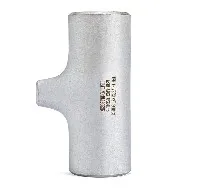
As a supplier of buttweld elbows, I understand the critical importance of safety during the installation and maintenance processes. Buttweld elbows are widely used in various industries, including oil and gas, chemical, and water treatment, to change the direction of fluid flow in piping systems. However, improper installation and maintenance can lead to accidents, which may result in property damage, injuries, and even loss of life. In this blog post, I will share some essential tips on how to prevent accidents during the installation and maintenance of buttweld elbows.
Pre - installation Preparation
Before starting the installation of buttweld elbows, it is crucial to conduct a thorough site assessment. This includes checking the condition of the piping system, the surrounding environment, and any potential hazards. Ensure that the installation site is clean, dry, and free from any debris or obstacles that could interfere with the installation process.
Proper training of the installation team is also vital. All workers involved in the installation should be well - trained in welding techniques, safety procedures, and the use of personal protective equipment (PPE). They should be familiar with the specific requirements of buttweld elbow installation, such as the correct alignment, welding parameters, and testing methods.
Inspect the buttweld elbows carefully before installation. Check for any signs of damage, such as cracks, dents, or corrosion. Ensure that the elbows meet the required specifications in terms of size, material, and pressure rating. For example, if you are using a Steel Pipe 90 Degree Elbow, make sure it is suitable for the intended application and the fluid it will carry.
Installation Process
During the installation, proper alignment of the buttweld elbows is essential. Misalignment can cause stress concentrations in the piping system, leading to premature failure. Use alignment tools, such as clamps and fixtures, to ensure accurate alignment. The ends of the pipes and elbows should be properly beveled and cleaned to ensure a good weld joint.
Welding is a critical step in the installation of buttweld elbows. Use the appropriate welding process and filler material based on the material of the elbows and the pipes. Follow the recommended welding procedures and parameters to ensure a strong and reliable weld. For example, when welding a 304 Buttweld Elbow, use a welding process and filler material that are compatible with stainless steel 304.
After welding, perform non - destructive testing (NDT) to check the quality of the weld. Common NDT methods include ultrasonic testing (UT), radiographic testing (RT), and magnetic particle testing (MT). These tests can detect internal and surface defects in the weld, such as cracks, porosity, and lack of fusion. If any defects are found, they should be repaired immediately before the piping system is put into service.
Maintenance Procedures
Regular maintenance of buttweld elbows is necessary to ensure their long - term performance and safety. Establish a maintenance schedule based on the operating conditions of the piping system. This may include visual inspections, pressure testing, and corrosion monitoring.
During visual inspections, check for any signs of leakage, corrosion, or mechanical damage. Look for discoloration, rust, or abnormal wear on the surface of the elbows. If any issues are detected, take appropriate measures to address them promptly.
Pressure testing is an important part of maintenance. Periodically test the piping system to ensure that it can withstand the design pressure. This helps to identify any potential leaks or weaknesses in the system. However, pressure testing should be carried out in accordance with the relevant standards and procedures to avoid over - pressurization and damage to the system.
Corrosion is a common problem in piping systems, especially in environments where the fluid is corrosive. Implement corrosion prevention measures, such as coating the elbows with anti - corrosion paint or using corrosion - resistant materials. For example, a weldable 90 elbow made of stainless steel is more resistant to corrosion compared to carbon steel elbows in many applications.
Safety Precautions
Throughout the installation and maintenance processes, safety should always be the top priority. Provide appropriate PPE to all workers, including welding helmets, gloves, safety glasses, and protective clothing. Ensure that the work area is well - ventilated to prevent the accumulation of harmful fumes and gases during welding.
Use proper lifting equipment when handling buttweld elbows and pipes. Make sure that the lifting equipment is in good condition and rated for the weight of the components. Follow the correct lifting procedures to avoid accidents, such as dropping or tipping of the equipment.
Establish clear safety procedures and emergency response plans. Train all workers on these procedures so that they know what to do in case of an accident or emergency. Provide first - aid kits and fire - fighting equipment in the work area.


Post - installation and Maintenance Checks
After the installation is completed, conduct a final inspection of the piping system. Check for any loose connections, improper welding, or other issues. Test the system to ensure that it operates smoothly and there are no leaks.
During maintenance, keep detailed records of all inspections, tests, and repairs. These records can help to track the history of the buttweld elbows and the piping system, and can be used for future reference and decision - making.
Conclusion
Preventing accidents during the installation and maintenance of buttweld elbows requires a comprehensive approach that includes proper preparation, careful installation, regular maintenance, and strict safety measures. By following these guidelines, you can ensure the safe and reliable operation of your piping system.
If you are in need of high - quality buttweld elbows for your projects, we are here to provide you with the best products and services. Our buttweld elbows are manufactured to the highest standards and are suitable for a wide range of applications. We are committed to your safety and satisfaction. Contact us for more information and to discuss your specific requirements. We look forward to partnering with you in your next project.
References
- ASME B31.3 Process Piping Code
- API 5L Specification for Line Pipe
- AWS D1.1 Structural Welding Code - Steel