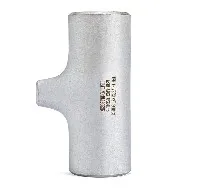
As a supplier of 304 stainless steel elbows, ensuring the tightness of the connections is of utmost importance. Not only does it guarantee the smooth operation of various systems but also enhances the overall safety and durability of the pipelines. In this blog, I'll share some key methods and considerations to ensure the tightness of 304 stainless steel elbow connections.
1. Material Selection and Inspection
- High - Quality 304 Stainless Steel
The foundation of a tight connection starts with the material itself. 304 stainless steel is a popular choice due to its excellent corrosion resistance, good formability, and strength. When sourcing materials, it's crucial to select high - quality 304 stainless steel that meets relevant industry standards. For example, it should have the correct chemical composition, with appropriate amounts of chromium and nickel, which contribute to its corrosion - resistant properties. - Pre - installation Inspection
Before installation, a thorough inspection of the elbows is necessary. Check for any visible defects such as cracks, scratches, or uneven surfaces. These flaws can compromise the tightness of the connection. Measure the dimensions of the elbows to ensure they match the specifications. Any deviation in size can lead to improper fitting and leakage.
2. Proper Cleaning and Preparation
- Surface Cleaning
The surfaces of the 304 stainless steel elbows that will be connected need to be clean. Remove any dirt, grease, rust, or oxide layers. This can be done using solvents, wire brushes, or sandpaper. A clean surface ensures better adhesion and a more secure connection. For example, if there is grease on the surface, it can prevent a proper seal during welding or when using gaskets. - Edge Preparation
If welding is the chosen method of connection, proper edge preparation is essential. Bevel the edges of the elbows according to the welding requirements. This allows for better penetration of the weld metal and a stronger joint. The bevel angle and width should be in line with the welding procedure specifications.
3. Connection Methods
- Welding
Welding is a common and reliable method for connecting 304 stainless steel elbows. Welding stainless steel elbow requires skill and the right equipment. There are different welding processes available, such as TIG (Tungsten Inert Gas) welding and MIG (Metal Inert Gas) welding.- TIG Welding: It provides precise control over the welding process, resulting in high - quality welds with good appearance. It is suitable for thin - walled elbows and applications where a clean weld is required.
- MIG Welding: This process is faster and can be used for thicker - walled elbows. However, it requires proper shielding gas to prevent oxidation and ensure a sound weld.
During welding, it's important to maintain the correct welding parameters, such as current, voltage, and welding speed. Improper parameters can lead to defects like porosity, lack of fusion, or cracking, which can affect the tightness of the connection.
- Flange Connection
Flange connections are another option for joining 304 stainless steel elbows. A flange is a flat, circular plate with holes around the perimeter. Gaskets are used between the flanges to create a seal. Select the appropriate gasket material based on the application, such as rubber, graphite, or PTFE. The bolts used to tighten the flanges should be torqued to the correct value. Under - tightening can result in leakage, while over - tightening can damage the gaskets or the flanges. - Threaded Connection
Threaded connections are suitable for smaller - diameter elbows. The threads on the elbows and the mating parts should be clean and free from damage. Use thread - sealing compounds to prevent leakage. Apply the compound evenly on the threads before assembly. However, threaded connections may not be as reliable as welding or flange connections in high - pressure or high - temperature applications.
4. Quality Control during Installation
- Alignment
Proper alignment of the 304 stainless steel elbows is crucial during installation. Misaligned elbows can cause stress concentration at the connection points, leading to premature failure and leakage. Use alignment tools such as laser alignment devices or straightedges to ensure that the elbows are in the correct position. - Inspection during Assembly
Regularly inspect the connection during the assembly process. Check for any signs of misfit, such as gaps between the mating surfaces. If a problem is detected, stop the installation and correct it immediately. For example, if there is a small gap during a flange connection, it can be adjusted by adding or removing shims.
5. Testing after Installation
- Pressure Testing
After the installation of the 304 stainless steel elbow connections, perform pressure testing. This involves filling the pipeline system with a test fluid (usually water or air) and applying a specified pressure for a certain period. Monitor the system for any pressure drops or leaks. If a leak is detected, mark the location and repair it. Pressure testing helps to ensure the integrity of the connections and the overall pipeline system. - Visual Inspection
Conduct a visual inspection of the connections after pressure testing. Look for any signs of deformation, cracking, or leakage. Check the welds for any surface defects. A visual inspection can identify potential problems that may not be detected by pressure testing alone.
6. Maintenance and Monitoring
- Regular Inspections
Even after successful installation and testing, regular inspections of the 304 stainless steel elbow connections are necessary. Over time, factors such as vibration, temperature changes, and corrosion can affect the tightness of the connections. Inspect the connections at regular intervals to detect any early signs of damage or leakage. - Corrosion Protection
304 stainless steel is corrosion - resistant, but in certain environments, additional corrosion protection may be required. Apply protective coatings or use cathodic protection methods to extend the service life of the elbows and maintain the tightness of the connections.
In conclusion, ensuring the tightness of 304 stainless steel elbow connections requires a comprehensive approach, from material selection to post - installation maintenance. By following these steps, you can minimize the risk of leakage and ensure the long - term performance of your pipeline systems.


If you are in need of high - quality 304 stainless steel elbows or have any questions about their installation and connection, feel free to contact us for procurement and further discussion. We also offer related products such as Stainless Steel Equal Tee and 90 Degree Steel Tube Elbow to meet your different project requirements.
References
- ASME B31.3 Process Piping Code
- AWS D1.6 Structural Welding Code - Stainless Steel
- API 6D Specification for Pipeline Valves