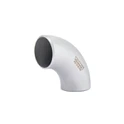
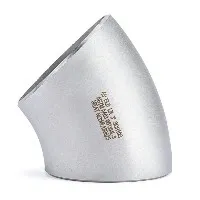
As a supplier of stainless steel elbows, I often encounter inquiries from customers about the special requirements for the installation environment of these essential piping components. Stainless steel elbows are widely used in various industries due to their corrosion resistance, durability, and strength. However, to ensure their optimal performance and longevity, it is crucial to consider the installation environment carefully. In this blog post, I will discuss the key factors that need to be taken into account when installing stainless steel elbows.
Temperature and Pressure
One of the primary considerations for the installation environment of stainless steel elbows is the temperature and pressure of the fluid or gas flowing through the pipeline. Different grades of stainless steel have varying temperature and pressure ratings, and it is essential to select the appropriate grade based on the specific application. For example, in high-temperature applications, such as in power plants or chemical processing facilities, austenitic stainless steels like 304 or 316 are commonly used due to their excellent resistance to oxidation and high-temperature strength.
In addition to the operating temperature, the installation environment may also be subject to temperature fluctuations. These fluctuations can cause thermal expansion and contraction, which can put stress on the elbows. To mitigate this issue, expansion joints or flexible connectors may be required to accommodate the movement and prevent damage to the piping system.
Similarly, the pressure of the fluid or gas in the pipeline can also affect the performance of the stainless steel elbows. High-pressure applications require elbows with thicker walls and stronger materials to withstand the forces exerted on them. It is important to ensure that the elbows are rated for the maximum pressure expected in the system to avoid leaks or failures.
Corrosion Resistance
Another critical factor in the installation environment of stainless steel elbows is the presence of corrosive substances. Stainless steel is known for its corrosion resistance, but not all grades are suitable for all environments. The corrosion resistance of stainless steel depends on the alloy composition, the presence of other elements such as chromium and nickel, and the surface finish.
In environments where there is a high risk of corrosion, such as in coastal areas or chemical plants, it is important to choose a stainless steel grade with a high level of corrosion resistance. For example, duplex stainless steels are often used in these applications due to their excellent resistance to pitting, crevice corrosion, and stress corrosion cracking.
In addition to the alloy composition, the surface finish of the stainless steel elbows can also affect their corrosion resistance. A smooth surface finish can help to prevent the accumulation of dirt, debris, and corrosive substances, which can reduce the risk of corrosion. It is recommended to use elbows with a polished or passivated surface finish to enhance their corrosion resistance.


Chemical Compatibility
The chemical compatibility of the stainless steel elbows with the fluid or gas flowing through the pipeline is also an important consideration. Certain chemicals can react with stainless steel, causing corrosion or other forms of damage. It is important to ensure that the elbows are compatible with the specific chemicals in the system to avoid any potential issues.
Before installing stainless steel elbows, it is advisable to consult with a chemical engineer or a materials expert to determine the compatibility of the materials with the chemicals in the pipeline. They can provide guidance on the appropriate grade of stainless steel and any additional protective measures that may be required.
Installation Space and Accessibility
The installation space and accessibility of the stainless steel elbows are also important factors to consider. The elbows need to be installed in a location where there is enough space for proper installation and maintenance. They should also be easily accessible for inspection, cleaning, and repair.
In some cases, the installation space may be limited, which can make it challenging to install the elbows. In these situations, it may be necessary to use special installation techniques or equipment to ensure that the elbows are installed correctly. It is also important to consider the future expansion or modification of the piping system when planning the installation of the elbows.
Vibration and Movement
Vibration and movement in the piping system can also affect the performance of the stainless steel elbows. Excessive vibration can cause fatigue and stress on the elbows, leading to premature failure. To reduce the impact of vibration, it is important to ensure that the piping system is properly supported and secured.
In addition to vibration, movement in the piping system due to thermal expansion, seismic activity, or other factors can also put stress on the elbows. Flexible connectors or expansion joints can be used to accommodate the movement and prevent damage to the elbows.
Conclusion
In conclusion, there are several special requirements for the installation environment of stainless steel elbows. Temperature, pressure, corrosion resistance, chemical compatibility, installation space, accessibility, vibration, and movement are all important factors that need to be considered to ensure the optimal performance and longevity of the elbows. As a supplier of stainless steel elbows, I recommend working closely with customers to understand their specific requirements and provide them with the appropriate products and solutions.
If you are in need of high-quality stainless steel elbows for your project, please feel free to contact us for more information. We offer a wide range of Steel 90 Degree Elbow, Butt Weld 90 Degree Elbow, and Stainless Steel Socket Elbow to meet your specific needs. Our team of experts can help you select the right products and provide you with professional installation and after-sales service.
References
- ASME B16.9 - Factory-Made Wrought Buttwelding Fittings
- ASTM A403 - Standard Specification for Wrought Austenitic Stainless Steel Piping Fittings
- NACE International - Corrosion Control for the Oil and Gas Industry