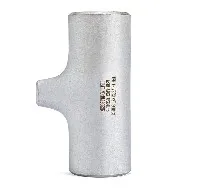
Can I use a stainless steel pipe tee in a pneumatic system? That's a question I get a lot as a stainless steel pipe tee supplier. In this blog, I'll share my thoughts and insights on whether stainless steel pipe tees are a good fit for pneumatic systems.
First off, let's talk about what a pneumatic system is. It's a system that uses compressed air to transmit and control energy. These systems are used in a wide range of industries, from manufacturing and automation to automotive and aerospace. Pneumatic systems rely on pipes, valves, and fittings to transport the compressed air efficiently and safely.


Now, when it comes to choosing the right fittings for a pneumatic system, there are several factors to consider. One of the most important is the material of the fitting. Stainless steel is a popular choice for many applications, and for good reason. It's strong, durable, and resistant to corrosion, making it ideal for use in harsh environments.
Stainless steel pipe tees, in particular, have a lot going for them in a pneumatic system. They're designed to connect three pipes at a 90-degree angle, allowing for the easy distribution of compressed air. This makes them essential for creating complex pneumatic circuits and ensuring that air flows smoothly throughout the system.
One of the key benefits of using stainless steel pipe tees in a pneumatic system is their resistance to corrosion. Compressed air can contain moisture and other contaminants that can cause corrosion in some materials. Stainless steel, however, is highly resistant to corrosion, which means it can withstand the harsh conditions of a pneumatic system without deteriorating over time.
Another advantage of stainless steel pipe tees is their strength. Pneumatic systems operate under high pressure, and the fittings need to be able to withstand this pressure without leaking or failing. Stainless steel is a strong and reliable material that can handle the high pressures of a pneumatic system, ensuring that the system operates safely and efficiently.
In addition to their strength and corrosion resistance, stainless steel pipe tees are also easy to install and maintain. They can be welded or threaded onto the pipes, depending on the specific requirements of the system. And because they're made of stainless steel, they require minimal maintenance, which can save time and money in the long run.
But like any material, stainless steel pipe tees also have some limitations. One of the main drawbacks is their cost. Stainless steel is more expensive than some other materials, such as carbon steel or PVC. This means that using stainless steel pipe tees in a pneumatic system can increase the overall cost of the system.
Another limitation is their weight. Stainless steel is a relatively heavy material, which can make it more difficult to install and transport. This can be a concern in applications where weight is a critical factor, such as in aerospace or automotive industries.
So, can you use a stainless steel pipe tee in a pneumatic system? The answer is yes, in most cases. Stainless steel pipe tees offer many benefits, including corrosion resistance, strength, and ease of installation and maintenance. However, you need to consider the specific requirements of your system and weigh the pros and cons before making a decision.
If you're looking for high-quality stainless steel pipe tees for your pneumatic system, I recommend checking out our Stainless Steel Tee and Stainless Steel Tee Fittings products. We also offer 304 Stainless Steel Reducer Tee for applications where you need to connect pipes of different sizes.
If you have any questions or need help choosing the right stainless steel pipe tees for your pneumatic system, don't hesitate to contact us. We're here to help you find the best solutions for your needs and ensure that your pneumatic system operates safely and efficiently.
In conclusion, stainless steel pipe tees can be a great choice for a pneumatic system, but it's important to consider the specific requirements of your system and weigh the pros and cons before making a decision. With the right fittings and proper installation and maintenance, your pneumatic system can operate smoothly and efficiently for years to come.
References:
- Pneumatic System Basics: A Guide to Understanding and Designing Pneumatic Systems, published by [Publisher Name]
- Stainless Steel Handbook: Properties, Applications, and Fabrication, published by [Publisher Name]