Hey there! As a supplier of butt weld fittings, I've been dealing with all sorts of these parts for years. One question that often pops up is about the significance of the radius in butt weld elbows. So, let's dive right in and break it down.
First off, what exactly are butt weld elbows? Well, they're those curved fittings that you use to change the direction of a pipeline. You weld them directly to the pipes, and they're super important in all kinds of piping systems, from industrial setups to plumbing in buildings.
Now, let's talk about the radius. The radius of a butt weld elbow is the distance from the center of the curve to the centerline of the pipe. It might seem like a small detail, but it actually has a huge impact on how the elbow works and where you can use it.
One of the most important things the radius affects is the flow of fluid or gas through the pipeline. A larger radius elbow allows for a smoother flow. Think of it like a highway on - ramp. A wide, gently - curved on - ramp lets cars merge smoothly into traffic without having to slow down too much. Similarly, in a pipeline, a large - radius elbow reduces the turbulence of the fluid or gas flowing through it. This is crucial in applications where you need to maintain a consistent flow rate, like in chemical processing plants or oil refineries. Less turbulence means less energy loss, which can save a lot of money in the long run.
On the other hand, a small - radius elbow is more compact. It's great when you're working in tight spaces where you don't have a lot of room for a large, sweeping curve. For example, in some building plumbing systems, where pipes need to navigate around structural elements or other utilities, small - radius elbows can be a lifesaver. They allow you to change the direction of the pipe quickly and efficiently, even in a confined area.
Another aspect to consider is the stress distribution. When fluid or gas flows through an elbow, it creates stress on the walls of the fitting. A larger radius distributes this stress more evenly over the surface of the elbow. This reduces the risk of fatigue and failure over time. In high - pressure applications, like in power plants or offshore oil platforms, this even stress distribution is essential for the long - term reliability of the pipeline. Small - radius elbows, however, concentrate the stress in a smaller area. This means they need to be made of stronger materials or be thicker to withstand the same amount of pressure as a large - radius elbow.
The radius also affects the manufacturing process. Making a large - radius elbow requires more material and more complex forming techniques. The bending process needs to be carefully controlled to ensure that the curve is smooth and consistent. This can increase the cost of production. Small - radius elbows, on the other hand, are generally easier and cheaper to manufacture. They can be produced more quickly, which can be an advantage if you need a large quantity of fittings in a short time.


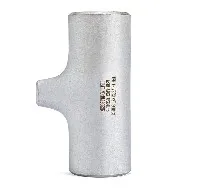
Now, depending on your specific needs, you might be interested in other types of butt weld fittings too. For instance, Stainless Steel Tee Fittings are great for creating branches in a pipeline. They allow you to connect three pipes at a 90 - degree angle, which is useful in many different applications. Stainless Steel Tee is another option. It's similar to the tee fitting but might have different specifications depending on your requirements. And if you need to change the size of the pipe at a branch, Stainless Steel Reducer Tee is the way to go.
As a butt weld fittings supplier, I've seen firsthand how important it is to choose the right radius for your elbows. It's not just about getting the job done; it's about getting it done right. Whether you're a contractor working on a new building project, an engineer designing an industrial pipeline, or a maintenance worker looking to replace a worn - out fitting, understanding the significance of the radius in butt weld elbows can make a big difference.
If you're in the market for butt weld fittings, including elbows with the right radius for your needs, don't hesitate to reach out. We've got a wide range of products to suit different applications and budgets. Whether you need a small - batch order for a DIY project or a large - scale supply for an industrial venture, we can help. Just get in touch, and we'll work with you to find the perfect solutions for your piping system.
References
- "Piping Handbook" by Cameron Engineering and Associates
- "Pipe Fittings Handbook" by Peter Spitzer
- Industry standards and guidelines from relevant organizations such as ASME and ASTM