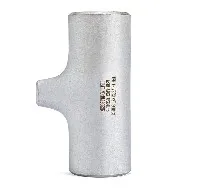
Hey there! As a supplier of stainless pipe flanges, I've been thinking a lot about the environmental impact of what we do. Stainless pipe flanges are essential components in various industries, from construction to oil and gas. But let's face it, manufacturing these things isn't exactly a walk in the park for the environment. So, let's dig into what's going on behind the scenes.
First off, let's talk about the raw materials. Stainless steel, the main ingredient for our pipe flanges, is made primarily from iron ore, chromium, nickel, and a few other elements. Mining these raw materials has a huge environmental footprint. Iron ore mining, for example, involves large - scale excavation of the earth. This can lead to deforestation, soil erosion, and the destruction of natural habitats. Animals lose their homes, and the delicate balance of ecosystems is disrupted.
Chromium and nickel mining also come with their own set of problems. These metals are often found in areas with rich biodiversity. The extraction process can contaminate water sources with heavy metals. This pollution is not only bad for aquatic life but also for people living nearby who rely on these water sources for drinking and farming.
Once the raw materials are mined, they need to be transported to the manufacturing facilities. Most of this transportation is done by trucks, trains, or ships, which run on fossil fuels. Burning fossil fuels releases a ton of greenhouse gases, like carbon dioxide (CO2), into the atmosphere. CO2 is a major contributor to global warming, and the more we pump it out, the more the planet heats up.
Now, let's get to the manufacturing process itself. Making stainless pipe flanges involves several energy - intensive steps. First, the raw materials are melted in high - temperature furnaces. These furnaces typically use coal, natural gas, or electricity generated from non - renewable sources. The high temperatures required to melt the metals consume a massive amount of energy, and as a result, a large amount of CO2 is emitted.
After melting, the molten metal is shaped into the desired flange form. This can be done through processes like forging or casting. Forging involves applying high pressure to the metal, which requires powerful machinery that also consumes a lot of energy. Casting, on the other hand, involves pouring the molten metal into molds. This process also needs energy to keep the metal in a molten state and to operate the equipment.

During the manufacturing process, there are also waste products generated. For example, slag is a by - product of the melting process. Slag contains various metals and impurities, and if not properly managed, it can leach into the soil and water, causing pollution. There are also some chemical substances used in the production, such as lubricants and cleaning agents, which can be harmful to the environment if they are released without proper treatment.
But it's not all doom and gloom. At our company, we're constantly looking for ways to reduce our environmental impact. We're exploring the use of recycled stainless steel. Recycling stainless steel uses a lot less energy compared to producing it from raw materials. When we recycle, we're not only saving energy but also reducing the need for new mining, which helps preserve natural habitats.
We're also looking into more energy - efficient manufacturing technologies. For example, we're considering upgrading our furnaces to ones that use less fuel and emit fewer pollutants. And we're working on better waste management systems to ensure that any waste products are properly treated and disposed of.
Now, let's talk about the end - of - life phase of stainless pipe flanges. Stainless steel is a highly recyclable material. When a pipe flange reaches the end of its useful life, it can be recycled and turned into new products. This is a huge plus for the environment because it reduces the demand for virgin raw materials and saves energy.
However, the recycling process also has its challenges. Sometimes, the flanges may be contaminated with other materials, which can make the recycling process more difficult and energy - consuming. But with proper sorting and pre - treatment, we can overcome these challenges and make the most of the recyclability of stainless steel.

If you're in the market for high - quality Stainless Steel Round Pipe, Stainless Steel Round Pipe, or Stainless Steel Round Pipe, we've got you covered. We're committed to providing top - notch products while also doing our part for the environment.
We understand that environmental concerns are on everyone's mind these days, and we're here to be a responsible supplier. Whether you're a construction company, an oil and gas firm, or any other business that needs stainless pipe flanges, we can work together to make your projects more sustainable.
If you're interested in learning more about our products or want to discuss a potential purchase, don't hesitate to reach out. We're always happy to have a chat and see how we can meet your needs.

In conclusion, while the manufacturing of stainless pipe flanges has a significant environmental impact, there are steps that we can take to mitigate it. By using recycled materials, improving energy efficiency, and proper waste management, we can make the production process more sustainable. And at the end of the day, the recyclability of stainless steel gives us hope for a more circular economy.

References
- "Environmental Impacts of Mining." United Nations Environment Programme.
- "Energy Efficiency in the Steel Industry." International Energy Agency.
- "Recycling of Stainless Steel." The Nickel Institute.