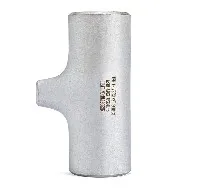
Hey there! As a supplier of butt weld tees, I've seen firsthand how crucial it is to store these fittings properly to prevent rusting. Rust not only affects the appearance of the tees but also compromises their structural integrity and performance. In this blog post, I'll share some key requirements for the storage environment of butt weld tees to keep them in top - notch condition.
Temperature Control
The temperature of the storage area plays a huge role in preventing rust on butt weld tees. Generally, a stable and moderate temperature is ideal. Extreme temperatures can cause condensation on the surface of the tees, which is a major contributor to rust formation.
For instance, if the storage area is too cold, moisture in the air can condense on the tees when they are exposed to warmer air. On the other hand, high temperatures can accelerate the oxidation process, leading to faster rusting. I recommend keeping the storage temperature between 10°C and 30°C (50°F and 86°F). This range helps to minimize the risk of condensation and slows down the chemical reactions that cause rust.
Humidity Management
Humidity is another critical factor. High humidity levels mean there's more moisture in the air, and this moisture can settle on the surface of the butt weld tees. When water comes into contact with the metal, it starts the rusting process.
To manage humidity, you can use dehumidifiers in the storage area. Aim for a relative humidity level of less than 60%. If the humidity is consistently above this level, it's like giving an open invitation to rust. You can also monitor the humidity regularly using a hygrometer. This simple device can help you keep track of the moisture in the air and take appropriate action when needed.

Ventilation
Proper ventilation is essential for a good storage environment. Stagnant air can trap moisture and heat, creating a breeding ground for rust. By having good ventilation, you can circulate fresh air through the storage area, which helps to remove excess moisture and prevent the buildup of heat.
You can install fans or vents in the storage space to ensure adequate air movement. This not only helps with rust prevention but also improves the overall air quality in the area. Make sure the ventilation system is designed in a way that it doesn't bring in a lot of dust or pollutants, as these can also damage the tees over time.
Clean Storage Area
The cleanliness of the storage area matters a great deal. A dirty environment can introduce contaminants to the surface of the butt weld tees. Dust, dirt, and chemicals can all react with the metal and start the rusting process.
Regularly clean the storage area to remove any debris. Sweep the floors, wipe down the shelves, and make sure there are no spills or leaks. If possible, use a clean - room approach where the storage area is protected from outside contaminants. You can also cover the tees with clean, protective sheets to keep them away from dust and dirt.
Separation and Support
When storing butt weld tees, it's important to separate them properly. If the tees are stacked too closely together or in a way that they rub against each other, it can damage the protective coating on the surface, making them more susceptible to rust.
Use appropriate storage racks or pallets to keep the tees separated. You can also use soft padding between the tees to prevent scratching. Additionally, make sure the tees are properly supported. Uneven support can cause stress on the tees, which may lead to cracks or other damage that can promote rusting.
Protection from Chemicals
Butt weld tees should be stored away from any chemicals that can cause corrosion. Chemicals such as acids, alkalis, and salts can react with the metal and accelerate the rusting process.
If there are any chemical storage areas nearby, make sure there is a proper barrier between them and the butt weld tees. Also, be careful when using cleaning agents in the storage area. Choose mild, non - corrosive cleaners to avoid any damage to the tees.

Coating Maintenance
Many butt weld tees come with a protective coating that helps prevent rust. It's important to maintain this coating during storage. Check the coating regularly for any signs of damage, such as scratches or chips.
If you notice any damage, you can touch up the coating using a compatible paint or coating product. This will help to restore the protective barrier and keep the tees rust - free.
Regular Inspection
Last but not least, regular inspection is a must. Even if you've set up the perfect storage environment, things can still go wrong. Inspect the butt weld tees regularly for any signs of rust or damage.
If you catch rust early, you can take steps to remove it and prevent it from spreading. You can use a wire brush or sandpaper to remove minor rust spots, and then apply a rust - inhibiting primer and paint.
Now, if you're in the market for high - quality butt weld tees, we've got you covered. We offer a wide range of products, including Stainless Steel Tee Fittings, Stainless Steel Reducer Tee, and 304 Stainless Steel Reducer Tee. Our tees are made from top - grade materials and are designed to meet the highest industry standards.
If you're interested in purchasing our butt weld tees or have any questions about their storage or usage, don't hesitate to reach out. We're here to help you make the best choice for your project.
References
- Smith, J. (2020). "Best Practices for Metal Storage". Metalworking Magazine.
- Johnson, M. (2019). "Preventing Rust in Industrial Fittings". Industrial Solutions Journal.