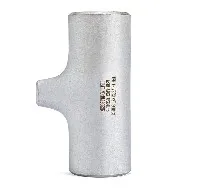
Hey there! I'm a supplier of stainless 90 degree elbows, and I often get asked about what goes into making these handy little things. So, I thought I'd take a few minutes to break down the chemical composition of a stainless 90 degree elbow.
First off, let's talk about what stainless steel is. Stainless steel is an alloy, which means it's a mixture of different metals. The main ingredient in stainless steel is iron, but it also contains other elements that give it its unique properties.
The most common type of stainless steel used in 90 degree elbows is 304 stainless steel. This type of stainless steel contains about 18% chromium and 8% nickel. Chromium is what gives stainless steel its corrosion resistance. When chromium is exposed to oxygen, it forms a thin layer of chromium oxide on the surface of the steel. This layer acts as a barrier, preventing oxygen and other corrosive substances from reaching the iron in the steel. Nickel, on the other hand, helps to improve the ductility and toughness of the steel. It also helps to enhance the corrosion resistance, especially in environments where there are chlorides present.
Another popular type of stainless steel for 90 degree elbows is 316L Stainless Steel Elbow. 316L stainless steel is similar to 304, but it contains a higher percentage of molybdenum, usually around 2 - 3%. Molybdenum significantly improves the steel's resistance to pitting and crevice corrosion, making it ideal for use in marine environments or other areas where there are high levels of chlorides. The "L" in 316L stands for low carbon. A lower carbon content reduces the risk of carbide precipitation during welding, which can lead to corrosion in the heat - affected zone.
There are also Stainless Steel Seamless Elbow options available. These elbows are made from seamless stainless steel pipes, which means they don't have a welded seam. The chemical composition of seamless elbows is similar to that of welded elbows, but seamless elbows often have better mechanical properties and a more uniform structure.
Now, let's talk about some of the other elements that can be found in stainless 90 degree elbows. Carbon is present in small amounts, usually less than 0.1%. Carbon helps to increase the strength of the steel, but too much carbon can make the steel brittle. Manganese is another element that is often added in small amounts. It helps to improve the hot - working properties of the steel and also acts as a deoxidizer.
Silicon is used as a deoxidizer and also helps to improve the oxidation resistance of the steel. Phosphorus and sulfur are considered impurities, and their content is usually kept as low as possible. High levels of phosphorus and sulfur can reduce the ductility and corrosion resistance of the steel.
In some cases, nitrogen may be added to the stainless steel. Nitrogen can improve the strength and corrosion resistance of the steel, especially in combination with other elements like chromium and nickel.


When it comes to 180 Degree Steel Pipe Elbow, the chemical composition is similar to that of 90 degree elbows. The main difference is in the shape and the way they are used in piping systems. 180 degree elbows are used when you need to reverse the direction of the flow in a pipe.
As a supplier, I understand the importance of getting the chemical composition right. The right combination of elements ensures that the elbows are strong, durable, and resistant to corrosion. Whether you're working on a small plumbing project or a large industrial installation, having high - quality stainless 90 degree elbows is crucial.
If you're in the market for stainless 90 degree elbows, I'd love to have a chat with you. I can provide you with detailed information about the chemical composition of the elbows we offer, as well as their mechanical properties and suitability for different applications. Don't hesitate to reach out if you have any questions or if you're ready to start a procurement process. We can work together to find the perfect elbows for your needs.
References:
- ASM Handbook Volume 1: Properties and Selection: Irons, Steels, and High - Performance Alloys
- Stainless Steel: A Technical Guide by The Nickel Institute