Hey there! I'm a supplier of butt weld fittings, and today I wanna chat about how to transport these fittings safely. It's super important because if they get damaged during transit, it can be a real headache for everyone involved - from us suppliers to you, the customers.
First things first, let's talk about packaging. Good packaging is like a protective shield for your butt weld fittings. You don't wanna just throw them in a box and hope for the best. I always make sure to use high - quality materials for packaging. For smaller fittings, I use bubble wrap. It's cheap, easy to use, and does a great job of cushioning the fittings from bumps and shocks. You can wrap each fitting individually, making sure every part is covered.
For larger butt weld fittings, I often use wooden crates. They're sturdy and can withstand a fair amount of rough handling. Before placing the fittings in the crate, I line the bottom with some soft padding, like foam or rubber mats. This helps absorb any impact that might occur during transportation. And when I stack the fittings inside the crate, I make sure they're not touching each other directly. I use dividers or more padding to keep them separated. This way, if one fitting moves around a bit, it won't scratch or damage the others.


Now, let's think about labeling. This might seem like a small thing, but it's actually crucial. On each package, I clearly label what's inside. I write down the type of fitting, its size, and any special handling instructions. For example, if a fitting is made of a particularly delicate material, I'll mark it as "Fragile" and write something like "Handle with Care". This helps the shipping company and everyone involved in the transportation process know how to treat the package properly.
When it comes to choosing a shipping method, there are a few options. If you're shipping locally or regionally, ground transportation is usually a good choice. Trucks are relatively stable, and you can often track the progress of your shipment. However, you need to make sure the truck is well - maintained and has a smooth ride. A bumpy truck can cause a lot of damage to the fittings.
For long - distance or international shipments, air freight or sea freight might be better. Air freight is fast, which means less time for the fittings to be at risk of damage. But it can be expensive. Sea freight, on the other hand, is more cost - effective for large shipments. However, it takes longer, and the fittings are exposed to the elements and the movement of the ship.
If you choose sea freight, it's important to make sure the container is properly sealed and protected. I always recommend using containers with climate control if possible. This can prevent issues like rusting, especially if the fittings are made of metals like stainless steel. You can check out our Stainless Steel Tee Fittings and 304 Stainless Steel Reducer Tee on our website. These are some of our popular products, and proper transportation is key to keeping them in top condition.
Another thing to consider is insurance. No matter how careful you are, accidents can happen during transportation. That's why I always advise my customers to get insurance for their shipments. It gives you peace of mind knowing that if something goes wrong, you're covered. You can work with your shipping company to figure out the best insurance option for your needs.
When loading and unloading the butt weld fittings, it's important to use the right equipment. Forklifts, cranes, and other lifting devices should be in good working condition. The operators should be trained to handle the fittings properly. For example, when using a forklift, the forks should be the right size and shape for the packages. If the forks are too big or too small, they can damage the packages or cause the fittings to fall.
Once the fittings arrive at their destination, it's a good idea to inspect them right away. Check for any signs of damage, like dents, scratches, or cracks. If you find any issues, document them immediately and contact the shipping company and your supplier. This way, you can start the claims process if necessary.
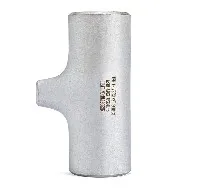
Now, let's talk about some specific types of butt weld fittings and their transportation requirements. Take the Stainless Steel Reducer Tee for example. These fittings are often used in plumbing and piping systems. They need to be protected from corrosion during transportation. As I mentioned earlier, using proper packaging and climate - controlled containers can help with this.
In addition, the shape of the reducer tee can make it a bit tricky to stack. You need to make sure they're stacked in a way that won't cause them to tip over or get crushed. I usually stack them in a pyramid - like shape, with the larger end at the bottom. This provides a stable base and reduces the risk of damage.
For elbows and couplings, which are also common butt weld fittings, they can be more prone to getting bent or twisted during transportation. So, when packaging them, I make sure to use extra padding around the curved parts. And when loading them, I place them in a way that they won't be subject to excessive pressure.
To sum it up, transporting butt weld fittings safely requires a combination of good packaging, proper labeling, the right shipping method, insurance, and careful handling during loading and unloading. By following these tips, you can minimize the risk of damage and ensure that your butt weld fittings arrive at their destination in perfect condition.
If you're in the market for high - quality butt weld fittings, I'd love to have a chat with you. Whether you need a small quantity for a DIY project or a large order for a commercial construction, I've got you covered. Just reach out, and we can start discussing your specific needs.
References
- General knowledge of shipping and packaging industry
- Experience as a butt weld fittings supplier