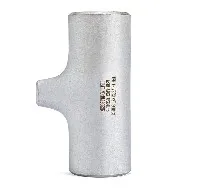
Hey there! As a supplier of stainless pipe flanges, I've had my fair share of experience in the marine industry. It's a wild and wonderful world out there, with some pretty specific requirements for the equipment we use. So, let's dive right in and talk about what it takes for stainless pipe flanges to cut it in marine applications.
Corrosion Resistance
First off, corrosion resistance is like the holy grail for stainless pipe flanges in the marine environment. The ocean is a harsh place, filled with saltwater, which is extremely corrosive. If your flanges can't stand up to the salt, they're going to start breaking down pretty quickly.
Stainless steel is a great choice because it contains chromium, which forms a passive oxide layer on the surface. This layer acts as a shield, protecting the metal from further corrosion. But not all stainless steels are created equal. For marine applications, we usually recommend grades like 316 and 316L. These grades have a higher molybdenum content, which gives them even better resistance to pitting and crevice corrosion in saltwater.
I remember one time, a customer came to me with a problem. Their old flanges were made of a lower-grade stainless steel, and they were rusting away after just a few months in the water. We swapped them out for 316L flanges, and they've been holding up great ever since. So, if you're in the market for marine flanges, make sure you go for a high-quality, corrosion-resistant stainless steel grade.
Strength and Durability
Marine applications can be pretty tough on equipment. Flanges need to be strong enough to withstand the high pressures and forces that come with operating in the ocean. Whether it's the pressure from the water itself or the forces generated by the ship's engines, your flanges need to be up to the task.
When it comes to strength, the thickness and design of the flange are crucial. You want a flange that's thick enough to handle the pressure, but not so thick that it becomes too heavy or expensive. The design also needs to be optimized for the specific application. For example, some flanges are designed to be welded directly to the pipe, while others are designed to be bolted on.
We've worked with a lot of shipbuilders over the years, and they always appreciate our attention to detail when it comes to strength and durability. We use advanced manufacturing techniques to ensure that our flanges are as strong and reliable as possible. And because we're a [Stainless Pipe Flanges Supplier], we can offer a wide range of flange sizes and designs to meet the specific needs of each customer.
Sealing Performance
Another important requirement for marine flanges is good sealing performance. A leaky flange can cause all sorts of problems, from loss of pressure to environmental contamination. In the marine environment, where every drop of water counts, a good seal is essential.
To achieve a good seal, you need to use the right gasket material. There are a lot of different gasket materials available, each with its own advantages and disadvantages. For marine applications, we usually recommend using a gasket material that's resistant to water, oil, and chemicals. Some common gasket materials include rubber, cork, and graphite.
We also pay close attention to the surface finish of our flanges. A smooth, flat surface is essential for a good seal. We use precision machining techniques to ensure that the surface of our flanges is as smooth as possible. And when it comes to installation, we always provide detailed instructions to make sure that the flanges are installed correctly and the gasket is properly compressed.


Compatibility with Other Components
In a marine system, flanges don't work alone. They need to be compatible with other components, such as pipes, valves, and pumps. This means that the flange size, bolt pattern, and pressure rating need to match the other components in the system.
For example, if you're using a Stainless Steel Round Pipe, you need to make sure that the flange has the right inside diameter to fit the pipe. You also need to make sure that the bolt pattern on the flange matches the bolt pattern on the valve or pump that you're connecting it to.
We've helped a lot of customers with compatibility issues over the years. Sometimes, they'll come to us with a system that's already installed, and they're having problems getting the flanges to fit properly. We'll work with them to figure out what the problem is and come up with a solution. Whether it's custom-making a flange or recommending a different type of gasket, we're always happy to help.
Compliance with Standards
Finally, marine flanges need to comply with a variety of industry standards. These standards are in place to ensure the safety and reliability of marine equipment. Some of the most common standards for marine flanges include ASTM, ASME, and ISO.
Compliance with these standards means that the flanges have been tested and certified to meet certain quality and performance requirements. When you're buying marine flanges, it's important to make sure that they're compliant with the relevant standards. This will give you peace of mind knowing that you're getting a high-quality product that's safe and reliable.
We take compliance very seriously at our company. All of our flanges are manufactured in accordance with the latest industry standards. We have a team of quality control experts who inspect every flange before it leaves our factory to make sure that it meets our high standards of quality.
Conclusion
So, there you have it! Those are the main requirements for stainless pipe flanges in marine applications. Corrosion resistance, strength and durability, sealing performance, compatibility with other components, and compliance with standards are all essential factors to consider when choosing marine flanges.
If you're in the market for high-quality stainless pipe flanges for your marine application, look no further. As a [Stainless Pipe Flanges Supplier], we have the expertise and experience to provide you with the best flanges for your needs. Whether you're building a new ship or replacing old flanges on an existing vessel, we can help.
Just give us a call or send us an email, and we'll be happy to discuss your requirements and provide you with a quote. We're always here to help you find the right flanges for your marine application.
References
- ASTM International. (Year). Standard Specification for Stainless Steel Pipe Flanges.
- ASME. (Year). Boiler and Pressure Vessel Code, Section VIII, Division 1.
- ISO. (Year). International Standard for Flanges for Pipes and Fittings.