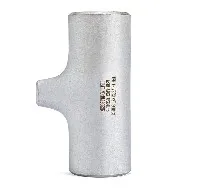
Butt weld fittings are essential components in various industries, including oil and gas, chemical processing, and construction. These fittings are used to connect pipes, change the direction of flow, or reduce the pipe diameter. As a trusted butt weld fittings supplier, I am excited to share with you the manufacturing processes involved in creating these high-quality products.
Material Selection
The first step in manufacturing butt weld fittings is selecting the appropriate material. The choice of material depends on several factors, such as the application, operating conditions, and budget. Common materials used for butt weld fittings include stainless steel, carbon steel, alloy steel, and nickel alloys.
Stainless steel is a popular choice due to its corrosion resistance, high strength, and aesthetic appeal. It is commonly used in applications where hygiene and durability are crucial, such as food processing and pharmaceutical industries. 304 Stainless Steel Reducer Tee and 316 Stainless Steel Pipe Tee are examples of stainless steel butt weld fittings that offer excellent corrosion resistance in various environments.
Carbon steel is another widely used material for butt weld fittings. It is known for its strength, affordability, and ease of fabrication. Carbon steel fittings are commonly used in general industrial applications, such as water and sewage systems.
Alloy steel and nickel alloys are used in applications where high temperature, high pressure, or extreme corrosion resistance is required. These materials offer superior performance in harsh environments, such as oil refineries and chemical plants.


Cutting and Shaping
Once the material is selected, the next step is to cut and shape it into the desired form. This process involves using various cutting tools, such as saws, shears, and plasma cutters, to cut the raw material into the appropriate size and shape.
For simple fittings, such as elbows and tees, the material is typically cut into straight sections and then bent or formed into the desired shape using specialized equipment. For more complex fittings, such as reducers and crosses, the material may need to be machined or forged to achieve the required dimensions and tolerances.
Welding
Welding is a critical step in the manufacturing of butt weld fittings. It involves joining two or more pieces of metal together using heat and pressure. The welding process used depends on the material, thickness, and application of the fitting.
Common welding processes used for butt weld fittings include TIG (Tungsten Inert Gas) welding, MIG (Metal Inert Gas) welding, and SMAW (Shielded Metal Arc Welding). TIG welding is often preferred for stainless steel and other high-quality materials due to its precision and clean welds. MIG welding is a faster and more efficient process, making it suitable for large-scale production. SMAW is a versatile process that can be used for a wide range of materials and applications.
During the welding process, it is essential to ensure proper alignment and fit-up of the parts to be welded. This helps to ensure a strong and reliable weld joint. After welding, the fittings are typically inspected for quality and integrity using non-destructive testing methods, such as ultrasonic testing and X-ray inspection.
Heat Treatment
Heat treatment is often performed on butt weld fittings to improve their mechanical properties and relieve internal stresses. This process involves heating the fittings to a specific temperature and then cooling them at a controlled rate.
The type of heat treatment used depends on the material and the desired properties of the fitting. Common heat treatment processes include annealing, normalizing, quenching, and tempering. Annealing is used to soften the material and improve its ductility. Normalizing is used to refine the grain structure and improve the strength and toughness of the material. Quenching and tempering are used to increase the hardness and strength of the material.
Machining and Finishing
After heat treatment, the butt weld fittings may need to be machined to achieve the final dimensions and surface finish. This process involves using various machining tools, such as lathes, mills, and drills, to remove excess material and create the desired shape and size.
The surface finish of the fittings is also important, especially in applications where cleanliness and corrosion resistance are critical. Common finishing processes used for butt weld fittings include grinding, polishing, and passivation. Grinding is used to remove any rough edges or surface imperfections. Polishing is used to create a smooth and shiny surface finish. Passivation is used to remove any free iron or other contaminants from the surface of the stainless steel fittings, which helps to improve their corrosion resistance.
Quality Control
Quality control is an essential part of the manufacturing process for butt weld fittings. It involves inspecting and testing the fittings at various stages of production to ensure that they meet the required standards and specifications.
Common quality control measures used for butt weld fittings include dimensional inspection, visual inspection, non-destructive testing, and mechanical testing. Dimensional inspection is used to ensure that the fittings have the correct size and shape. Visual inspection is used to check for any surface defects or imperfections. Non-destructive testing is used to detect any internal defects or flaws in the fittings. Mechanical testing is used to evaluate the strength and performance of the fittings under various conditions.
Conclusion
In conclusion, the manufacturing processes of butt weld fittings involve several steps, including material selection, cutting and shaping, welding, heat treatment, machining, and finishing. Each step is critical to ensuring the quality and performance of the fittings. As a butt weld fittings supplier, we are committed to using the latest manufacturing technologies and quality control measures to produce high-quality fittings that meet the needs of our customers.
If you are in need of butt weld fittings for your project, we invite you to contact us to discuss your requirements. Our team of experts will be happy to assist you in selecting the right fittings for your application and provide you with a competitive quote. We look forward to working with you!
References
- ASME B16.9 - Factory-Made Wrought Steel Buttwelding Fittings
- ASTM A403 - Standard Specification for Wrought Austenitic Stainless Steel Piping Fittings
- AWS D1.1 - Structural Welding Code - Steel