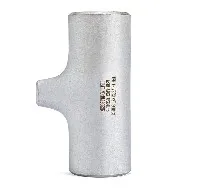
Hey there! I'm a supplier of 316 buttweld elbows. These elbows are super popular in various industries because of their excellent corrosion resistance and durability. But like any other equipment, they need proper cleaning to keep them in top - notch condition. So, today I'm gonna share with you how to clean a 316 buttweld elbow.
Why Cleaning is Important
First off, let's talk about why cleaning these elbows is so crucial. 316 buttweld elbows are often used in pipelines for transporting fluids or gases in industries such as food processing, chemical, and pharmaceutical. Over time, dirt, debris, and even corrosive substances can build up on the surface of the elbow. If not cleaned regularly, this buildup can cause blockages, reduce the flow efficiency of the pipeline, and even lead to corrosion, which can compromise the integrity of the elbow. So, keeping them clean is not just about aesthetics; it's about ensuring the long - term performance and safety of your pipeline system.
Pre - cleaning Preparation
Before you start cleaning, you need to gather the right tools and materials. You'll need some mild detergents or specialized stainless - steel cleaners. Avoid using abrasive cleaners or tools that can scratch the surface of the 316 stainless steel, as scratches can create areas where corrosion is more likely to occur. You'll also need soft brushes, microfiber cloths, and gloves to protect your hands.


It's also important to shut down the pipeline system and isolate the elbow. This is to prevent any potential hazards, such as the release of harmful chemicals or pressurized fluids. Make sure the elbow is completely depressurized and cooled down before you start the cleaning process.
Cleaning Steps
Step 1: Initial Inspection
Take a good look at the elbow. Check for any visible signs of damage, such as cracks or dents. Also, note the type and location of the dirt or debris. This will help you determine the best cleaning approach. If there are only light surface stains, a simple wipe - down might be enough. But if there are stubborn deposits, you'll need to use a more aggressive cleaning method.
Step 2: Dry Brushing
Use a soft brush to gently remove any loose dirt, dust, or debris from the surface of the elbow. This step helps to prevent scratching the surface during the wet - cleaning process. Start from one end of the elbow and work your way around to the other end, making sure to cover all areas, including the inside of the elbow.
Step 3: Wet Cleaning
Mix the mild detergent or stainless - steel cleaner with water according to the manufacturer's instructions. Dip a microfiber cloth or a soft brush into the cleaning solution and gently scrub the surface of the elbow. Pay special attention to areas with stubborn stains or deposits. For hard - to - reach areas inside the elbow, you can use a long - handled brush.
If you're dealing with more stubborn contaminants, like grease or oil, you might need to let the cleaning solution sit on the surface for a few minutes to break down the substances. But don't let it dry on the surface, as this can leave behind residue.
Step 4: Rinsing
After scrubbing, rinse the elbow thoroughly with clean water. Make sure to remove all traces of the cleaning solution. You can use a hose or a bucket of water for rinsing. Rinse from the top down to ensure that all the dirty water flows out of the elbow.
Step 5: Drying
Use a clean, dry microfiber cloth to dry the elbow. Drying is important because leaving the elbow wet can lead to water spots and increase the risk of corrosion. Make sure to dry all areas, including the inside of the elbow.
Special Considerations
Sometimes, you might encounter more challenging cleaning situations. For example, if the elbow has been exposed to harsh chemicals or has heavy rust, you might need to use more specialized cleaning methods. In such cases, you can consider using pickling pastes or passivation solutions. However, these should be used with caution, as they can be quite corrosive. Always follow the manufacturer's instructions when using these products.
Also, if the elbow has weld seams, pay extra attention to these areas during cleaning. Weld seams can be more prone to corrosion and may require a more thorough cleaning. You can use a small brush to clean the weld seams gently.
Maintenance Tips
To keep your 316 buttweld elbows clean and in good condition for a long time, here are some maintenance tips. First, establish a regular cleaning schedule. Depending on the operating conditions of your pipeline system, you might need to clean the elbows monthly, quarterly, or annually.
Second, protect the elbows from exposure to harsh chemicals and abrasive materials. If possible, install protective covers or shields around the elbows.
Finally, conduct regular inspections to detect any signs of damage or corrosion early. Early detection can save you from costly repairs or replacements in the long run.
Conclusion
Cleaning a 316 buttweld elbow is not a complicated process, but it does require some attention to detail. By following the steps I've outlined above and taking proper maintenance measures, you can ensure that your elbows remain in excellent condition, which in turn will help to maintain the efficiency and safety of your pipeline system.
If you're in the market for high - quality Stainless Steel Weld Elbow, Stainless Steel Weld Elbows, or Stainless steel 90 degrees elbow, I'm here to help. Whether you need a single elbow for a small project or a large quantity for an industrial application, I can provide you with the right products at competitive prices. Don't hesitate to reach out for a quote or to discuss your specific requirements. Let's work together to meet your needs!
References
- "Stainless Steel Handbook"
- Manufacturer's guidelines for 316 buttweld elbows