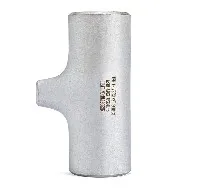
Hey there! As a supplier of steel 90-degree elbows, I've gotten a ton of questions about how the wall thickness of these elbows affects their performance. So, I thought I'd sit down and write this blog to share some insights.
First off, let's talk about what wall thickness actually means. The wall thickness of a steel 90-degree elbow is the measurement of the material between the inner and outer surfaces of the elbow. It's a crucial factor because it can have a significant impact on how well the elbow functions in different applications.
Strength and Durability
One of the most obvious ways wall thickness affects performance is in terms of strength and durability. A thicker wall generally means a stronger elbow. When you've got a high-pressure system, for example, a thicker-walled elbow can handle the stress better. It won't bulge or burst as easily under pressure.
Think about it like this: if you're building a pipeline that's going to carry a lot of fluid at high speeds and pressures, you need an elbow that can stand up to that force. A thin-walled elbow might be okay for a low-pressure situation, but in a high-stress environment, it's likely to fail. On the other hand, a thick-walled 304 Stainless Steel Elbow can take the heat, literally and figuratively. It's more resistant to wear and tear, corrosion, and other forms of damage that can occur over time.
Flow Characteristics
Wall thickness also plays a role in the flow characteristics of the fluid passing through the elbow. A thicker wall can cause more friction inside the elbow. This means that the fluid has to work a bit harder to get through, which can lead to a drop in flow rate. In some cases, this might not be a big deal. But in applications where precise flow control is crucial, it can be a problem.
For instance, in a chemical processing plant, where the exact amount of fluid needs to be delivered at a specific rate, a thick-walled elbow could disrupt the process. The extra friction might cause the fluid to slow down more than expected, affecting the overall efficiency of the system. On the flip side, a thinner-walled elbow allows for a smoother flow, with less resistance. However, you've got to balance this with the need for strength and durability.
Cost Considerations
Another aspect to think about is cost. Thicker-walled elbows usually cost more. This is because they require more raw material to manufacture. If you're on a tight budget, you might be tempted to go for a thinner-walled elbow to save some money. But remember, you get what you pay for. A cheaper, thinner-walled elbow might end up costing you more in the long run if it fails and needs to be replaced.
As a supplier, I always try to help my customers find the right balance between cost and performance. Sometimes, a slightly thicker wall might be worth the extra investment, especially if it means the elbow will last longer and perform better in the long term.
Installation and Compatibility
The wall thickness can also affect the installation process. Thicker-walled elbows are heavier and more rigid. This can make them a bit more difficult to install, especially in tight spaces. You might need more specialized equipment and skilled labor to get the job done.
In addition, you've got to make sure that the wall thickness of the elbow is compatible with the rest of the pipeline system. If the elbow is too thick or too thin compared to the pipes it's connecting to, it can cause problems with the overall integrity of the system. For example, a thick-walled 304 Buttweld Elbow might not fit properly with thinner pipes, leading to leaks or other issues.
Temperature and Pressure Resistance
When it comes to temperature and pressure resistance, wall thickness is a key factor. In high-temperature applications, a thicker wall can provide better insulation. It helps to prevent the heat from escaping and keeps the fluid inside the elbow at the right temperature. This is important in industries like oil and gas, where maintaining the temperature of the fluid is crucial for the process.
Similarly, in high-pressure systems, a thicker wall can withstand the pressure without deforming. It acts as a barrier, protecting the elbow from the intense forces inside the pipeline. A thin-walled elbow might not be able to handle the same level of pressure, which could lead to catastrophic failures.
Corrosion Resistance
Corrosion is a major concern in many industries. A thicker wall can offer better corrosion resistance. It provides an extra layer of protection against the elements that can cause corrosion, such as moisture, chemicals, and oxygen.
For example, in a marine environment, where the elbow is constantly exposed to saltwater, a thick-walled Stainless Steel Seamless Elbow is a better choice. The extra thickness gives it more time to resist corrosion before it starts to degrade. This can extend the lifespan of the elbow and reduce the need for frequent replacements.
Choosing the Right Wall Thickness
So, how do you choose the right wall thickness for your steel 90-degree elbow? Well, it depends on several factors. First, you need to consider the application. What kind of fluid is going to be flowing through the elbow? What are the pressure and temperature requirements? What is the environment like?
If you're dealing with a high-pressure, high-temperature application, you'll probably need a thicker wall. On the other hand, if the pressure and temperature are relatively low, a thinner wall might be sufficient. You also need to think about the budget and the installation requirements.


As a supplier, I'm always here to help. I can provide you with detailed information about the different wall thicknesses available and how they will perform in your specific application. I can also offer advice on installation and maintenance to ensure that your elbows last as long as possible.
Conclusion
In conclusion, the wall thickness of a steel 90-degree elbow has a big impact on its performance. It affects strength, durability, flow characteristics, cost, installation, temperature and pressure resistance, and corrosion resistance. When choosing an elbow, it's important to carefully consider all these factors and find the right balance.
If you're in the market for steel 90-degree elbows, I'd love to talk to you. Whether you need more information about wall thickness or want to discuss your specific requirements, feel free to reach out. Let's work together to find the perfect solution for your project.
References
- "Handbook of Pipeline Engineering" by John P. Carr
- "Pipe Fittings and Flanges: Design, Selection, and Installation" by William T. Thomson