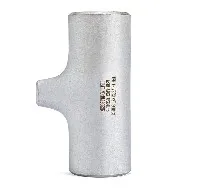
The pressure rating of stainless steel reducers is a critical factor that significantly influences their performance and application scope. As a leading supplier of stainless steel reducers, we understand the importance of this parameter and its implications for various industries. In this blog, we will delve into how the pressure rating affects the use of stainless steel reducers and why it is essential to consider this factor when making a purchase.
Understanding Pressure Rating
The pressure rating of a stainless steel reducer refers to the maximum pressure that the reducer can safely withstand under specific conditions. This rating is determined by several factors, including the material properties of the stainless steel, the design and dimensions of the reducer, and the manufacturing process. For instance, a reducer made from high - quality stainless steel with a proper wall thickness and a well - engineered design will generally have a higher pressure rating.


The pressure rating is usually expressed in units such as pounds per square inch (psi) or megapascals (MPa). It is crucial to note that the pressure rating is not a constant value; it can be affected by factors like temperature, fluid type, and installation conditions. For example, at higher temperatures, the pressure - bearing capacity of stainless steel may decrease, so the effective pressure rating under elevated temperature conditions will be lower than the rated value at standard temperature.
Impact on Application Selection
The pressure rating directly dictates where a stainless steel reducer can be used. In low - pressure applications, such as residential plumbing systems, reducers with relatively low pressure ratings can be employed. These systems typically operate at pressures below 100 psi, and a reducer with a pressure rating of 150 psi or 200 psi would be sufficient. For example, in a home water supply line, a Stainless Steel Reducer Tee with a lower pressure rating can be used to connect pipes of different diameters without any issues.
On the other hand, in high - pressure industrial applications, such as oil and gas pipelines, chemical processing plants, and power generation facilities, reducers with high pressure ratings are required. These applications often involve pressures ranging from several hundred to thousands of psi. For instance, in an oil refinery, the pipelines may carry fluids at pressures up to 1000 psi or more. In such cases, stainless steel reducers with pressure ratings of 1500 psi or higher are necessary to ensure the safety and reliability of the system. A 304 Stainless Steel Reducer Tee with a high pressure rating would be a suitable choice due to its excellent corrosion resistance and strength.
Safety Considerations
Using a stainless steel reducer with an inappropriate pressure rating can pose significant safety risks. If a reducer is installed in a system where the operating pressure exceeds its rated pressure, it may fail. This failure can manifest in various ways, such as leaks, bursts, or cracks. A leak in a high - pressure pipeline can lead to the release of hazardous fluids, which can be dangerous to the environment and human health. A burst or crack can cause a sudden loss of pressure, potentially leading to equipment damage and even explosions in extreme cases.
For example, in a chemical processing plant, a reducer failure due to an insufficient pressure rating could result in the release of toxic chemicals. This not only endangers the lives of workers but also has a severe impact on the surrounding environment. Therefore, it is of utmost importance to accurately assess the pressure requirements of the system and select a stainless steel reducer with an appropriate pressure rating.
Compatibility with Other Components
The pressure rating of a stainless steel reducer also affects its compatibility with other components in the pipeline system. All components in a pipeline, including valves, pumps, and flanges, must have compatible pressure ratings. If a reducer with a low pressure rating is connected to a high - pressure valve or pump, it can become a weak point in the system. This can lead to uneven pressure distribution and increased stress on the reducer, increasing the likelihood of failure.
For instance, in a complex industrial pipeline network, if a Stainless Steel Tee Fittings with a low pressure rating is connected to a high - pressure pump, the reducer may experience pressure surges that it cannot handle. This can cause premature wear and tear, reducing the overall lifespan of the system. Therefore, when designing a pipeline system, it is necessary to ensure that all components have consistent pressure ratings to maintain the integrity and efficiency of the system.
Influence on Cost
The pressure rating of stainless steel reducers has a direct impact on their cost. Generally, reducers with higher pressure ratings are more expensive. This is because they require higher - quality materials, more precise manufacturing processes, and stricter quality control. For example, a reducer designed to withstand extremely high pressures may need to be made from a special grade of stainless steel with enhanced strength properties. The manufacturing process may involve additional heat treatment and machining operations to ensure the reducer can meet the high - pressure requirements.
However, it is important to balance the cost with the performance and safety requirements of the application. In some cases, choosing a reducer with a slightly higher pressure rating than the minimum requirement can provide a safety margin and reduce the risk of failure in the long run. On the other hand, over - specifying the pressure rating can lead to unnecessary costs. Therefore, it is essential to carefully evaluate the actual pressure needs of the system to make a cost - effective decision.
Installation and Maintenance
The pressure rating also affects the installation and maintenance of stainless steel reducers. Reducers with high pressure ratings may require more careful installation procedures. For example, they may need to be installed with special gaskets and tightened to specific torque values to ensure a proper seal and prevent leaks. Improper installation of a high - pressure reducer can compromise its pressure - bearing capacity and lead to premature failure.
In terms of maintenance, high - pressure reducers may need to be inspected more frequently to detect any signs of wear, corrosion, or damage. Regular pressure testing may also be required to ensure that the reducer is still operating within its rated pressure. In contrast, low - pressure reducers may have less stringent installation and maintenance requirements.
Conclusion
In conclusion, the pressure rating of stainless steel reducers is a fundamental factor that has far - reaching implications for their use. It determines the application suitability, safety, compatibility with other components, cost, and installation and maintenance requirements. As a supplier of stainless steel reducers, we are committed to providing our customers with products that meet their specific pressure requirements. We have a wide range of stainless steel reducers with different pressure ratings to cater to various industries and applications.
If you are in need of stainless steel reducers and are unsure about the appropriate pressure rating for your application, our team of experts is here to assist you. We can help you assess your system's pressure needs, select the right product, and provide you with professional advice on installation and maintenance. Contact us today to start a discussion about your procurement requirements, and let us work together to ensure the success of your projects.
References
- ASME B16.9 - Factory - Made Wrought Steel Buttwelding Fittings
- ASTM A403 - Standard Specification for Wrought Austenitic Stainless Steel Piping Fittings
- API 5L - Specification for Line Pipe