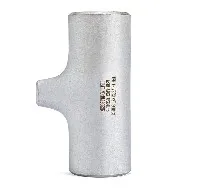
Hey there! I'm a supplier of steel 90 degree elbows, and today I wanna chat about whether there are different types of these elbows for different fluids. It's a topic that's super important in the industry, and I've got some insights to share based on my experience.
First off, let's talk about why the type of fluid matters when it comes to steel 90 degree elbows. Different fluids have different properties, like temperature, pressure, corrosiveness, and viscosity. These properties can have a big impact on the performance and lifespan of the elbow. For example, if you're dealing with a highly corrosive fluid, you need an elbow that can resist corrosion. Otherwise, the elbow might start to break down over time, leading to leaks and other problems.
So, are there different types of steel 90 degree elbows for different fluids? The answer is a definite yes! Let's take a look at some of the common types and the fluids they're best suited for.
Stainless Steel Elbows for Corrosive Fluids
Stainless steel is a popular choice for 90 degree elbows when dealing with corrosive fluids. It contains chromium, which forms a passive oxide layer on the surface of the metal. This layer protects the steel from corrosion, making it ideal for use in environments where the fluid can cause rust or other forms of degradation.
For instance, in the chemical industry, where acids and alkalis are commonly used, stainless steel elbows are a must. They can withstand the corrosive nature of these fluids and ensure a long - lasting and reliable piping system. You can check out our Stainless Steel Butt Weld Pipe Fittings and Stainless Steel Socket Elbow options, which are made from high - quality stainless steel and are perfect for such applications.
Carbon Steel Elbows for General - Purpose Fluids
Carbon steel elbows are widely used for general - purpose applications where the fluid is not highly corrosive. They are strong, durable, and relatively inexpensive compared to stainless steel. Carbon steel elbows are commonly used in water supply systems, heating systems, and some industrial processes where the fluid is at a moderate temperature and pressure.
However, carbon steel is prone to rust if it's exposed to moisture or certain chemicals. So, in applications where there's a risk of corrosion, a protective coating or lining might be applied to the elbow. These elbows are great for a wide range of general - use fluids, and they offer a cost - effective solution for many projects.
Alloy Steel Elbows for High - Temperature and High - Pressure Fluids
When you're dealing with fluids at high temperatures and pressures, alloy steel elbows are the way to go. Alloy steel is made by adding other elements like nickel, chromium, and molybdenum to carbon steel. These additional elements enhance the strength, toughness, and heat resistance of the steel.


In power plants, for example, where steam is used at extremely high temperatures and pressures to generate electricity, alloy steel 90 degree elbows are essential. They can handle the harsh conditions without deforming or failing. Our 90 Degree Stainless Elbow also has some alloy steel options that are designed to meet the demands of high - stress applications.
Considerations for Viscous Fluids
Viscous fluids, like oil or some types of syrups, require elbows that can handle the flow resistance. A smooth inner surface is crucial to reduce the pressure drop and ensure a consistent flow. Some steel 90 degree elbows are designed with a special internal finish to minimize friction and allow the viscous fluid to flow more easily.
The radius of the elbow also matters. A larger radius elbow can provide a more gradual turn for the fluid, reducing the turbulence and pressure loss. This is especially important for viscous fluids, as they are more likely to experience flow disruptions at sharp turns.
Impact of Fluid Velocity
Fluid velocity is another factor to consider. High - velocity fluids can cause erosion and wear on the inner surface of the elbow. For fluids moving at high speeds, a thicker - walled elbow might be required to withstand the impact. Additionally, the material of the elbow should be chosen carefully to resist erosion. Stainless steel and some alloy steels are good choices for high - velocity fluid applications.
Custom - Made Elbows
Sometimes, standard steel 90 degree elbows might not meet the specific requirements of a particular fluid. That's where custom - made elbows come in. We can fabricate elbows with specific dimensions, wall thicknesses, and materials to suit the exact needs of your fluid application. Whether it's a unique chemical composition, a non - standard size, or a special finish, we can work with you to create the perfect elbow.
In conclusion, there are definitely different types of steel 90 degree elbows for different fluids. The key is to understand the properties of the fluid, such as its corrosiveness, temperature, pressure, viscosity, and velocity, and then choose the right elbow accordingly. By doing so, you can ensure the efficiency, reliability, and longevity of your piping system.
If you're in the market for steel 90 degree elbows and need help choosing the right ones for your fluid application, don't hesitate to reach out. We're here to assist you with all your elbow - related needs and ensure you get the best product for your project. Let's have a chat and see how we can make your piping system work like a charm!
References
- ASME B16.9 - Factory - Made Wrought Buttwelding Fittings
- ASTM A403 - Standard Specification for Wrought Austenitic Stainless Steel Piping Fittings
- API 5L - Specification for Line Pipe