Hey there! As a supplier of Stainless Steel Tees, I often get asked whether these bad boys can be used in chemical - processing industries. Well, let's dive right into it and break it down.


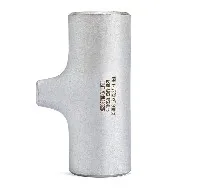
First off, what exactly are stainless steel tees? Stainless steel tees are pipe fittings shaped like the letter "T". They're used to connect pipes at a 90 - degree angle, allowing the flow of fluids or gases to split or combine. They come in different sizes, grades, and types, such as 304 Stainless Steel Reducer Tee and Stainless Steel Reducer Tee. And of course, the regular Stainless Steel Tee.
Now, let's talk about why stainless steel is a big deal in the chemical - processing world. Stainless steel is an alloy that contains chromium. This chromium forms a thin, invisible layer of chromium oxide on the surface of the steel. This layer is self - healing, which means if it gets scratched or damaged, it can reform as long as there's oxygen present. This property gives stainless steel excellent corrosion resistance.
In chemical - processing industries, corrosion is a massive problem. Chemicals are often highly reactive and can eat away at pipes made of less - resistant materials. For example, if you're dealing with acids like sulfuric acid or hydrochloric acid, or strong alkalis, a regular carbon steel pipe would be corroded pretty quickly. But stainless steel tees can stand up to a wide range of chemicals under normal operating conditions.
The type of stainless steel matters a lot. The most common grades used in chemical - processing are 304 and 316. Grade 304 stainless steel is great for general - purpose applications where the chemical environment isn't too harsh. It has good corrosion resistance and is relatively inexpensive. On the other hand, 316 stainless steel contains molybdenum, which gives it even better resistance to pitting and crevice corrosion, especially in chloride - rich environments. So, if you're working with seawater or chemicals that contain chlorides, 316 would be a better choice.
Another advantage of using stainless steel tees in chemical - processing is their strength. Chemical processes often involve high pressures and temperatures. Stainless steel has high tensile strength, which means it can withstand these extreme conditions without deforming or bursting. This is crucial for maintaining the safety and efficiency of the entire chemical - processing system.
However, it's not all sunshine and rainbows. There are some situations where stainless steel tees might not be the best option. For instance, in environments with extremely high temperatures and very low oxygen levels, the protective chromium oxide layer can break down. Also, certain chemicals like hydrofluoric acid can attack stainless steel, even the more corrosion - resistant grades. So, it's really important to do a thorough analysis of the chemical environment before choosing stainless steel tees.
Installation is also a key factor. If stainless steel tees are not installed correctly, it can lead to problems. For example, improper welding can create areas where corrosion can start. The welding process needs to be carefully controlled to ensure that the corrosion - resistant properties of the stainless steel are maintained. And after installation, regular inspections are necessary to check for any signs of corrosion or damage.
When it comes to maintenance, stainless steel tees are relatively easy to take care of. You just need to keep them clean and free from any contaminants that could cause corrosion. Simple cleaning with mild detergents and water can usually do the trick. But in some cases, more specialized cleaning methods might be required, depending on the chemical residues.
Now, let's talk about cost. Stainless steel tees are generally more expensive than pipes made of other materials like carbon steel. But when you consider the long - term benefits, such as their durability and corrosion resistance, they can actually save you money in the long run. You won't have to replace them as often, and you'll reduce the risk of costly leaks and system failures.
In the chemical - processing industry, compliance with standards is a must. Stainless steel tees need to meet certain industry standards, such as ASTM (American Society for Testing and Materials) standards. These standards ensure that the tees have the right chemical composition, mechanical properties, and dimensions. As a supplier, I make sure that all our stainless steel tees meet these strict standards.
So, to sum it up, stainless steel tees can definitely be used in chemical - processing industries in many cases. They offer excellent corrosion resistance, high strength, and are relatively easy to maintain. But it's essential to consider the specific chemical environment, installation, and maintenance requirements.
If you're in the chemical - processing industry and are thinking about using stainless steel tees for your next project, I'd love to have a chat with you. I can help you choose the right grade and type of stainless steel tee based on your specific needs. Whether you need a 304 Stainless Steel Reducer Tee, a Stainless Steel Reducer Tee, or a regular Stainless Steel Tee, I've got you covered.
Feel free to reach out and we can discuss your project in detail. I'm here to make sure you get the best - quality stainless steel tees for your chemical - processing needs.
References:
- ASM Handbook, Volume 13A: Corrosion, ASM International
- Stainless Steel Handbook, Outokumpu
- Chemical Engineering Handbook, McGraw - Hill