Can a butt weld tee be used in a nuclear power plant pipeline?
As a supplier of butt weld tees, I often get asked about the suitability of our products for various applications, including nuclear power plant pipelines. This is a highly specialized and critical area, where the safety and reliability of every component are of utmost importance. In this blog post, I'll delve into the key factors to consider when determining whether a butt weld tee can be used in a nuclear power plant pipeline.
Understanding the Requirements of Nuclear Power Plant Pipelines
Nuclear power plants operate under extremely demanding conditions. The pipelines in these facilities are responsible for transporting various fluids, such as coolant water, steam, and radioactive materials, at high pressures and temperatures. Therefore, the materials and components used in these pipelines must meet strict standards to ensure the safety of the plant and the surrounding environment.
Some of the key requirements for nuclear power plant pipelines include:
- High - strength and durability: The pipes and fittings need to withstand the high pressures and temperatures without deformation or failure over long periods.
- Corrosion resistance: Given the nature of the fluids being transported, including corrosive substances, the materials must be highly resistant to corrosion to prevent leaks and contamination.
- Radiation resistance: The components should be able to maintain their structural integrity in the presence of radiation.
- Precision manufacturing: To ensure proper fit and function, the pipes and fittings must be manufactured with high precision, meeting strict dimensional tolerances.
Characteristics of Butt Weld Tees
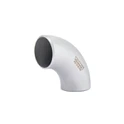
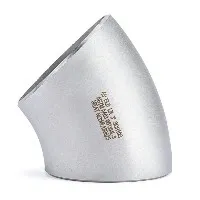
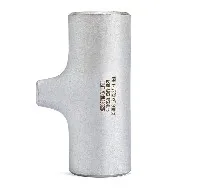
Butt weld tees are a type of pipe fitting used to connect three pipes at a 90 - degree angle. They are made by welding the ends of the tee to the pipes, creating a strong and permanent joint. Here are some of the characteristics of butt weld tees that make them potentially suitable for nuclear power plant pipelines:
- Strong joint: The butt welding process creates a joint that is as strong as the parent material, providing excellent structural integrity. This is crucial in nuclear power plant pipelines, where any failure can have severe consequences.
- Smooth flow path: The design of butt weld tees allows for a smooth flow of fluids, minimizing pressure drops and turbulence. This helps to maintain the efficiency of the pipeline system.
- Customizability: Butt weld tees can be manufactured in various sizes, materials, and wall thicknesses to meet the specific requirements of different pipeline systems.
Material Selection for Nuclear Applications
The choice of material for butt weld tees in nuclear power plant pipelines is critical. Stainless steel is a popular choice due to its excellent corrosion resistance, high strength, and good weldability. For example, Stainless Steel Tee and Stainless Steel Reducer Tee Stainless Steel Reducer Tee made from high - grade stainless steel alloys can provide the necessary performance in nuclear environments.
Some of the commonly used stainless steel grades in nuclear applications include:
- Type 304 and 304L: These are austenitic stainless steels that offer good corrosion resistance and mechanical properties. They are suitable for non - critical applications in nuclear power plants.
- Type 316 and 316L: These grades contain molybdenum, which enhances their corrosion resistance, especially in chloride - containing environments. They are widely used in nuclear power plant pipelines for transporting coolant water and other fluids.
- Duplex stainless steels: These steels have a two - phase microstructure (austenite and ferrite), which provides high strength and excellent corrosion resistance. They are often used in more demanding applications where higher strength and better resistance to stress corrosion cracking are required.
Manufacturing and Quality Control
In addition to material selection, the manufacturing process and quality control of butt weld tees are also crucial for nuclear applications. The manufacturing process should follow strict industry standards and codes, such as the American Society of Mechanical Engineers (ASME) Boiler and Pressure Vessel Code.
Quality control measures should include:
- Material testing: The raw materials should be tested to ensure they meet the specified chemical composition and mechanical properties.
- Non - destructive testing (NDT): Techniques such as ultrasonic testing, radiographic testing, and magnetic particle testing should be used to detect any internal or surface defects in the butt weld tees.
- Dimensional inspection: The tees should be inspected to ensure they meet the required dimensional tolerances.
- Weld quality inspection: The welds should be inspected to ensure they are of high quality, free from defects such as cracks, porosity, and lack of fusion.
Regulatory and Safety Considerations
The use of butt weld tees in nuclear power plant pipelines is subject to strict regulatory requirements. Nuclear regulatory authorities around the world have established safety standards and guidelines to ensure the safe operation of nuclear power plants. These regulations cover various aspects, including material selection, manufacturing processes, installation, and maintenance.
Before using a butt weld tee in a nuclear power plant pipeline, it is essential to obtain the necessary approvals and certifications from the relevant regulatory authorities. This may involve submitting detailed technical documentation, including material specifications, manufacturing processes, and test results, for review and approval.
Conclusion
In conclusion, butt weld tees can be used in nuclear power plant pipelines, provided that they are made from suitable materials, manufactured to high - quality standards, and meet all the regulatory requirements. As a supplier of butt weld tees, we understand the critical nature of nuclear applications and are committed to providing products that meet the highest standards of safety and reliability.


If you are involved in a nuclear power plant project and are considering the use of butt weld tees in your pipeline system, we invite you to contact us for more information. Our team of experts can help you select the right products and provide you with the technical support you need. We look forward to discussing your specific requirements and working with you to ensure the success of your project.
References
- ASME Boiler and Pressure Vessel Code.
- Nuclear Regulatory Commission (NRC) regulations.
- Technical literature on stainless steel materials and their applications in nuclear power plants.