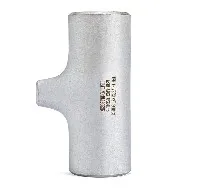
Are stainless steel u bends suitable for outdoor use?
As a supplier of stainless steel u bends, I am often asked whether these products are suitable for outdoor use. This is a crucial question for many customers, especially those in industries such as construction, plumbing, and outdoor engineering. In this blog post, I will delve into the characteristics of stainless steel u bends and evaluate their suitability for outdoor applications.
Characteristics of Stainless Steel U Bends
Stainless steel is an alloy primarily composed of iron, chromium, and other elements. The addition of chromium forms a passive oxide layer on the surface of the steel, which provides excellent corrosion resistance. This characteristic is what makes stainless steel u bends a popular choice for various applications, including those in outdoor environments.
One of the key advantages of stainless steel u bends is their durability. They can withstand a wide range of temperatures, from extreme cold to high heat, without significant deformation or loss of structural integrity. This makes them suitable for outdoor settings where the weather conditions can be unpredictable.


In addition to temperature resistance, stainless steel u bends are also highly resistant to mechanical stress. They can endure vibrations, impacts, and other forms of physical pressure without breaking or cracking. This is particularly important in outdoor applications where the u bends may be exposed to heavy machinery, moving vehicles, or other sources of mechanical force.
Another benefit of stainless steel u bends is their low maintenance requirements. Unlike other materials, such as carbon steel or aluminum, stainless steel does not require regular painting or coating to prevent corrosion. This not only saves time and money but also reduces the environmental impact associated with the use of chemical coatings.
Suitability for Outdoor Use
Based on the characteristics mentioned above, stainless steel u bends are generally well - suited for outdoor use. However, several factors need to be considered to ensure their long - term performance in outdoor environments.
Corrosion Resistance in Different Outdoor Conditions
The corrosion resistance of stainless steel u bends can vary depending on the specific outdoor environment. In coastal areas, for example, the high salt content in the air can accelerate the corrosion process. While stainless steel is resistant to corrosion, certain grades may be more suitable for these harsh conditions. For instance, grades such as 316 stainless steel, which contains molybdenum, offer enhanced resistance to chloride - induced corrosion and are therefore a better choice for coastal outdoor applications.
In industrial areas, stainless steel u bends may be exposed to pollutants, chemicals, and acidic substances. Again, the choice of stainless steel grade is crucial. Higher - grade stainless steels with increased alloying elements can provide better protection against chemical corrosion.
UV Resistance
Although stainless steel is not typically affected by ultraviolet (UV) radiation, the presence of any surface coatings or finishes may be. If the u bends have a painted or powder - coated finish, UV rays can cause the finish to fade, crack, or peel over time. In most cases, however, the bare stainless steel surface is unaffected by UV radiation, making it a reliable choice for outdoor applications where direct sunlight is a factor.
Weathering and Aging
Over time, stainless steel u bends may experience some degree of weathering. This can manifest as a change in the surface appearance, such as a slight discoloration or the formation of a patina. While this is mainly a cosmetic issue, it is important to note that it does not necessarily affect the structural integrity or performance of the u bends.
Applications of Stainless Steel U Bends in Outdoor Settings
Stainless steel u bends have a wide range of outdoor applications. In the construction industry, they are used in plumbing systems to redirect the flow of water or other fluids. Their durability and corrosion resistance ensure that the plumbing systems remain functional for many years, even in harsh outdoor conditions.
In outdoor heating, ventilation, and air conditioning (HVAC) systems, stainless steel u bends are used to connect pipes and ducts. They can withstand the temperature changes and mechanical stresses associated with HVAC operations, making them an ideal choice for these applications.
In the automotive and transportation industries, stainless steel u bends are used in exhaust systems. Their ability to resist high temperatures and corrosion makes them suitable for outdoor use, where the exhaust systems are exposed to the elements.
Related Products
If you are interested in stainless steel u bends, you may also be interested in our other related products. We offer 304 Buttweld Elbow, which is a popular choice for many industrial and outdoor applications. Our Stainless Steel Elbow Fitting provides a reliable connection for pipes, and our Stainless Steel Socket Elbow is designed for easy installation in various outdoor settings.
Conclusion
In conclusion, stainless steel u bends are generally suitable for outdoor use. Their corrosion resistance, durability, low maintenance requirements, and ability to withstand various environmental factors make them a reliable choice for a wide range of outdoor applications. However, it is important to carefully consider the specific outdoor conditions and choose the appropriate stainless steel grade to ensure optimal performance.
If you are considering using stainless steel u bends for your outdoor project, we are here to help. Our team of experts can provide you with detailed information about the different grades of stainless steel, their suitability for your specific application, and any other technical advice you may need. We encourage you to contact us to discuss your procurement needs and start a productive business negotiation.
References
- ASM Handbook Committee. (2004). ASM Handbook, Volume 13A: Corrosion: Fundamentals, Testing, and Protection. ASM International.
- Schaeffler, A. (1949). Constitution diagram for stainless steel weld metals. Welding Journal, 28(10), 359s - 364s.
- Kain, R. M. (2002). Pitting and crevice corrosion of stainless steels. Materials Performance, 41(11), 33 - 38.