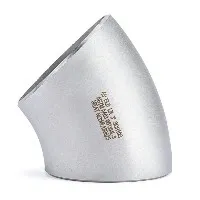
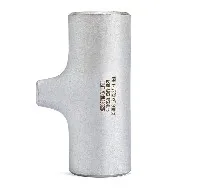
Stainless pipe flanges are essential components in the chemical industry, playing a crucial role in ensuring the safe and efficient operation of various chemical processes. As a leading supplier of stainless pipe flanges, I have witnessed firsthand the diverse applications and significance of these products in the chemical sector. In this blog post, I will explore the key applications of stainless pipe flanges in the chemical industry and highlight their importance in maintaining the integrity of chemical systems.
1. Connection of Piping Systems
One of the primary applications of stainless pipe flanges in the chemical industry is to connect different sections of piping systems. Chemical plants often have complex networks of pipes that transport various chemicals, gases, and fluids. Stainless pipe flanges provide a reliable and leak - proof connection between pipes, allowing for the seamless flow of substances. These flanges are available in different types, such as weld - neck flanges, slip - on flanges, and blind flanges, each suitable for specific installation requirements.
Weld - neck flanges, for example, are commonly used in high - pressure and high - temperature applications in chemical plants. Their long tapered hub provides additional strength and reduces stress concentration at the joint, making them ideal for handling corrosive chemicals under extreme conditions. Slip - on flanges, on the other hand, are easier to install and are often used in low - pressure systems where quick assembly and disassembly may be required. Blind flanges are used to close the end of a pipe, preventing the flow of chemicals and allowing for maintenance or inspection of the system.
2. Installation of Valves and Equipment
Stainless pipe flanges are also used to connect valves, pumps, and other equipment to the piping system in chemical plants. Valves are critical for controlling the flow, pressure, and direction of chemicals within the system. By using stainless pipe flanges, valves can be securely attached to the pipes, ensuring a tight seal and preventing leaks. This is especially important in the chemical industry, where even a small leak can lead to significant safety hazards and environmental pollution.
Pumps are another essential piece of equipment in chemical plants, used to transfer chemicals from one location to another. Stainless pipe flanges are used to connect the pump to the piping system, allowing for the efficient transfer of fluids. The use of high - quality stainless pipe flanges ensures that the pump operates smoothly and reliably, minimizing downtime and maintenance costs.
3. Resistance to Corrosion
The chemical industry deals with a wide range of corrosive substances, including acids, alkalis, and salts. Stainless steel is known for its excellent corrosion resistance, making stainless pipe flanges an ideal choice for chemical applications. The chromium content in stainless steel forms a passive oxide layer on the surface, which protects the metal from corrosion. This passive layer can self - repair when damaged, ensuring long - term durability in harsh chemical environments.
For example, in a chemical plant that produces sulfuric acid, stainless pipe flanges can withstand the highly corrosive nature of the acid, preventing the pipes from deteriorating and ensuring the safe transportation of the acid. Similarly, in a plant that handles caustic soda, stainless pipe flanges can resist the corrosive effects of the alkali, maintaining the integrity of the piping system.
4. Compatibility with Different Chemicals
Stainless pipe flanges are available in various grades of stainless steel, each with different chemical compositions and properties. This allows them to be compatible with a wide range of chemicals used in the chemical industry. For instance, grade 304 stainless steel is commonly used for general - purpose applications where the corrosion resistance requirements are not extremely high. It is suitable for handling mild acids, alkalis, and organic chemicals.
Grade 316 stainless steel, on the other hand, contains molybdenum, which enhances its corrosion resistance, especially in chloride - rich environments. It is often used in applications where the chemical process involves seawater, brine, or other chloride - containing solutions. By choosing the appropriate grade of stainless steel for the specific chemical application, chemical plants can ensure the long - term performance and reliability of their piping systems.
5. Safety and Compliance
In the chemical industry, safety is of utmost importance. Stainless pipe flanges help to ensure the safety of chemical processes by providing a secure and leak - proof connection. They are designed and manufactured to meet strict industry standards and regulations, such as ASME B16.5 and DIN standards. These standards specify the dimensions, materials, and performance requirements of pipe flanges, ensuring that they are suitable for use in chemical plants.
Compliance with these standards not only ensures the safety of the chemical process but also helps chemical plants to meet environmental and regulatory requirements. By using high - quality stainless pipe flanges that meet industry standards, chemical plants can avoid costly fines and legal issues associated with non - compliance.
6. Ease of Maintenance and Inspection
Stainless pipe flanges are designed for easy maintenance and inspection. They can be easily disassembled and reassembled, allowing for quick access to the piping system for cleaning, repair, or replacement of components. This is particularly important in the chemical industry, where regular maintenance and inspection are necessary to ensure the safe and efficient operation of the plant.
For example, if a valve needs to be replaced or a section of the pipe needs to be repaired, the flanges can be unbolted, and the affected component can be removed and replaced. This reduces downtime and minimizes the impact on the production process. Additionally, the smooth surface of stainless steel flanges makes them easy to clean, preventing the accumulation of chemicals and contaminants.


7. Cost - Effectiveness
While stainless pipe flanges may have a higher initial cost compared to some other types of flanges, they offer long - term cost - effectiveness. Their corrosion resistance and durability mean that they require less frequent replacement and maintenance, reducing overall operating costs. In addition, the use of high - quality stainless pipe flanges can prevent costly leaks and system failures, which can result in significant production losses and environmental damage.
By investing in stainless pipe flanges, chemical plants can ensure the reliability and efficiency of their piping systems, leading to increased productivity and reduced costs in the long run.
As a supplier of stainless pipe flanges, we offer a wide range of products to meet the diverse needs of the chemical industry. Our Stainless Steel Round Pipe is made from high - quality stainless steel, ensuring excellent corrosion resistance and durability. We also provide Stainless Steel Round Pipe directly from our factory, offering competitive prices and reliable supply. If you are interested in our Stainless Steel Round Pipe or other stainless pipe flanges, please feel free to contact us for more information and to discuss your specific requirements. We are committed to providing high - quality products and excellent customer service to help you achieve the best results in your chemical processes.
References
- ASME B16.5: Pipe Flanges and Flanged Fittings.
- DIN Standards for Pipe Flanges.
- Various technical literature on stainless steel and its applications in the chemical industry.