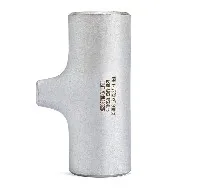
Hey there! As a supplier of butt weld tees, I've seen firsthand how corrosion can really mess up these important fittings. Corrosion not only shortens the lifespan of butt weld tees but also poses a risk to the entire piping system. So, I'm gonna share some practical tips on how to prevent corrosion in a butt weld tee.
Understanding the Enemy: What Causes Corrosion in Butt Weld Tees?
Before we dive into prevention methods, it's crucial to know what causes corrosion. There are several factors at play here.
One major culprit is the environment. If your butt weld tees are exposed to harsh chemicals, high humidity, or salty air (like in coastal areas), they're more likely to corrode. For example, in industrial settings where there are acidic or alkaline substances floating around, the metal in the tee can react with these chemicals and start to break down.
Another cause is improper material selection. Not all metals are created equal when it comes to corrosion resistance. Using a low - quality metal or one that's not suitable for the specific application can lead to early corrosion. For instance, if you use a plain carbon steel tee in a highly corrosive environment without any protective measures, it'll start to rust in no time.
Welding processes can also contribute to corrosion. If the welding is not done correctly, it can create areas of stress and unevenness in the tee. These areas are more prone to corrosion because they can trap moisture and chemicals, accelerating the corrosion process.
Choosing the Right Material
The first step in preventing corrosion is selecting the appropriate material for your butt weld tee. Stainless steel is a great choice in many cases.
316 Stainless Steel Pipe Tee is highly resistant to corrosion, especially in environments where there are chlorides present. It contains molybdenum, which gives it an extra boost of corrosion resistance compared to other stainless steels. So, if you're in a marine environment or an industrial setting with chloride - based chemicals, 316 stainless steel is your friend.
304 Stainless Steel Reducer Tee is also a popular option. It's less expensive than 316 and offers good general corrosion resistance. It's suitable for many common applications, such as plumbing in commercial and residential buildings.
Stainless Steel Tee Fittings in general are known for their durability and corrosion resistance. They form a passive oxide layer on the surface when exposed to oxygen, which protects the metal underneath from further corrosion.
Proper Surface Treatment
Once you've chosen the right material, the next step is to treat the surface of the butt weld tee properly.
One common method is passivation. This process involves removing free iron and other contaminants from the surface of the stainless steel tee. By doing this, it helps to restore and enhance the passive oxide layer, making the tee more resistant to corrosion. Passivation is usually done by dipping the tee in a nitric acid solution or using a citric acid - based passivation agent.


Another option is coating. You can apply a protective coating to the surface of the tee. There are different types of coatings available, such as epoxy coatings, polyurethane coatings, and zinc - based coatings. These coatings act as a barrier between the metal and the corrosive environment, preventing direct contact and thus reducing the risk of corrosion.
Correct Installation
Proper installation is key to preventing corrosion in butt weld tees.
First of all, make sure the welding is done correctly. Use a qualified welder who follows the proper welding procedures. The weld should be smooth and free of defects like cracks, porosity, or incomplete fusion. These defects can create areas where corrosion can start.
During installation, also ensure that the tee is properly aligned and supported. Misalignment can cause stress on the tee, which can lead to cracking and corrosion over time. Adequate support helps to distribute the weight evenly and prevents excessive movement that could damage the tee.
Regular Inspection and Maintenance
Even if you've taken all the preventive measures, it's still important to regularly inspect and maintain your butt weld tees.
Inspect the tees visually for any signs of corrosion, such as rust, discoloration, or pitting. Check the weld areas carefully as they are often more vulnerable. If you notice any early signs of corrosion, take immediate action to address it.
Clean the tees regularly to remove any dirt, debris, or chemicals that may have accumulated on the surface. This can help to prevent the build - up of corrosive substances and keep the tees in good condition.
Environmental Control
If possible, try to control the environment around the butt weld tees.
For example, if the tees are in an indoor environment, you can control the humidity levels. High humidity can accelerate corrosion, so using dehumidifiers can help to keep the air dry.
In industrial settings, proper ventilation is crucial. It helps to remove corrosive gases and fumes from the area, reducing the risk of corrosion on the tees.
Conclusion
Preventing corrosion in butt weld tees is all about a combination of choosing the right material, proper surface treatment, correct installation, regular inspection and maintenance, and environmental control. By following these steps, you can significantly extend the lifespan of your butt weld tees and ensure the safety and reliability of your piping system.
If you're in the market for high - quality butt weld tees or need more advice on corrosion prevention, don't hesitate to reach out. We're here to help you find the best solutions for your specific needs.
References
- ASM Handbook Volume 13A: Corrosion, American Society for Metals.
- Corrosion Basics: An Introduction, National Association of Corrosion Engineers (NACE).
- Handbook of Stainless Steels, McGraw - Hill Education.