Proper installation of steel pipe fittings is crucial for ensuring the efficiency, safety, and longevity of piping systems. As a trusted steel pipe fittings supplier, I've witnessed firsthand the importance of correct installation. In this blog, I'll share some valuable insights on how to install steel pipe fittings properly.
1. Preparation Before Installation
Before you start installing steel pipe fittings, thorough preparation is essential. This step sets the foundation for a successful installation.
- Inspect the Fittings: Carefully examine each steel pipe fitting for any signs of damage, such as cracks, dents, or corrosion. Even minor flaws can lead to leaks or system failures later on. For instance, a small crack in a Stainless Steel Reducer Tee could gradually expand under pressure, causing significant problems.
- Measure and Plan: Measure the length and diameter of the pipes accurately to ensure a proper fit. Plan the layout of the piping system, taking into account factors like flow direction, access for maintenance, and any potential obstacles. A well - planned installation will save time and prevent costly mistakes.
- Clean the Pipes and Fittings: Remove any dirt, debris, or rust from the pipes and fittings. This can be done using a wire brush or a pipe cleaning solution. Clean surfaces ensure a better seal and reduce the risk of blockages in the system.
2. Selecting the Right Joining Method
There are several methods for joining steel pipe fittings, and choosing the appropriate one depends on various factors such as the type of fitting, the application, and the operating conditions.
- Threaded Connections: Threaded connections are commonly used for small - diameter pipes. They are relatively easy to install and allow for disassembly if needed. To make a threaded connection, apply pipe thread sealant to the male threads of the fitting and then screw it onto the female threads of the pipe. Make sure to tighten the connection properly, but avoid over - tightening, which can damage the threads.
- Welded Connections: Welding provides a strong and permanent connection, making it suitable for high - pressure and high - temperature applications. However, welding requires specialized skills and equipment. Before welding, ensure that the pipes and fittings are properly aligned and tack - welded in place. Then, perform the full weld according to the appropriate welding procedure.
- Flanged Connections: Flanged connections are used when a leak - tight joint is required, especially in large - diameter pipes. Flanges are bolted together, and a gasket is placed between the flanges to create a seal. When installing flanged connections, make sure the flanges are parallel and the bolts are tightened evenly to prevent leaks.
3. Installation of Specific Fittings
Let's take a closer look at the installation of some common steel pipe fittings.


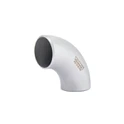
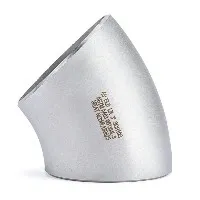
- Elbows: Elbows are used to change the direction of the pipe. When installing an elbow, ensure that it is oriented correctly according to the flow direction. For example, a 90 - degree elbow should be installed so that the flow changes smoothly without creating excessive turbulence.
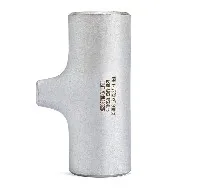
- Tees: Tees are used to branch off a pipe. Stainless Steel Tee Fittings are widely used in various applications. When installing a tee, make sure that the branch connection is properly aligned and sealed. The main pipe and the branch pipe should be at the correct angles to ensure efficient flow.
- Reducers: Reducers are used to connect pipes of different diameters. Stainless Steel Reducer Tee is a type of reducer that combines the functions of a tee and a reducer. When installing a reducer, ensure that the transition between the different diameters is smooth to avoid flow restrictions.
4. Pressure Testing
After the installation of the steel pipe fittings is complete, it is essential to perform a pressure test to check for leaks and ensure the integrity of the system.
- Fill the System with Fluid: Fill the piping system with water or another appropriate test fluid. Make sure all air is removed from the system to obtain accurate test results.
- Apply Pressure: Slowly increase the pressure in the system to the specified test pressure. This pressure should be higher than the normal operating pressure but within the design limits of the system.
- Inspect for Leaks: Carefully inspect all the connections and joints for any signs of leakage. Look for drips, puddles, or changes in pressure. If a leak is detected, immediately shut off the pressure and repair the problem before continuing the test.
5. Quality Assurance and Safety Measures
During the installation process, it is important to maintain high - quality standards and follow safety measures.
- Quality Control: Regularly inspect the installation work to ensure that it meets the relevant standards and specifications. This includes checking the alignment, the tightness of connections, and the overall appearance of the system.
- Safety Gear: Wear appropriate safety gear such as safety glasses, gloves, and hard hats. When welding or using other high - risk tools, follow all safety procedures to prevent accidents.
- Documentation: Keep detailed records of the installation, including the type of fittings used, the joining methods, and the results of the pressure test. This documentation is valuable for future maintenance and troubleshooting.
6. Maintenance and Troubleshooting
Proper maintenance of the steel pipe fittings is essential for the long - term performance of the piping system.
- Regular Inspections: Conduct regular inspections of the pipes and fittings to check for signs of wear, corrosion, or damage. Early detection of problems can prevent costly repairs and system failures.
- Lubrication and Protection: Apply lubricant to moving parts and protective coatings to prevent corrosion. This can extend the lifespan of the fittings and reduce the risk of leaks.
- Troubleshooting: If a problem occurs, such as a leak or a blockage, follow a systematic troubleshooting process. Check the connections, the valves, and the pipes for any signs of damage or malfunction.
In conclusion, installing steel pipe fittings properly requires careful planning, the right tools, and the appropriate skills. By following the steps outlined in this blog, you can ensure a successful installation that will provide reliable service for years to come. As a steel pipe fittings supplier, we are committed to providing high - quality products and technical support to help you with your installation needs. If you are interested in purchasing our steel pipe fittings or have any questions about installation, please feel free to contact us for a detailed discussion. We look forward to serving you and helping you achieve a safe and efficient piping system.
References
- "Handbook of Steel Pipe Fabrication"
- "Piping Engineering Handbook"
- Industry standards related to steel pipe fittings installation