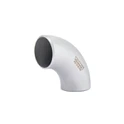
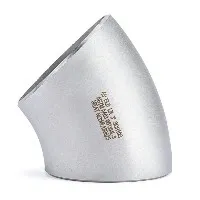
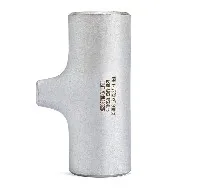
Installing a weld 90 degree elbow in a humid environment can be a challenging yet crucial task, especially when ensuring long - term durability and functionality. As a supplier of high - quality weld 90 degree elbows, I understand the intricacies involved in such installations and am here to guide you through the process.
Understanding the Challenges of a Humid Environment
Humidity poses several problems during the installation of a weld 90 degree elbow. Firstly, moisture in the air can lead to oxidation of the metal surfaces. Oxidation forms a layer of rust or scale on the elbow and the pipes it will be connected to, which can weaken the weld joint and reduce its integrity. Secondly, high humidity can cause moisture to accumulate on the welding area, leading to porosity in the weld. Porous welds are more prone to cracking and corrosion over time, which can compromise the entire piping system.
Preparation Before Installation
Material Selection
It is essential to choose the right type of weld 90 degree elbow for a humid environment. Stainless steel elbows are an excellent choice as they offer high corrosion resistance. Stainless Steel Elbows are made from alloys that contain chromium, which forms a passive oxide layer on the surface, protecting the metal from rust and corrosion. This layer self - repairs when damaged, ensuring long - term durability even in the presence of moisture.
Surface Preparation
Proper surface preparation is crucial to prevent oxidation and ensure a strong weld. Start by cleaning the surfaces of the elbow and the pipes to be joined. Use a wire brush to remove any loose rust, scale, or dirt. Then, degrease the surfaces using a suitable solvent. This will remove any oil or grease that could contaminate the weld. After cleaning, dry the surfaces thoroughly. In a humid environment, it may be necessary to use a heat gun or a drying agent to ensure that there is no moisture left on the metal.
Welding Equipment and Consumables
Select the appropriate welding equipment and consumables for the job. For stainless steel weld 90 degree elbows, TIG (Tungsten Inert Gas) or MIG (Metal Inert Gas) welding is commonly used. TIG welding provides precise control and produces high - quality welds, while MIG welding is faster and more suitable for larger projects. Ensure that the welding machine is in good working condition and that the electrodes or filler wires are compatible with the stainless steel alloy of the elbow.
Installation Process
Positioning
Position the weld 90 degree elbow at the desired location in the piping system. Use clamps or fixtures to hold the elbow in place securely. Make sure that the alignment is correct and that there is no gap between the elbow and the pipes. A proper fit is essential for a strong and leak - free weld.
Welding
Before starting the welding process, preheat the metal if necessary. Preheating helps to reduce the cooling rate of the weld, which can prevent cracking. In a humid environment, it is especially important to maintain a consistent temperature during welding.
When welding, start at one end of the joint and move slowly and steadily along the circumference of the elbow. Use a back - and - forth or circular motion to ensure even heat distribution. Keep the welding arc short and maintain a consistent travel speed. This will help to produce a uniform and strong weld.


After completing the first pass of welding, inspect the weld for any defects such as porosity, cracks, or incomplete fusion. If any defects are found, use a grinder to remove the defective area and re - weld it.
Post - Weld Treatment
Once the welding is complete, allow the weld to cool slowly. Rapid cooling can cause stress in the weld, leading to cracking. After cooling, clean the weld area to remove any slag or spatter. You can use a wire brush or a grinder for this purpose.
Apply a protective coating to the weld and the surrounding area. A coating can provide an additional layer of protection against corrosion in a humid environment. There are various types of coatings available, such as epoxy coatings or zinc - rich paints. Choose a coating that is suitable for the specific application and the environment.
Quality Control
After installation, conduct a thorough quality control check. Inspect the weld visually for any signs of defects. You can also use non - destructive testing methods such as ultrasonic testing or dye penetrant testing to detect any internal defects in the weld. Pressure testing is another important step. Apply a specified pressure to the piping system and check for any leaks. If any leaks are found, repair them immediately.
Maintenance in a Humid Environment
Regular maintenance is essential to ensure the long - term performance of the weld 90 degree elbow in a humid environment. Inspect the elbow and the weld area periodically for signs of corrosion or damage. If any corrosion is detected, clean the affected area and apply a new protective coating.
Monitor the humidity levels in the environment. If the humidity is consistently high, consider installing a dehumidifier in the area where the piping system is located. This can help to reduce the moisture content in the air and prevent corrosion.
Conclusion
Installing a weld 90 degree elbow in a humid environment requires careful planning, proper preparation, and strict quality control. By choosing the right materials, following the correct installation procedures, and conducting regular maintenance, you can ensure a long - lasting and reliable piping system.
As a supplier of weldable 90 elbow and Buttweld Elbow, we are committed to providing high - quality products and professional advice. If you are in need of weld 90 degree elbows or have any questions about their installation, please feel free to contact us for further discussion and procurement. We look forward to working with you to meet your piping system needs.
References
- ASME B31.3 Process Piping Code
- AWS D1.6 Structural Welding Code - Stainless Steel
- Corrosion Resistance of Stainless Steels, ASM International