Ensuring the proper alignment of a 45-degree steel elbow during installation is crucial for the overall performance and longevity of a piping system. As a trusted 45-degree steel elbow supplier, I understand the challenges and intricacies involved in this process. In this blog post, I will share some valuable insights and practical tips on how to ensure the accurate alignment of a 45-degree steel elbow during installation.
Understanding the Basics of 45-Degree Steel Elbows
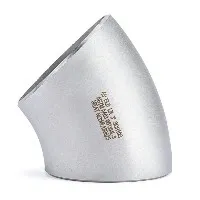
Before delving into the alignment process, it's essential to have a clear understanding of what a 45-degree steel elbow is and its applications. A 45-degree steel elbow is a piping component that changes the direction of a pipeline by 45 degrees. It is commonly used in various industries, including oil and gas, chemical, and water treatment, to connect pipes at a specific angle.
45-degree steel elbows are available in different materials, such as carbon steel, stainless steel, and alloy steel, to suit different operating conditions and requirements. They are typically manufactured using seamless or welded processes and come in various sizes and schedules to accommodate different pipe diameters and wall thicknesses.
Importance of Proper Alignment
Proper alignment of a 45-degree steel elbow is essential for several reasons. Firstly, it ensures the smooth flow of fluids or gases through the pipeline, minimizing pressure drops and reducing the risk of flow disturbances. Secondly, it helps to prevent excessive stress and strain on the elbow and other piping components, which can lead to premature failure and costly repairs. Thirdly, it ensures the overall integrity and safety of the piping system, reducing the risk of leaks and other hazards.
Pre-Installation Preparation
Before installing a 45-degree steel elbow, it's important to take the following pre-installation steps to ensure proper alignment:
- Inspect the Elbow: Thoroughly inspect the 45-degree steel elbow for any signs of damage, such as cracks, dents, or corrosion. Ensure that the elbow meets the required specifications and standards.
- Clean the Pipes: Clean the ends of the pipes that will be connected to the elbow to remove any dirt, debris, or rust. This will ensure a proper fit and prevent contamination of the pipeline.
- Mark the Alignment: Use a measuring tape or a laser level to mark the centerline of the pipes and the elbow. This will help to ensure that the elbow is installed at the correct angle and position.
- Prepare the Welding Equipment: If the elbow is to be welded to the pipes, ensure that the welding equipment is in good working condition and that the correct welding electrodes or filler materials are used.
Alignment Techniques
There are several techniques that can be used to ensure the proper alignment of a 45-degree steel elbow during installation. The choice of technique depends on the specific requirements of the project and the available tools and equipment. Here are some common alignment techniques:
- Visual Inspection: This is the simplest and most basic alignment technique. It involves visually checking the alignment of the elbow and the pipes using a straightedge or a level. While this technique is relatively quick and easy, it may not be as accurate as other methods.
- Measuring Tools: Measuring tools, such as a measuring tape, a caliper, or a micrometer, can be used to measure the dimensions of the elbow and the pipes and to ensure that they are within the required tolerances. This technique is more accurate than visual inspection but may require more time and effort.
- Laser Alignment: Laser alignment is a highly accurate and efficient alignment technique that uses a laser beam to measure the alignment of the elbow and the pipes. This technique is particularly useful for large-scale projects or for applications where high precision is required.
- Fixture Alignment: Fixture alignment involves using a custom-made fixture or a jig to hold the elbow and the pipes in place during installation. This technique is highly accurate and ensures consistent alignment, but it may require more time and resources to set up.
Welding and Joining
Once the 45-degree steel elbow is properly aligned, it can be welded or joined to the pipes using the appropriate method. The choice of welding or joining method depends on the specific requirements of the project and the type of materials being used. Here are some common welding and joining methods:


- Butt Welding: Butt welding is the most common method of joining a 45-degree steel elbow to the pipes. It involves welding the ends of the elbow and the pipes together using a welding machine. Butt welding provides a strong and durable joint but requires skilled welders and proper welding techniques.
- Socket Welding: Socket welding is a method of joining a 45-degree steel elbow to the pipes by inserting the end of the elbow into a socket in the pipe and welding around the joint. This method is suitable for small-diameter pipes and provides a relatively quick and easy installation.
- Threaded Connection: Threaded connection involves using threaded fittings to connect the 45-degree steel elbow to the pipes. This method is suitable for low-pressure applications and provides a relatively easy and quick installation. However, it may not be as strong or durable as welding.
Quality Control
After the 45-degree steel elbow is installed and welded or joined to the pipes, it's important to perform a quality control check to ensure that the alignment is correct and that the joint is strong and durable. Here are some quality control checks that can be performed:
- Visual Inspection: Visually inspect the joint for any signs of cracks, porosity, or other defects. Ensure that the weld bead is smooth and uniform and that there are no gaps or overlaps.
- Non-Destructive Testing (NDT): NDT techniques, such as ultrasonic testing, radiographic testing, or magnetic particle testing, can be used to detect any internal defects in the joint. This technique is particularly useful for high-pressure or critical applications.
- Pressure Testing: Pressure testing involves subjecting the pipeline to a specified pressure to check for leaks or other defects. This technique is essential for ensuring the integrity and safety of the piping system.
Conclusion
Ensuring the proper alignment of a 45-degree steel elbow during installation is crucial for the overall performance and longevity of a piping system. By following the pre-installation preparation steps, using the appropriate alignment techniques, and performing quality control checks, you can ensure that the elbow is installed at the correct angle and position and that the joint is strong and durable.
As a 45-degree steel elbow supplier, I am committed to providing high-quality products and excellent customer service. If you have any questions or need further information about 45-degree steel elbows or their installation, please feel free to contact me. I would be happy to assist you with your project.
References
- ASME B16.9 - Factory-Made Wrought Steel Buttwelding Fittings
- API 5L - Specification for Line Pipe
- AWS D1.1 - Structural Welding Code - Steel
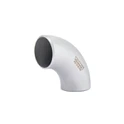
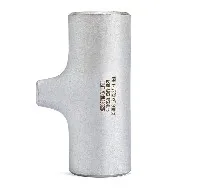
If you are interested in purchasing high-quality 45-degree steel elbows or other related products such as Butt Weld Reducer Tee, Steel Pipe 90 Degree Elbow, and 90 Degree Weldable Elbows, please don't hesitate to reach out for a detailed discussion on your specific requirements. Our team is ready to offer professional advice and support to ensure you get the best solutions for your projects.