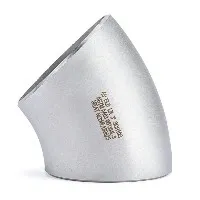
As a supplier of buttweld elbows, I often encounter inquiries about the environmental implications of using these essential pipe fittings. In this blog post, I'll delve into the key environmental considerations associated with buttweld elbows, exploring aspects such as material selection, manufacturing processes, and end-of-life management.
Material Selection
The choice of material for buttweld elbows significantly impacts their environmental footprint. One of the most popular materials is stainless steel, which offers numerous environmental benefits. Stainless steel is highly durable and corrosion-resistant, meaning that buttweld elbows made from this material have a long service life. This longevity reduces the need for frequent replacements, thereby minimizing waste generation.
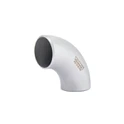
For instance, SS Elbow 90 Degree Stainless Steel Elbow is a common type of buttweld elbow made from stainless steel. Its resistance to rust and corrosion ensures that it can withstand harsh environmental conditions without deteriorating quickly. This not only saves resources but also reduces the environmental impact associated with the production and disposal of new fittings.
Stainless steel is also a recyclable material. At the end of its useful life, stainless steel buttweld elbows can be recycled and used to manufacture new products. Recycling stainless steel requires less energy compared to producing new stainless steel from raw materials. According to industry data, recycling stainless steel can save up to 75% of the energy needed for primary production. This energy savings translates into a significant reduction in greenhouse gas emissions, contributing to a more sustainable environment.
In addition to stainless steel, other materials such as carbon steel and alloy steel are also used for buttweld elbows. However, these materials may have different environmental characteristics. Carbon steel, for example, is more prone to corrosion than stainless steel, which may lead to shorter service lives and more frequent replacements. On the other hand, alloy steel may contain elements that are more difficult to recycle, increasing the environmental challenges associated with its disposal.
Manufacturing Processes
The manufacturing processes used to produce buttweld elbows also have environmental implications. Traditional manufacturing methods often involve high energy consumption and the generation of waste products. For example, casting and forging processes require large amounts of heat energy to melt and shape the metal. This energy consumption contributes to greenhouse gas emissions and can have a significant impact on the environment.
However, modern manufacturing technologies are being developed to reduce the environmental impact of buttweld elbow production. One such technology is precision machining, which uses computer-controlled machines to cut and shape the metal with high accuracy. Precision machining reduces material waste by minimizing the amount of excess material that needs to be removed during the manufacturing process. It also requires less energy compared to traditional casting and forging methods.
Another important aspect of manufacturing is the use of environmentally friendly lubricants and coolants. During the machining process, lubricants and coolants are used to reduce friction and heat, which helps to improve the quality of the finished product. However, many traditional lubricants and coolants contain harmful chemicals that can be released into the environment. To address this issue, manufacturers are increasingly using biodegradable and non-toxic lubricants and coolants. These environmentally friendly alternatives not only reduce the environmental impact but also improve the health and safety of workers.
End-of-Life Management
Proper end-of-life management of buttweld elbows is crucial for minimizing their environmental impact. As mentioned earlier, stainless steel buttweld elbows can be recycled at the end of their useful life. Recycling not only conserves resources but also reduces the environmental burden associated with waste disposal.
To ensure effective recycling, it is important to have a well-established recycling infrastructure. This includes collection systems, sorting facilities, and recycling plants. In many regions, there are already recycling programs in place for metal products, including buttweld elbows. However, it is still necessary to raise awareness among consumers and businesses about the importance of recycling and to encourage them to participate in these programs.
In some cases, buttweld elbows may not be suitable for recycling due to damage or contamination. In these situations, proper disposal methods must be followed to prevent environmental pollution. For example, if a buttweld elbow contains hazardous substances such as lead or mercury, it must be disposed of in accordance with local environmental regulations. This may involve special treatment or disposal at a hazardous waste facility.
Environmental Certifications and Standards
To demonstrate their commitment to environmental sustainability, many buttweld elbow suppliers are obtaining environmental certifications and complying with relevant standards. For example, the ISO 14001 standard is an internationally recognized environmental management system that helps organizations to identify, manage, and reduce their environmental impact. By obtaining ISO 14001 certification, a buttweld elbow supplier can show that it has implemented effective environmental management practices throughout its operations.


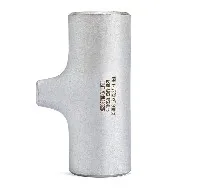
In addition to ISO 14001, there are other industry-specific standards and certifications that focus on the environmental performance of buttweld elbows. For example, the Stainless Steel Butt Weld Pipe Fittings may be subject to standards that specify the use of sustainable materials, energy-efficient manufacturing processes, and proper end-of-life management. By complying with these standards, suppliers can ensure that their products meet the highest environmental standards.
Conclusion
In conclusion, there are several important environmental considerations when using buttweld elbows. Material selection, manufacturing processes, and end-of-life management all play a crucial role in determining the environmental impact of these fittings. By choosing materials such as stainless steel, adopting modern manufacturing technologies, and implementing proper end-of-life management practices, we can reduce the environmental footprint of buttweld elbows and contribute to a more sustainable future.
As a supplier of buttweld elbows, I am committed to providing high-quality products that are not only reliable and efficient but also environmentally friendly. Our Stainless Steel 90 Degree Elbow is a prime example of our dedication to sustainability. Made from recyclable stainless steel and manufactured using advanced processes, our elbows offer a long service life and minimal environmental impact.
If you are interested in learning more about our buttweld elbows or have any questions regarding their environmental performance, please feel free to contact us. We look forward to discussing your specific requirements and providing you with the best solutions for your projects.
References
- "The Environmental Benefits of Stainless Steel." Stainless Steel World Americas.
- "Energy Savings in Stainless Steel Recycling." International Stainless Steel Forum.
- "ISO 14001:2015 Environmental Management Systems - Requirements with Guidance for Use." International Organization for Standardization.