As a supplier of stainless steel tees, I've encountered numerous challenges related to corrosion over the years. Corrosion can significantly impact the performance and lifespan of stainless steel tees, which are widely used in various industries such as plumbing, chemical processing, and food and beverage. In this blog, I'll share some effective ways to deal with corrosion on stainless steel tees based on my practical experience.
Understanding the Causes of Corrosion on Stainless Steel Tees
Before we can effectively address corrosion, it's essential to understand what causes it. Stainless steel is known for its corrosion - resistance due to the presence of chromium, which forms a passive oxide layer on the surface. However, several factors can break down this protective layer and lead to corrosion.
One common cause is exposure to harsh chemicals. In industries like chemical processing, stainless steel tees may come into contact with acids, alkalis, or salts. These substances can react with the surface of the stainless steel, causing the passive layer to dissolve. For example, chloride ions are particularly aggressive and can cause pitting corrosion, which appears as small holes on the surface of the tee.
Another factor is environmental conditions. High humidity, especially in coastal areas where the air contains salt particles, can accelerate corrosion. Additionally, temperature variations can also affect the integrity of the passive layer. Extreme heat or cold can cause the stainless steel to expand or contract, potentially cracking the protective layer and exposing the underlying metal to corrosion.
Preventive Measures Against Corrosion
As a supplier, I always emphasize the importance of preventive measures to my customers. Here are some steps that can be taken to prevent corrosion on stainless steel tees:
Proper Selection of Stainless Steel Grade
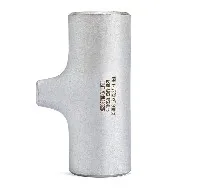
Not all stainless steel grades have the same level of corrosion resistance. For applications in highly corrosive environments, I often recommend using grades like 316 stainless steel. 316 Stainless Steel Pipe Tee contains molybdenum, which enhances its resistance to pitting and crevice corrosion, making it suitable for use in chemical processing plants, marine environments, and food processing facilities.


Surface Treatment
Surface treatment can significantly improve the corrosion resistance of stainless steel tees. One common method is passivation. This process involves treating the stainless steel with an acid solution to remove free iron and other contaminants from the surface, and then promoting the formation of a thicker and more stable passive layer. Another option is electropolishing, which not only improves the surface finish but also enhances the corrosion resistance by creating a smoother surface that is less likely to trap corrosive substances.
Protective Coatings
Applying a protective coating can provide an additional barrier against corrosion. There are various types of coatings available, such as epoxy coatings, which are resistant to chemicals and abrasion. These coatings can be applied to the surface of the stainless steel tee during the manufacturing process or on - site after installation. However, it's important to ensure that the coating is compatible with the stainless steel and the operating environment.
Proper Installation and Maintenance
Correct installation is crucial to prevent corrosion. Make sure that the stainless steel tee is installed in a clean environment, free from dirt, grease, and other contaminants. Avoid using tools that can scratch the surface of the tee, as these scratches can compromise the passive layer. Regular maintenance is also essential. Inspect the tees periodically for signs of corrosion, and clean them regularly to remove any dirt or debris that could potentially cause corrosion.
Dealing with Existing Corrosion
Despite taking preventive measures, corrosion may still occur on stainless steel tees. When this happens, it's important to address it promptly to prevent further damage.
Surface Cleaning
The first step in dealing with corrosion is to clean the surface of the tee. Use a mild detergent and a soft brush to remove any loose rust or debris. Avoid using abrasive cleaners or steel wool, as these can scratch the surface and make the corrosion worse. After cleaning, rinse the tee thoroughly with clean water and dry it with a soft cloth.
Corrosion Removal
For minor corrosion, such as surface rust, you can use a stainless steel cleaner or a mixture of vinegar and water. Apply the cleaner to the affected area and let it sit for a few minutes. Then, use a soft brush to gently scrub the area until the rust is removed. Rinse the tee again with clean water and dry it.
For more severe corrosion, such as pitting or crevice corrosion, more aggressive methods may be required. One option is to use a chemical rust remover specifically designed for stainless steel. However, it's important to follow the manufacturer's instructions carefully and wear appropriate protective gear when using these chemicals. Another option is mechanical removal, such as sanding or grinding. This method should be used with caution, as it can also damage the surface of the tee if not done correctly.
Repair and Replacement
If the corrosion is extensive and has significantly weakened the tee, it may need to be repaired or replaced. For minor damage, welding or brazing can be used to repair the affected area. However, this should only be done by a qualified professional, as improper welding can cause further corrosion. In cases where the damage is too severe, it's best to replace the tee with a new one to ensure the safety and reliability of the system.
Conclusion
Corrosion is a common problem that can affect the performance and lifespan of stainless steel tees. As a supplier, I'm committed to helping my customers prevent and deal with corrosion effectively. By understanding the causes of corrosion, taking preventive measures, and knowing how to address existing corrosion, we can ensure that stainless steel tees continue to perform well in various applications.
If you're facing corrosion issues with your stainless steel tees or are looking for high - quality stainless steel tees with excellent corrosion resistance, I encourage you to reach out to us. We offer a wide range of Stainless Steel Reducer Tee and Stainless Steel Reducer Tee products that are designed to meet your specific needs. Contact us today to discuss your requirements and explore how we can provide the best solutions for your projects.
References
- ASM Handbook Volume 13A: Corrosion: Fundamentals, Testing, and Protection. ASM International.
- Stainless Steel: A Guide to Selection and Application. The Nickel Institute.