Hey there! As a supplier of stainless 90 degree elbows, I often get asked about the differences in corrosion resistance among different grades. Well, let's dive right into it and explore this topic in detail.
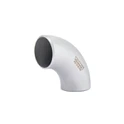
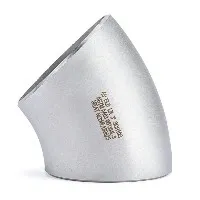
First off, what exactly are stainless 90 degree elbows? They're those handy pipe fittings that change the direction of a pipeline by 90 degrees. You can find them in all sorts of industries, from plumbing to chemical processing, because they're super useful for making those necessary turns in a piping system.
Now, when it comes to stainless steel, there are different grades, and each grade has its own unique properties, especially when it comes to corrosion resistance. Let's start with the most common grades you'll come across: 304 and 316.
Grade 304 stainless steel is like the workhorse of the stainless steel world. It's widely used because it's relatively inexpensive and offers good general corrosion resistance. It contains about 18% chromium and 8% nickel, which form a protective oxide layer on the surface of the metal. This oxide layer acts as a shield, preventing the underlying metal from reacting with oxygen and other corrosive substances in the environment.
But here's the thing: 304 isn't invincible. In environments where there's a lot of salt, like near the ocean or in some industrial settings with high chloride levels, 304 can start to show signs of corrosion. The chloride ions can break down the protective oxide layer, leaving the metal vulnerable to pitting and crevice corrosion.
That's where grade 316 comes in. 316 stainless steel is similar to 304, but it has an extra ingredient: molybdenum. This addition of molybdenum gives 316 significantly better resistance to chloride-induced corrosion. So, if you're installing stainless 90 degree elbows in a coastal area or a chemical plant where chloride exposure is high, 316 is the way to go.
Another grade that's worth mentioning is 321. 321 stainless steel contains titanium, which helps to stabilize the metal during welding and high-temperature applications. It has good corrosion resistance, similar to 304, but it's especially resistant to intergranular corrosion, which can occur when the metal is heated and cooled during welding. So, if you're doing a lot of welding on your stainless 90 degree elbows, 321 might be a good choice.
Now, let's talk about how these differences in corrosion resistance can affect your choice of stainless 90 degree elbows. If you're working on a project in a relatively mild environment, like a residential plumbing system or an indoor industrial facility with low levels of corrosive substances, 304 elbows will probably do the job just fine. They're cost-effective and widely available. You can check out our Stainless Steel Bends Elbows for a range of 304 options.
But if you're in a more challenging environment, like a marine or chemical processing plant, you'll want to invest in 316 elbows. They might cost a bit more upfront, but they'll save you money in the long run by reducing the need for frequent replacements due to corrosion. Our 90 Degree Weldable Elbows come in both 304 and 316 grades, so you can choose the one that's right for your project.
And if you're doing a lot of welding, don't forget about 321. It's a great option for ensuring the long-term integrity of your piping system. You can find our 90 Degree Steel Tube Elbow in 321 grade as well.


It's also important to note that the manufacturing process can have an impact on the corrosion resistance of stainless 90 degree elbows. For example, proper heat treatment and surface finishing can enhance the protective oxide layer and improve the overall corrosion resistance of the elbows. At our company, we take great care in the manufacturing process to ensure that our elbows meet the highest standards of quality and corrosion resistance.
In addition to choosing the right grade of stainless steel, you also need to consider other factors when it comes to corrosion prevention. For example, proper installation and maintenance are crucial. Make sure the elbows are installed correctly, with no gaps or misalignments that could allow corrosive substances to penetrate the metal. And regularly inspect your piping system for any signs of corrosion, and take action immediately if you notice any issues.
So, to sum it up, there are definitely differences in the corrosion resistance of different grades of stainless 90 degree elbows. The choice of grade depends on the environment in which the elbows will be used, as well as the specific requirements of your project. By understanding these differences and making an informed decision, you can ensure the long-term performance and durability of your piping system.
If you're in the market for stainless 90 degree elbows and have any questions about which grade is right for you, don't hesitate to reach out. We're here to help you make the best choice for your project. Whether you need 304, 316, or 321 elbows, we've got you covered. Contact us today to discuss your requirements and get a quote.
References:
- ASM Handbook, Volume 13A: Corrosion: Fundamentals, Testing, and Protection
- Stainless Steel World Magazine
- Various industry standards and specifications for stainless steel products