Hey there! I'm a supplier of SS pipe fittings, and today I wanna chat about the quality standards for these nifty products. As someone who's been in the business for a while, I've seen firsthand how important it is to have high - quality SS pipe fittings in various industries, from construction to manufacturing.
First off, let's talk about the material. Stainless steel, or SS as we call it, is a go - to choice for pipe fittings because of its corrosion resistance, durability, and strength. But not all stainless steel is created equal. The most common grades for pipe fittings are 304 and 316.
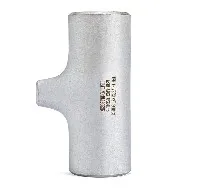
304 stainless steel is a versatile and widely used grade. It contains around 18% chromium and 8% nickel, which gives it good corrosion resistance in many environments. For example, it can handle mild corrosive substances like water and some acids. If you're looking for a 304 Stainless Steel Reducer Tee, you can check out this link: 304 Stainless Steel Reducer Tee.
On the other hand, 316 stainless steel is even more corrosion - resistant. It has a higher nickel content and also contains molybdenum, which makes it suitable for more aggressive environments, such as those with saltwater or certain chemicals. If you need a 316 Stainless Steel Pipe Tee, here's the link: 316 Stainless Steel Pipe Tee.


The chemical composition of the stainless steel is a key quality standard. It should meet the requirements of relevant industry standards, like ASTM (American Society for Testing and Materials). These standards specify the exact percentages of elements like chromium, nickel, and carbon in the stainless steel. A proper chemical composition ensures that the pipe fittings have the right properties, such as corrosion resistance and strength.
Next up is the mechanical properties. SS pipe fittings need to be strong enough to withstand the pressure and stress they'll be under in their application. Tensile strength, yield strength, and elongation are important factors. Tensile strength is the maximum amount of stress a material can handle before breaking. Yield strength is the stress at which the material starts to deform permanently. Elongation measures how much the material can stretch before it breaks. Industry standards set minimum values for these properties to ensure the reliability of the pipe fittings.
The manufacturing process also plays a huge role in the quality of SS pipe fittings. Forging is a common method. It involves shaping the metal by applying pressure, which can improve the density and strength of the material. Casting is another option, where molten metal is poured into a mold. However, forging generally results in better - quality fittings because it aligns the grain structure of the metal in a favorable way.
Surface finish is another aspect of quality. A smooth surface finish not only looks good but also has practical benefits. It reduces the risk of corrosion by preventing the accumulation of dirt and moisture. It also makes the pipe fittings easier to clean and maintain. The surface finish should be free of defects like cracks, pits, and scratches.
Dimensional accuracy is crucial. SS pipe fittings need to have the right size and shape to fit properly into the piping system. Even a small deviation in dimensions can lead to leaks or improper connections. Standards define the acceptable tolerances for dimensions such as diameter, wall thickness, and length. For example, if a pipe fitting is supposed to have a certain inner diameter, it should be within a specified range of that value.
Testing is an essential part of ensuring the quality of SS pipe fittings. Non - destructive testing methods, like ultrasonic testing and magnetic particle testing, can detect internal and surface defects without damaging the fittings. Pressure testing is also common. It involves subjecting the pipe fittings to a specified pressure to check for leaks or failures. Only fittings that pass these tests should be considered high - quality.
When it comes to quality control, it's not just about the final product. It starts from the raw material stage. The supplier should source high - quality stainless steel from reliable vendors. Throughout the manufacturing process, there should be regular inspections and checks to catch any issues early on.
In addition to these technical aspects, the reputation of the supplier matters a lot. A good supplier will have a track record of providing high - quality products and excellent customer service. They'll be able to offer technical support and answer any questions you might have about the SS pipe fittings.
If you're in the market for SS pipe fittings, you might be interested in a Stainless Steel Reducer Tee. You can find more information about it here: Stainless Steel Reducer Tee.
Whether you're a contractor working on a construction project or a manufacturer in need of reliable pipe fittings for your production line, choosing high - quality SS pipe fittings is a must. It can save you a lot of headaches in the long run by preventing costly repairs and downtime.
So, if you're looking for top - notch SS pipe fittings that meet all the quality standards I've talked about, don't hesitate to get in touch. We're here to provide you with the best products and help you find the right solutions for your needs. Whether you need a specific grade of stainless steel or a particular type of fitting, we've got you covered. Reach out to us to start a conversation about your requirements and let's work together to get the job done right.
References
- ASTM International standards for stainless steel pipe fittings
- Industry handbooks on stainless steel materials and manufacturing processes