When it comes to pipe fittings, there are numerous types available in the market, each with its unique characteristics and applications. As a trusted supplier of Stainless Steel Stub Ends, I often encounter questions regarding the differences between stainless steel stub ends and other types of pipe fittings. In this blog post, I will delve into these differences to provide a comprehensive understanding for those involved in piping systems.
1. Structural Design
Stainless Steel Stub Ends
Stainless steel stub ends are essentially short pieces of pipe with a beveled end. They are designed to be welded to a pipe and then mated with a lap joint flange. This design allows for easy installation and removal, making them ideal for applications where frequent disassembly for inspection or maintenance is required. The beveled end is crucial as it provides a proper joint preparation for welding, ensuring a strong and leak - tight connection.
Other Pipe Fittings
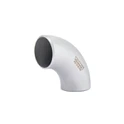
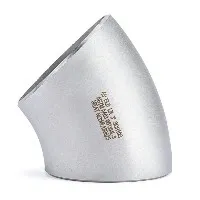
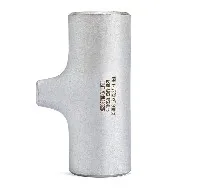
Other pipe fittings such as elbows, tees, and reducers have different structural designs. For example, 316 Stainless Steel Pipe Tee is a three - way fitting used to connect pipes at a 90 - degree or 45 - degree angle. It has three openings, allowing the flow of fluid or gas to be diverted in multiple directions. Stainless Steel Tee serves a similar purpose but may be made from different grades of stainless steel. A 304 Stainless Steel Reducer Tee is a type of tee that also reduces the pipe diameter at one of its outlets, which is useful for adjusting the flow rate and pressure in a piping system.
2. Material and Corrosion Resistance
Stainless Steel Stub Ends
As the name suggests, stainless steel stub ends are made from stainless steel, which is known for its excellent corrosion resistance. Stainless steel contains chromium, which forms a passive oxide layer on the surface of the material. This layer protects the underlying metal from corrosion, even in harsh environments such as those with high humidity, chemicals, or saltwater. Different grades of stainless steel, such as 304 and 316, offer varying levels of corrosion resistance. For example, 316 stainless steel has a higher molybdenum content, making it more resistant to pitting and crevice corrosion in chloride - rich environments.
Other Pipe Fittings
Other pipe fittings can be made from a variety of materials, including carbon steel, brass, and plastic. Carbon steel is strong and relatively inexpensive but has poor corrosion resistance compared to stainless steel. It is often coated or galvanized to protect it from rusting. Brass is a good choice for applications where low - level corrosion resistance and good machinability are required. Plastic pipe fittings, such as PVC or CPVC, are lightweight, easy to install, and resistant to many chemicals. However, they may not be suitable for high - temperature or high - pressure applications.
3. Installation and Maintenance
Stainless Steel Stub Ends
The installation of stainless steel stub ends is relatively straightforward. They are first welded to the pipe, and then a lap joint flange is placed over the stub end. The flange is then bolted to another flange or equipment. This method of installation allows for easy alignment and adjustment, reducing the time and effort required for installation. In terms of maintenance, stainless steel stub ends are durable and require minimal upkeep. If a problem occurs, the lap joint flange can be easily removed, and the stub end can be inspected or replaced without having to cut the pipe.
Other Pipe Fittings
The installation of other pipe fittings can be more complex, depending on their type and application. For example, elbows and tees may need to be precisely aligned during installation to ensure proper flow of fluid or gas. Some fittings may require special tools or techniques for installation, such as threading or brazing. Maintenance of these fittings also varies. Carbon steel fittings may need to be regularly inspected for corrosion and repainted or recoated if necessary. Plastic fittings may need to be checked for cracks or leaks, especially in high - stress areas.
4. Cost
Stainless Steel Stub Ends
The cost of stainless steel stub ends is influenced by several factors, including the grade of stainless steel, the size of the fitting, and the manufacturing process. Generally, stainless steel is more expensive than carbon steel but offers better long - term value due to its corrosion resistance and durability. The initial investment in stainless steel stub ends may be higher, but they can reduce maintenance costs and downtime over the life of the piping system.
Other Pipe Fittings
The cost of other pipe fittings also varies widely depending on the material and design. Carbon steel fittings are usually the most affordable, followed by brass and plastic fittings. However, the total cost of ownership should also take into account factors such as installation, maintenance, and replacement costs. For example, although plastic pipe fittings are inexpensive upfront, they may need to be replaced more frequently in high - stress applications.
5. Application
Stainless Steel Stub Ends
Stainless steel stub ends are commonly used in industries where corrosion resistance, easy installation, and disassembly are important. They are widely used in the chemical, food and beverage, pharmaceutical, and marine industries. In the chemical industry, they are used to connect pipes carrying corrosive chemicals. In the food and beverage industry, they are used to ensure a hygienic and leak - free connection in piping systems.
Other Pipe Fittings
Other pipe fittings are used in a variety of applications based on their design and function. Elbows are used to change the direction of the pipe, while tees are used to split or combine the flow. Reducers are used to adjust the pipe diameter and flow rate. These fittings are used in almost every industry that uses piping systems, including oil and gas, water treatment, and HVAC.


In conclusion, stainless steel stub ends have distinct differences from other types of pipe fittings in terms of structural design, material, installation, cost, and application. Understanding these differences is crucial for selecting the right pipe fittings for your specific needs. If you are in the market for high - quality stainless steel stub ends or other pipe fittings, I invite you to contact me for more information and to discuss your procurement requirements. Whether you need a small quantity for a maintenance project or a large order for a new construction, I can provide you with the best solutions at competitive prices.
References
- ASME B16.9 - Factory - Made Wrought Steel Buttwelding Fittings
- ASTM A403 - Standard Specification for Wrought Austenitic Stainless Steel Piping Fittings
- Pipe Fittings Handbook by O.P. Khanna