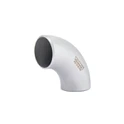
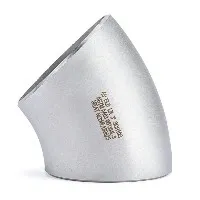
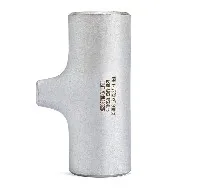
Storage requirements for a butt weld reducer tee are crucial to maintain its quality and performance over time. As a supplier of butt weld reducer tees, I understand the significance of proper storage to ensure that these essential pipe fittings reach our customers in optimal condition. In this blog post, I will delve into the key storage requirements for butt weld reducer tees, covering aspects such as environmental conditions, handling, and protection.
Environmental Conditions
The first and foremost consideration when storing butt weld reducer tees is the environmental conditions. These fittings are typically made from materials such as stainless steel, carbon steel, or alloy steel, each with its own set of characteristics and susceptibility to corrosion and damage. Therefore, it is essential to store them in a clean, dry, and well-ventilated area to prevent rusting, oxidation, and other forms of deterioration.
- Temperature: The ideal storage temperature for butt weld reducer tees is between 10°C and 30°C (50°F and 86°F). Extreme temperatures can cause the material to expand or contract, leading to stress and potential damage. Avoid storing the fittings in areas exposed to direct sunlight or near heat sources, as this can accelerate the aging process and compromise their integrity.
- Humidity: High humidity levels can promote the growth of rust and corrosion on the surface of the fittings. To prevent this, maintain the relative humidity in the storage area below 60%. If necessary, use dehumidifiers or moisture-absorbing materials to control the humidity levels. Additionally, avoid storing the tees in areas prone to water leakage or flooding, as this can cause severe damage.
- Ventilation: Proper ventilation is essential to remove moisture and prevent the accumulation of harmful gases and fumes in the storage area. Ensure that the storage facility has adequate ventilation systems, such as exhaust fans or vents, to maintain a fresh and dry environment. This will help to prolong the lifespan of the butt weld reducer tees and prevent the development of mold and mildew.
Handling and Protection
In addition to environmental conditions, proper handling and protection are also crucial when storing butt weld reducer tees. These fittings are often heavy and bulky, making them susceptible to damage during transportation and storage. Therefore, it is important to follow the recommended handling procedures and use appropriate protective measures to prevent scratches, dents, and other forms of physical damage.


- Lifting and Moving: When lifting and moving butt weld reducer tees, use appropriate lifting equipment, such as cranes, forklifts, or hoists, to ensure safe and efficient handling. Avoid using sharp or abrasive tools that can scratch or damage the surface of the fittings. Additionally, ensure that the lifting equipment is properly maintained and inspected regularly to prevent accidents and injuries.
- Stacking and Storage: Butt weld reducer tees should be stacked and stored in a stable and secure manner to prevent them from toppling over or falling. Use pallets, racks, or shelves to organize the fittings and keep them off the ground. When stacking the tees, ensure that they are aligned properly and that the weight is evenly distributed to prevent deformation or damage. Additionally, avoid stacking the fittings too high, as this can increase the risk of instability and collapse.
- Protection: To protect the surface of the butt weld reducer tees from scratches, dents, and other forms of physical damage, use protective materials, such as plastic caps, sleeves, or wrapping. These materials can help to prevent the fittings from coming into contact with each other or with other objects during storage and transportation. Additionally, apply a protective coating or paint to the surface of the tees to prevent rust and corrosion.
Packaging
Proper packaging is another important aspect of storing butt weld reducer tees. The packaging should be designed to protect the fittings from damage during transportation and storage, while also providing easy access for inspection and handling. When packaging the tees, use high-quality materials, such as cardboard boxes, wooden crates, or plastic containers, that are strong enough to withstand the weight and size of the fittings.
- Inner Packaging: The inner packaging of the butt weld reducer tees should be designed to provide additional protection against scratches, dents, and other forms of physical damage. Use foam inserts, bubble wrap, or other cushioning materials to fill the gaps between the fittings and the packaging. This will help to absorb shock and prevent the fittings from moving around during transportation and storage.
- Outer Packaging: The outer packaging of the tees should be labeled clearly with the product name, size, quantity, and other relevant information. This will help to ensure that the fittings are easily identifiable and that they are stored in the correct location. Additionally, the outer packaging should be sealed tightly to prevent moisture and dust from entering the package.
- Shipping Marks: When shipping the butt weld reducer tees, use appropriate shipping marks, such as arrows, handling instructions, and warning labels, to indicate the correct orientation and handling requirements of the fittings. This will help to ensure that the tees are handled properly during transportation and that they arrive at their destination in good condition.
Inspection and Maintenance
Regular inspection and maintenance are essential to ensure that the butt weld reducer tees are stored in optimal condition. During the inspection, check the fittings for any signs of damage, such as scratches, dents, rust, or corrosion. If any damage is detected, take appropriate measures to repair or replace the affected fittings to prevent further deterioration.
- Visual Inspection: Conduct a visual inspection of the butt weld reducer tees on a regular basis to check for any signs of damage or deterioration. Look for scratches, dents, rust, or corrosion on the surface of the fittings, as well as any signs of deformation or misalignment. If any damage is detected, mark the affected area and take appropriate measures to repair or replace the fitting.
- Functional Inspection: In addition to visual inspection, also conduct a functional inspection of the tees to ensure that they are working properly. Check the threads, flanges, and other components of the fittings for any signs of wear or damage. If any problems are detected, take appropriate measures to repair or replace the affected parts to ensure that the tees are functioning correctly.
- Maintenance: Regular maintenance is essential to keep the butt weld reducer tees in good condition. This includes cleaning the fittings regularly to remove dirt, dust, and other contaminants, as well as lubricating the moving parts to prevent wear and tear. Additionally, inspect the storage area regularly to ensure that the environmental conditions are within the recommended range and that the fittings are stored in a safe and secure manner.
Conclusion
In conclusion, proper storage is essential to maintain the quality and performance of butt weld reducer tees. By following the recommended storage requirements, including environmental conditions, handling, protection, packaging, inspection, and maintenance, you can ensure that these essential pipe fittings reach your customers in optimal condition. As a supplier of butt weld reducer tees, I am committed to providing high-quality products that meet the needs of our customers. If you have any questions or need further information about the storage requirements for butt weld reducer tees, please feel free to contact us. We will be happy to assist you.
If you are interested in purchasing Stainless Steel Tee, Stainless Steel Reducer Tee, or Stainless Steel Tee Fittings, please reach out to us. Our team is ready to discuss your specific requirements and provide you with the best solutions. We look forward to the opportunity to work with you and contribute to the success of your projects.
References
- ASME B16.9 - Factory-Made Wrought Buttwelding Fittings
- ASTM A403 - Standard Specification for Wrought Austenitic Stainless Steel Piping Fittings
- ISO 15590-1 - Petroleum and natural gas industries -- Pipeline transportation systems -- Steel pipes for use in pipeline transportation systems -- Part 1: Technical delivery conditions for seamless and welded pipes