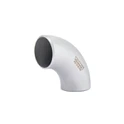
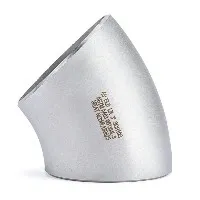
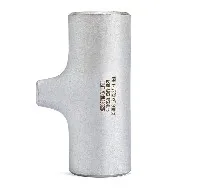
Hey there! As a supplier of stainless steel tees, I often get asked if these nifty fittings can be used in geothermal systems. Well, let's dive right into it and find out.
First off, let's talk a bit about what geothermal systems are. Geothermal systems are a pretty cool (pun intended) way to heat and cool buildings. They use the stable temperature of the earth to transfer heat, which is way more energy - efficient than traditional heating and cooling methods. These systems typically consist of a network of pipes buried underground, a heat pump, and some other components. The pipes are a crucial part of the system, as they circulate a fluid (usually a mixture of water and antifreeze) that absorbs or releases heat from the ground.
Now, let's get to the main question: Can stainless steel tees be used in geothermal systems? The short answer is yes, and there are quite a few reasons for that.


Corrosion Resistance
One of the most important factors in any geothermal system is corrosion resistance. The pipes in a geothermal system are buried underground, and they're constantly in contact with soil, water, and sometimes even chemicals. Stainless steel is known for its excellent corrosion resistance. It contains chromium, which forms a thin, passive oxide layer on the surface of the metal. This layer protects the steel from rusting and corroding, even in harsh environments.
For example, in areas where the soil is acidic or has a high salt content, regular carbon steel pipes would corrode pretty quickly. But stainless steel tees can withstand these conditions for a long time. This means less maintenance and a longer lifespan for your geothermal system. If you're interested in a great option, check out our 304 Stainless Steel Reducer Tee. It's made of 304 stainless steel, which is a popular choice for many applications due to its good corrosion resistance and affordability.
Strength and Durability
Stainless steel is also very strong and durable. Geothermal systems operate under pressure, and the pipes need to be able to handle that pressure without leaking or bursting. Stainless steel tees have high tensile strength, which means they can withstand a lot of stress. They're also resistant to impact and vibration, which is important since the pipes are buried underground and may be subject to movement from the soil or nearby construction.
Our Stainless Steel Reducer Tee is designed to meet these high - strength requirements. It can be used in various parts of the geothermal system, such as where the pipe size needs to be changed to ensure proper fluid flow.
Compatibility with Fluid
The fluid used in geothermal systems is usually a mixture of water and antifreeze. Stainless steel is compatible with this type of fluid. It doesn't react with the water or the antifreeze, which means there's no risk of contamination. This is important because any contamination in the fluid could reduce the efficiency of the heat transfer or even damage the heat pump.
Temperature Resistance
Geothermal systems operate at different temperatures depending on the season and the location. Stainless steel can handle a wide range of temperatures. It doesn't expand or contract too much with temperature changes, which helps to maintain the integrity of the pipe connections. Our 316 Stainless Steel Pipe Tee is especially good for applications where higher temperature resistance is required. 316 stainless steel has a higher molybdenum content than 304, which gives it better resistance to corrosion in high - temperature and high - chloride environments.
Installation and Maintenance
Installing stainless steel tees in a geothermal system is relatively straightforward. They can be welded or connected using other methods like threaded connections. Welding stainless steel requires some skill, but once it's done correctly, it creates a strong and leak - proof joint.
Maintenance of stainless steel tees is also easy. As I mentioned earlier, they're corrosion - resistant, so you don't have to worry about rusting or pitting. You just need to check the connections periodically to make sure they're tight and there are no leaks.
Cost - Effectiveness in the Long Run
Sure, stainless steel tees may cost a bit more upfront compared to some other materials like PVC or copper. But when you consider the long - term benefits, they're actually very cost - effective. Since they have a long lifespan and require less maintenance, you'll save money on replacement and repair costs over time.
In conclusion, stainless steel tees are a great choice for geothermal systems. They offer excellent corrosion resistance, strength, durability, compatibility with the fluid, temperature resistance, and are easy to install and maintain. If you're planning to install or upgrade a geothermal system, I highly recommend considering stainless steel tees.
If you're interested in purchasing stainless steel tees for your geothermal system, don't hesitate to reach out for a quote. We're here to help you find the right products for your specific needs.
References
- ASHRAE Handbook: HVAC Systems and Equipment. This handbook provides comprehensive information on various HVAC systems, including geothermal systems.
- Stainless Steel World Magazine. It has a lot of articles on the properties and applications of stainless steel.