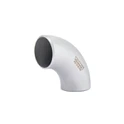
Hey there! As a supplier of Weld 90 Degree Elbows, I often get asked if these elbows can be used for ventilation pipelines. Well, let's dive right into this topic and find out.
First off, let's understand what a Weld 90 Degree Elbow is. It's a pipe fitting that changes the direction of a pipeline by 90 degrees. These elbows are typically made by welding and come in various materials like stainless steel, carbon steel, etc. They're widely used in different industries for different purposes, but can they be a good fit for ventilation pipelines?
Advantages of Using Weld 90 Degree Elbows in Ventilation Pipelines
1. Space - Saving
In ventilation systems, space can be a real constraint. Weld 90 Degree Elbows allow for a sharp turn in the pipeline, which is great when you need to navigate around obstacles or fit the ventilation system into a tight space. For example, in a commercial building where there are lots of structural beams and other equipment, these elbows can help the ventilation pipes make the necessary turns without taking up too much extra room.
2. Structural Integrity
Welded 90 Degree Elbows offer good structural strength. In a ventilation system, the pipes need to be able to withstand the pressure of the air flowing through them. The welding process ensures a strong connection between the elbow and the pipeline, reducing the risk of leaks or breaks. This is especially important in large - scale ventilation systems where any failure could lead to inefficient air circulation and potential safety hazards.
3. Customization
As a supplier, I can tell you that we can customize Weld 90 Degree Elbows to meet the specific requirements of a ventilation project. Different ventilation systems may have different pipe diameters, wall thicknesses, and material needs. We can produce elbows that match these specifications precisely, ensuring a perfect fit for the ventilation pipeline.


Potential Drawbacks
1. Pressure Drop
One of the main concerns when using Weld 90 Degree Elbows in ventilation pipelines is the potential for pressure drop. When air flows through a 90 - degree turn, it experiences a change in direction, which can cause turbulence and a reduction in pressure. This means that the ventilation system may need to work harder to maintain the desired air flow rate. In some cases, this could lead to increased energy consumption as the fans have to operate at a higher power to compensate for the pressure loss.
2. Noise Generation
The turbulence created by the air flowing through the 90 - degree elbow can also result in noise generation. This can be a problem, especially in environments where noise levels need to be kept low, such as hospitals, libraries, or offices. Excessive noise from the ventilation system can be a distraction and may even affect the comfort and productivity of the people in the building.
Mitigating the Drawbacks
1. Using Smooth - Bore Elbows
To reduce the pressure drop and noise, we can offer smooth - bore Weld 90 Degree Elbows. These elbows have a smooth interior surface, which allows the air to flow more smoothly around the turn. By minimizing the turbulence, we can significantly reduce the pressure drop and noise levels in the ventilation system.
2. Proper Design and Placement
Proper design and placement of the elbows in the ventilation pipeline can also help mitigate the drawbacks. For example, we can use multiple smaller - radius elbows instead of a single 90 - degree elbow in some cases. This can help to gradually change the direction of the air flow, reducing the sudden change in direction and thus minimizing the pressure drop and noise.
Comparison with Other Elbow Options
1. 304 Buttweld Elbow And Stainless Steel Seamless Elbow
304 Buttweld Elbows and stainless steel seamless elbows are also commonly used in ventilation pipelines. The main advantage of these elbows is their corrosion resistance, which is especially important in environments where the air may contain moisture or corrosive substances. However, they may be more expensive than Weld 90 Degree Elbows, and the seamless construction may not always be necessary for all ventilation applications.
2. 90 Degree Steel Tube Elbow
90 Degree Steel Tube Elbows are similar to Weld 90 Degree Elbows in terms of function. However, the manufacturing process and the specific properties of the steel may vary. Some steel tube elbows may be more suitable for high - temperature ventilation applications, while our Weld 90 Degree Elbows can be made from a variety of materials to meet different needs.
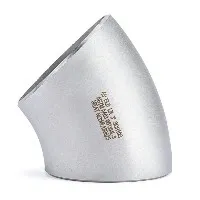
3. 45 Degree Steel Elbow
45 Degree Steel Elbows can be used as an alternative to 90 - degree elbows in some ventilation systems. They cause less pressure drop and noise compared to 90 - degree elbows because the change in air flow direction is more gradual. However, they may require more space to install, and in some cases, multiple 45 - degree elbows may be needed to achieve the same turn as a single 90 - degree elbow.
Conclusion
So, can a Weld 90 Degree Elbow be used for ventilation pipelines? The answer is yes, but with some considerations. They offer many advantages such as space - saving, structural integrity, and customization options. However, we need to be aware of the potential drawbacks like pressure drop and noise generation and take steps to mitigate them.
If you're working on a ventilation project and are considering using Weld 90 Degree Elbows, I'd love to have a chat with you. We can discuss your specific requirements, the best solutions for your project, and how we can provide high - quality elbows that meet your needs. Whether it's a small - scale residential ventilation system or a large - scale commercial project, we have the expertise and the products to help you out. So, don't hesitate to reach out and start the conversation about your ventilation pipeline needs.
References
- ASHRAE Handbook - HVAC Systems and Equipment. American Society of Heating, Refrigerating and Air - Conditioning Engineers.
- Pipe Fittings Handbook: Engineering Data and Guidelines. McGraw - Hill Professional.